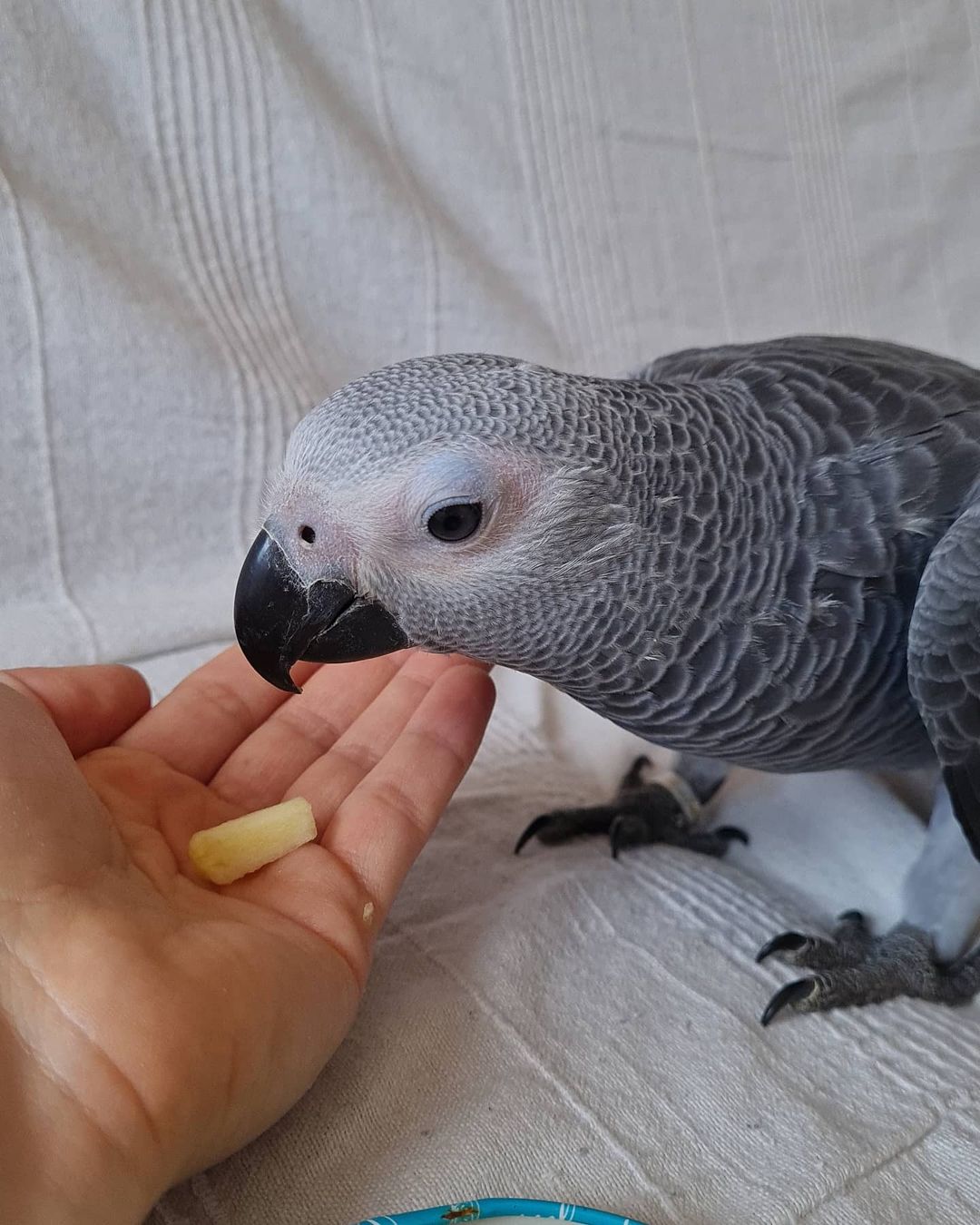
Honest Buyer's Guide · Who Should (and Shouldn't) · Midland, TX
Is an African Grey a Good Pet for Beginners? An Honest 2026 Guide
African Greys are amazing — but they're not easy. Here's the honest answer, who actually succeeds as a first-time owner, easier alternatives, and a readiness check to run before you spend a cent.
Written by Mark & Teri Benjamin · C.A.Gs African Grey breeders, Midland TX · USDA-licensed since 2014
Success is about patience and preparation — not prior bird experience.
40–60
Year commitment
3–4 hrs
Daily interaction
USDA
Licensed since 2014
Lifetime
Breeder support
Think you might be ready?
Tell us about your home and routine and we'll give you an honest read on whether a Grey fits — and support you if it does. No pressure.
✓ USDA AWA Licensed✓ CITES Appendix I✓ DNA Sexed✓ Avian Vet Certified✓ Ships Nationwide
On This Page
The honest answer
Quick Answer: Are African Greys Good for Beginners?
African Greys are usually not ideal for beginners, because they need advanced mental stimulation, daily interaction, training and a 40–60 year commitment. But a highly dedicated, well-prepared first-time owner can succeed — especially starting with a Timneh. If you're honestly asking the question, you're already ahead of the owners who get into trouble by not asking at all.
Beginner fitLow–moderate (with prep)
Care difficultyHigh
Daily time3–4 hours
Commitment40–60 years
Why Are African Greys Challenging for Beginners?
Greys aren't more fragile than other parrots — they're more demanding. The traits that make them extraordinary companions are exactly the ones that overwhelm an under-prepared first-timer. Here's the honest breakdown.
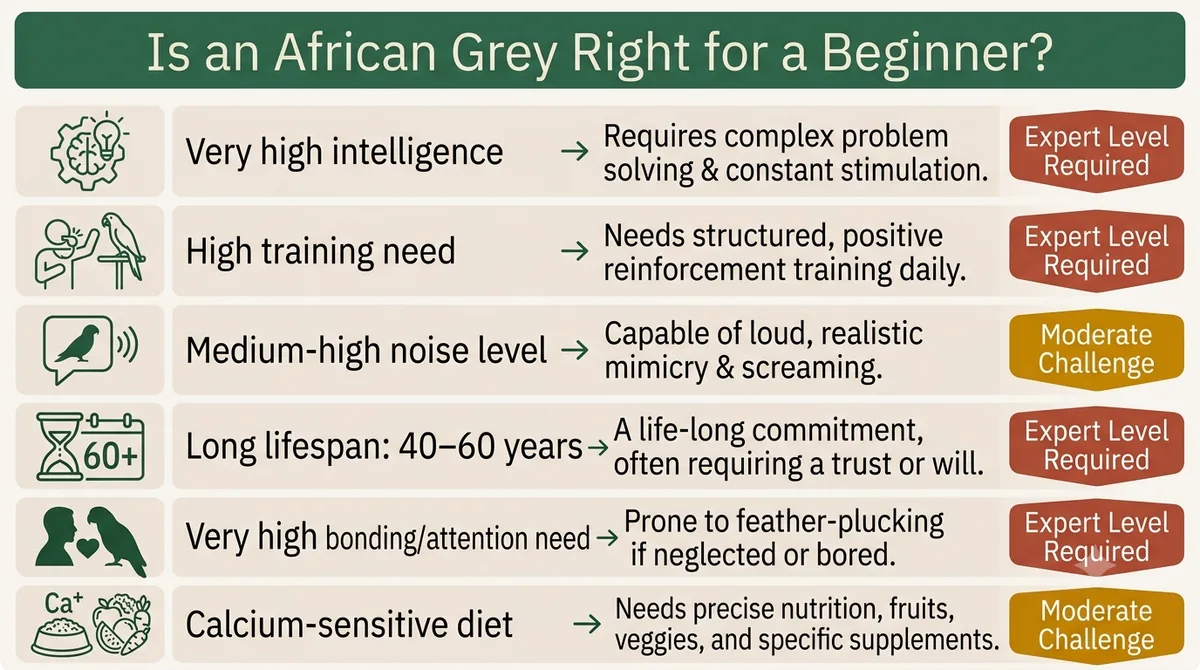
The honest scorecard — most ownership factors sit in the 'hard' column.
Ownership factor
African Grey
Beginner-friendly?
Intelligence
Very high
Hard — needs constant enrichment
Training need
High
Hard — a daily commitment
Noise level
Medium–high
Moderate
Lifespan
40–60+ years
Hard — may outlive you
Bonding / attention need
Very high
Hard — hours every day
Diet management
Calcium-sensitive
Moderate — needs active management
Breeder verdict: Read down the right-hand column: most of what makes a Grey special also makes it hard for a beginner. None of it is a dealbreaker for a prepared owner — but pretending it's an 'easy' bird is how first-timers get hurt.
Extreme Intelligence and Mental Demands
As Dr. Irene Pepperberg’s Alex studies ↗ established, an African Grey has the cognitive ability of roughly a five-year-old child, and a mind that sharp needs constant work. This is the trait competitors most understate: a Grey isn't a decorative bird, it's the kind of problem-solving mind researchers study ↗ that will find its own (destructive) entertainment if you don't provide it.
What "Cognitively Demanding" Means Day to Day
In practice it means rotating foraging toys, teaching new things, and genuinely interacting — not just topping up a food bowl. A Grey that's mentally bored becomes a Grey that screams and plucks — a pattern the World Parrot Trust’s Grey profile ↗ ties directly to unmet enrichment needs — and that decline can happen within weeks of a routine going stale.
The daily interaction and enrichment load
Plan on 3–4 hours of daily engagement plus out-of-cage time — every day, not just when it's new and exciting. If that sounds like a lot, it is; it's the single biggest reason casual buyers fail, and the honest bar you should measure your own life against.
Breeder note: the number-one thing new owners underestimate
It isn't the price, the noise or the mess — it's the sheer daily mental engagement a Grey needs, forever. The owners who struggle almost always tell us the same thing: "I didn't realise it needed this much of me, every single day." Believe that before you buy, not after.
Emotional Sensitivity
Greys are famously sensitive. They bond deeply, read your moods, and stress over changes a hardier bird wouldn't notice — a new work schedule, a moved cage, a tense household. That sensitivity is part of their magic, but it means they're unforgiving of the inconsistency that comes naturally to a first-time owner still finding their feet.
A 40–60 Year Commitment
This is the fact most beginners nod past and shouldn't. As the Cornell Birds of the World profile ↗ records, a Grey can share four to six decades of your life — outlasting jobs, moves, and relationships.
Planning for a Bird That May Outlive You
A Grey bought in your thirties may still be here in your eighties, or beyond. That's not a reason to say no — it's a reason to plan honestly for the bird's whole life, not just the exciting first year.
Who inherits the bird?
It sounds morbid, but it's kindness: knowing who would take your Grey if you couldn't is part of responsible ownership for a bird this long-lived. A settled answer here is a green flag that you're thinking at the right timescale.
Breeder note: the question we ask every first-time buyer
We ask everyone, gently: "In forty years, who's this bird's person?" Not to scare anyone off, but because the buyers who have an answer are exactly the ones who go on to give a Grey a wonderful, stable life.
Noise and Mess (the Honest Version)
Greys are moderate, not silent — expect whistles, mimicry, chatter and the occasional piercing call, plus the feather dust and scattered food that come with any parrot. It's manageable in a normal home and quieter than a macaw or cockatoo, but anyone expecting a tidy, low-noise pet should know the reality up front.
Why Do Some First-Time Owners Succeed?
Plenty of first-time owners do beautifully with a Grey — and the ones who do share a pattern that has nothing to do with prior bird experience.
They Research Deeply Before Buying
The successful first-timers arrive knowing more than many experienced owners. They've read the hard parts (like this page), not just the cute videos, and they buy with clear eyes.
They Commit Real Daily Time
They build the bird into their daily life rather than fitting it around a busy schedule. The Grey gets its hours because those hours were planned for before the bird ever arrived.
They Genuinely Enjoy Training
They're drawn to the relationship and the mental challenge, not just the novelty of a talking bird. That enjoyment is what carries them through the plateaus — and a Grey rewards it richly. Our training guide is where committed beginners start.
Who Should NOT Get an African Grey (Yet)?
Honesty cuts both ways. If you're one of these right now, a Grey isn't the right bird today — and saying so protects both you and the bird.
Busy Professionals Who Are Out All Day
A bird alone in a quiet house for ten hours is a recipe for screaming and plucking. If your days are long and unpredictable, this isn't the time for a Grey.
Frequent Travellers
Greys need consistency and their person. A life of frequent trips and rotating bird-sitters is stressful for a bird this bonded and routine-driven.
Impulse Buyers
If you're drawn in by a talking-parrot video and want one this week, please wait. The Greys that end up rehomed are almost always impulse purchases; the ones that thrive were decided on slowly.
Who Might Actually Be a Good Fit?
On the other hand, some first-time owners are quietly perfect for a Grey — often more so than a jaded veteran.
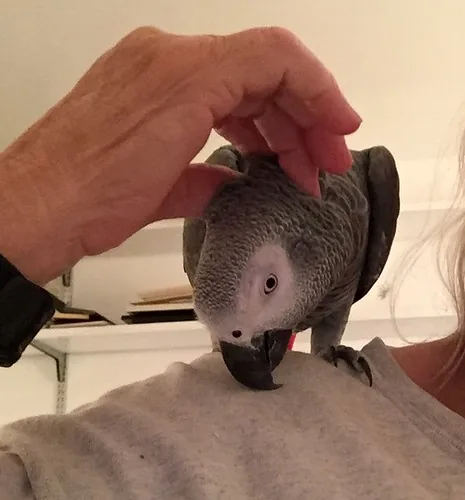
Prepared beginners thrive with a well-raised, documented Grey.
Remote Workers and Homebodies
If you're home most of the day and enjoy company, you can give a Grey the near-constant presence it craves — one of the strongest predictors of success.
Dedicated Learners and Bird Enthusiasts
If you love learning a new skill deeply and you're patient with slow progress, a Grey will meet you all the way. Enthusiasm plus patience beats raw experience every time.
The Owner Personality That Thrives With a Grey
The pattern we see isn't "experienced" — it's calm, consistent and curious. Someone who likes routine, doesn't rattle easily, and treats setbacks as puzzles rather than failures.
Patience, routine and consistency
These three traits carry a Grey owner further than any prior parrot résumé. A predictable daily rhythm makes a sensitive bird feel safe, and a patient owner rides out the inevitable tantrums without escalating them.
Breeder note: success is about temperament, not experience
We've watched nervous first-timers outperform seasoned keepers, again and again. What they had wasn't experience — it was the temperament to be consistent and patient. If that's you, don't let "beginner" talk you out of a bird you're actually well-suited to.
Are You Ready for an African Grey?
Here's the honest self-check. Read the readiness list, then follow the decision paths — and trust your gut on which line sounds most like your real life, not your best intentions.
You're likely ready if you can honestly say yes to all five:
✔You can give 3–4 hours of interaction every day, for years — not just at first
✔You're ready for a 40–60 year commitment and have thought about who inherits the bird
✔You genuinely enjoy training and problem-solving, not just the talking novelty
✔Your home is stable, with a fairly consistent daily routine and no very young children underfoot
✔You've found an avian vet and budgeted for quality food, a stainless cage and ongoing care
A "no" on any of these isn't a permanent verdict — it's a "not yet." Most can be fixed with time, routine or a smaller starter bird first.
Should You Get an African Grey as Your First Bird?
Yes to all: 3–4 hours daily, a 40–60 year commitment, and you genuinely enjoy training
You're the prepared kind of owner who succeeds with a Grey. Consider starting with a Timneh for a slightly gentler curve, line up an avian vet first, and reach out — we support first-time buyers closely.
Yes to the commitment, but you're unsure about the daily time
Be honest about the hours. A Grey needs several hours of interaction every day, for decades. If your schedule can't reliably give that yet, wait until it can — or start with an easier species below.
You love the idea, but you're out of the house all day
This isn't the right time for a Grey. A bird left alone all day tends to pluck and scream. Consider a more independent starter species now, and revisit a Grey when your routine allows daily interaction.
You want a talking bird, but on a lighter commitment
A Grey may be more than you're looking for. A budgie or cockatiel can talk and is far more forgiving — see the alternatives below. If it's the Grey's mind you want, build up with a smaller species first.
What Are the Best Beginner Parrot Alternatives?
If the honest answer for you right now is "not yet," that's a good decision, not a failure — and there are wonderful starter parrots that will teach you the ropes. Here are the ones we'd point a first-timer toward.
Starter species
Beginner fit
Why it's easier
Cockatiel
Excellent
Gentle, affectionate, forgiving of mistakes; can whistle and talk a little
Budgerigar (budgie)
Excellent
Small, hardy, social, low cost — and surprisingly good talkers
Green-cheeked conure
Very good
Big personality, playful, quieter than most conures
Timneh African Grey
If you're set on a Grey
The more adaptable, earlier-maturing Grey — still a serious commitment
Breeder verdict: Any of these makes a more forgiving first bird than a Grey. Spend a couple of years with one and you'll step up to an African Grey far better prepared — and if you're set on a Grey now, a Timneh is the gentler starting point.
Cockatiel
The classic first parrot: gentle, affectionate, forgiving of beginner mistakes, and capable of whistling and a little talking. Long-lived enough to be a real companion (15–20+ years) without a Grey's decades-long weight.
Budgerigar (Budgie)
Small, hardy, social and inexpensive — and, surprisingly, among the best talkers in the bird world, with some learning dozens of words. An outstanding, low-pressure way to learn parrot care.
Green-Cheeked Conure
Playful, full of personality and quieter than most conures, the green-cheek is a step up in engagement from a budgie while staying beginner-manageable — a great bridge toward a bigger parrot.
If You Still Want a Grey: Start With a Timneh
The Timneh — smaller, earlier to mature, and the most beginner-tolerant Grey.
Set on a Grey regardless? Choose a Timneh. It matures earlier, tends to be less emotionally reactive, and adapts more readily than a Congo — the most beginner-tolerant way into the species. Our species comparisons can help you weigh it against other birds first.
How Do You Prepare Before Buying an African Grey?
If you've read this far and you're still nodding, here's how to set yourself — and your future Grey — up to succeed. Do these before the bird comes home, not after.
Cage and Environment Setup
The right cage and a safe room are day-one decisions, not afterthoughts.
The Minimum Setup Before a Grey Comes Home
You'll want the cage, perches, foraging toys, a diet plan and safe lighting all in place before arrival, so the bird lands in a settled, ready environment rather than a work-in-progress.
A settled, bird-proofed space — ready before the Grey ever lands in it.
Cage size and safe materials
Go as large as you can, in stainless steel (never galvanised, to avoid the heavy-metal toxicity ↗ avian vets warn about), with varied natural perches. Our cage-setup guide covers dimensions, bar spacing and placement in detail.
Breeder note: the setup we start every chick on
Our chicks begin in a clean, stainless environment on a pelleted, calcium-aware diet with proper lighting — so the closer your setup matches that from day one, the smoother your Grey's transition into your home.
Diet and Calcium Plan
Sort the diet before you buy: a quality formulated pellet as the base, fresh vegetables and calcium-rich greens (kept clear of the foods that are toxic to birds ↗), and UV-B lighting so the bird can use that calcium. Getting this right from the start prevents the deficiencies covered in our health-problems guide.
Training Commitment
Short daily sessions and supervised free play — the habit that makes the difference.
Decide honestly that you'll do short, positive daily sessions — step-up, recall, target training — because a trained Grey is a happy, well-adjusted one. This is a habit to commit to, not a weekend project.
Lifestyle and Budget Factors
Beyond time, a Grey is a real financial commitment — and being clear-eyed about the numbers now prevents strain later.
Monthly cost estimate
Budget for quality food, replacement toys (they're destroyed, by design), and an annual avian-vet exam plus an emergency fund. The price guide breaks down the real first-year and ongoing costs.
Breeder note: the realistic first-year budget
Between the bird, a proper cage, initial vet work and setup, the true first year runs well beyond the sticker price. We'd rather you plan for that honestly than be caught short — a well-funded first year is one of the quiet markers of an owner who'll go the distance.
Finding an Avian Vet First
Use the Association of Avian Veterinarians directory ↗ to locate a qualified avian vet before you bring a bird home — not during an emergency, when the nearest bird-treating clinic may be hours away. It's the single most overlooked preparation step, and one of the most important.
See Our Hand-Raised African Greys (for Prepared Beginners)
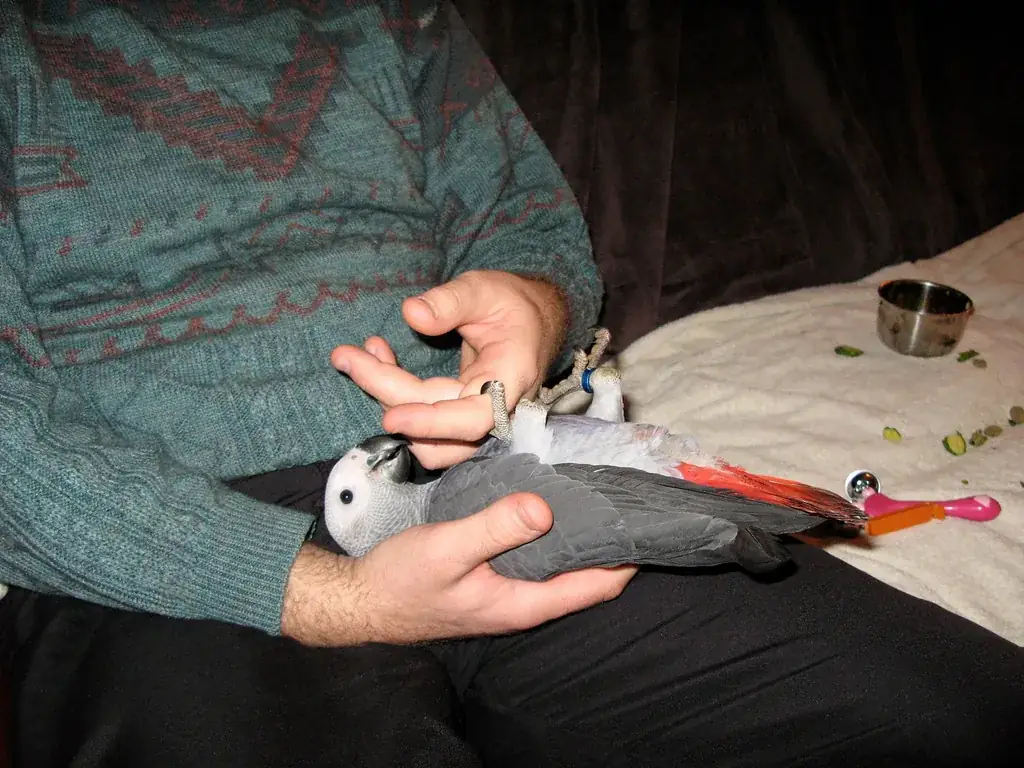
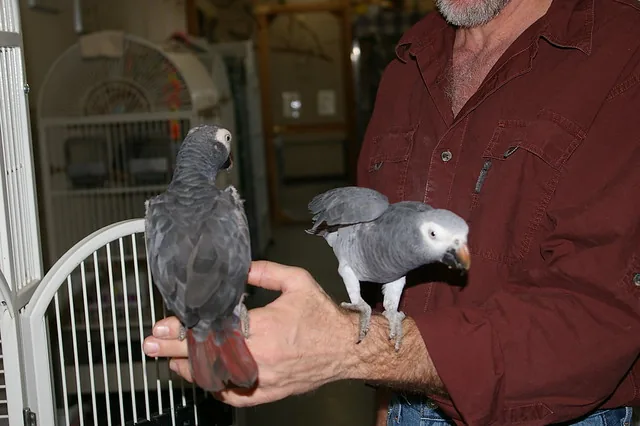
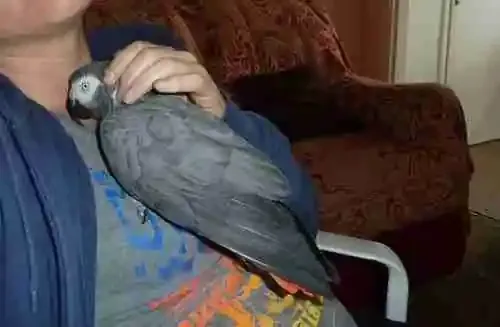
If you've read the hard parts and you're ready, a well-raised, hand-fed Grey is the best possible start for a first-time owner. Every C.A.Gs Grey is PCR DNA-sexed, vet-checked and CITES-documented, and we stay reachable for the life of the bird — because a prepared beginner plus a well-raised Grey is a partnership that works.
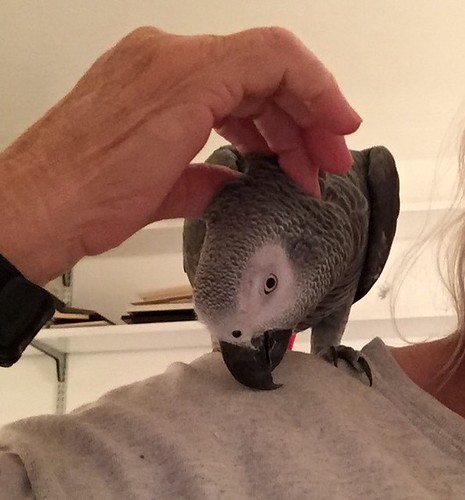
New Arrival Midland, TX
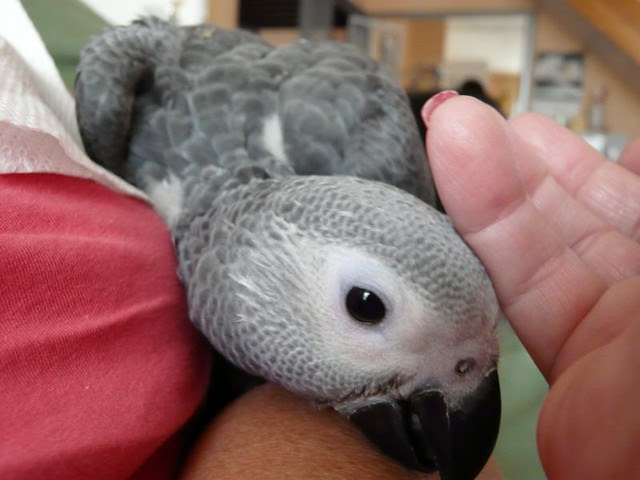
Amie
Female · 3 mo · Congo African Grey
"Hand-raised, fully documented, ready to reserve."
Premium hand-raised female, 3 months old. PCR DNA-sexed, vet-checked, CITES-documented — captive-bred in the USA with the full paper trail.
— Written by Mark & Teri Benjamin, the breeders behind C.A.Gs · USDA-licensed African Grey aviary, Midland, TX
Is an African Grey Good for Beginners? Frequently Asked Questions
Is an African Grey good for a first-time bird owner?
Usually not — but not never. African Greys are emotionally complex, sensitive to routine changes, and need 3–4 hours of daily interaction, which most first-timers underestimate. That said, a genuinely committed, well-researched first-time owner with a stable home can succeed, especially starting with a Timneh. If you're honestly weighing the question, that carefulness is itself a good sign.
What makes African Greys hard for beginners?
Three things above all: extreme intelligence (they need constant mental stimulation or they develop behavioural problems), emotional sensitivity (they read and react to household stress), and the 40–60 year commitment. Add a calcium-sensitive diet that needs active management, and you have a bird that punishes a casual, under-prepared owner.
Which African Grey is better for beginners, a Congo or a Timneh?
If you're set on a Grey as a first bird, choose a Timneh. Timnehs mature faster, are generally less emotionally reactive, and adapt more readily to new environments than Congos. They're still a serious commitment and not an 'easy' bird — but the margin for a beginner's mistakes is a little wider.
What parrot should a beginner get instead of an African Grey?
Great starter parrots include the cockatiel, budgerigar (budgie) and green-cheeked conure — all more forgiving of a new owner's learning curve, more resilient to routine changes, and less prone to serious behavioural fallout. After two or three years with a smaller species, you'll be far better prepared for an African Grey.
Are African Greys hard to keep?
They're demanding rather than fragile. Kept correctly — a balanced diet with calcium and UV-B, a safe stainless cage, daily interaction and enrichment, and a relationship with an avian vet — a Grey is robust and thrives. The difficulty is the consistency it requires, day after day, for decades.
Do African Greys need a lot of attention?
Yes — a great deal. Plan on several hours of daily interaction plus foraging and out-of-cage time. A Grey is a highly social flock animal, so your household effectively becomes its flock; under-socialised or lonely Greys commonly develop screaming and feather-plucking. If you can't reliably give daily time, it's the wrong bird for now.
What is the easiest talking parrot for beginners?
For talking on a beginner-friendly budget and temperament, budgerigars are the surprise standout — many learn dozens of words — and cockatiels whistle and mimic well. Neither rivals a Grey's context-aware speech, but both are far easier first birds. If clear, conversational speech is your non-negotiable, prepare properly and step up to a Grey rather than rushing it.
Can a dedicated first-time owner really succeed with an African Grey?
Absolutely — we've placed Greys with first-time owners who did superbly. What they shared wasn't bird experience; it was patience, a stable routine, deep pre-purchase research, an avian vet lined up, and a real appetite for the relationship. Success with a Grey is about temperament and preparation far more than prior parrot experience.
Honest African Grey buying advice, care tips and new hand-raised clutches — straight to your inbox.


 New Arrival Midland, TX