
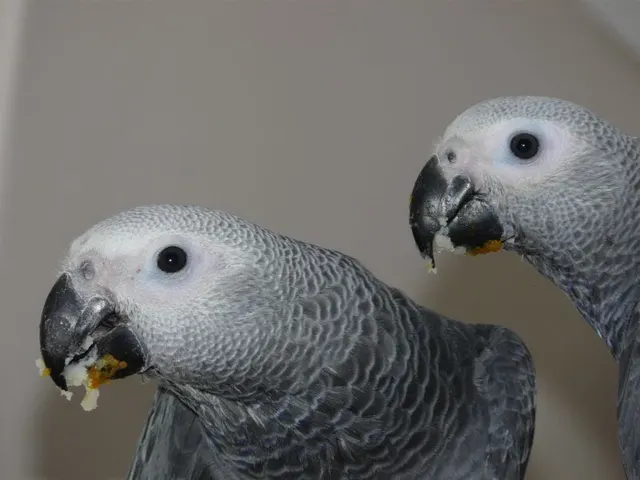
 Bonded Pair
 Jins & Jeni (Pair)
Companion pair raised side by side — they rehome together.
- DNA-sexed
- Vet certificate
- PCR screened
Est. 2014 · Midland, TX · USDA-licensed
Here at C.A.Gs we ship fertile African Grey parrot eggs nationwide for $95 each — candled before they leave, traced to named breeding pairs, and sold on honest hatch terms. No "guaranteed hatch," no anonymous farm — a USDA-licensed breeder you can verify in a minute.
The verifiable difference · 5 green flags
Why Our Egg Program Isn't the Usual Online Scam
Buying fertile African Grey parrot eggs online is a minefield, and we'd rather lose a sale than pretend otherwise: nearly every egg listing you'll find is a fake-farm scam, a fact our own scam-prevention guide documents in detail. The whole point of this page is to show you what a real, verifiable egg program looks like — because "different from those listings" is the only claim worth making here.
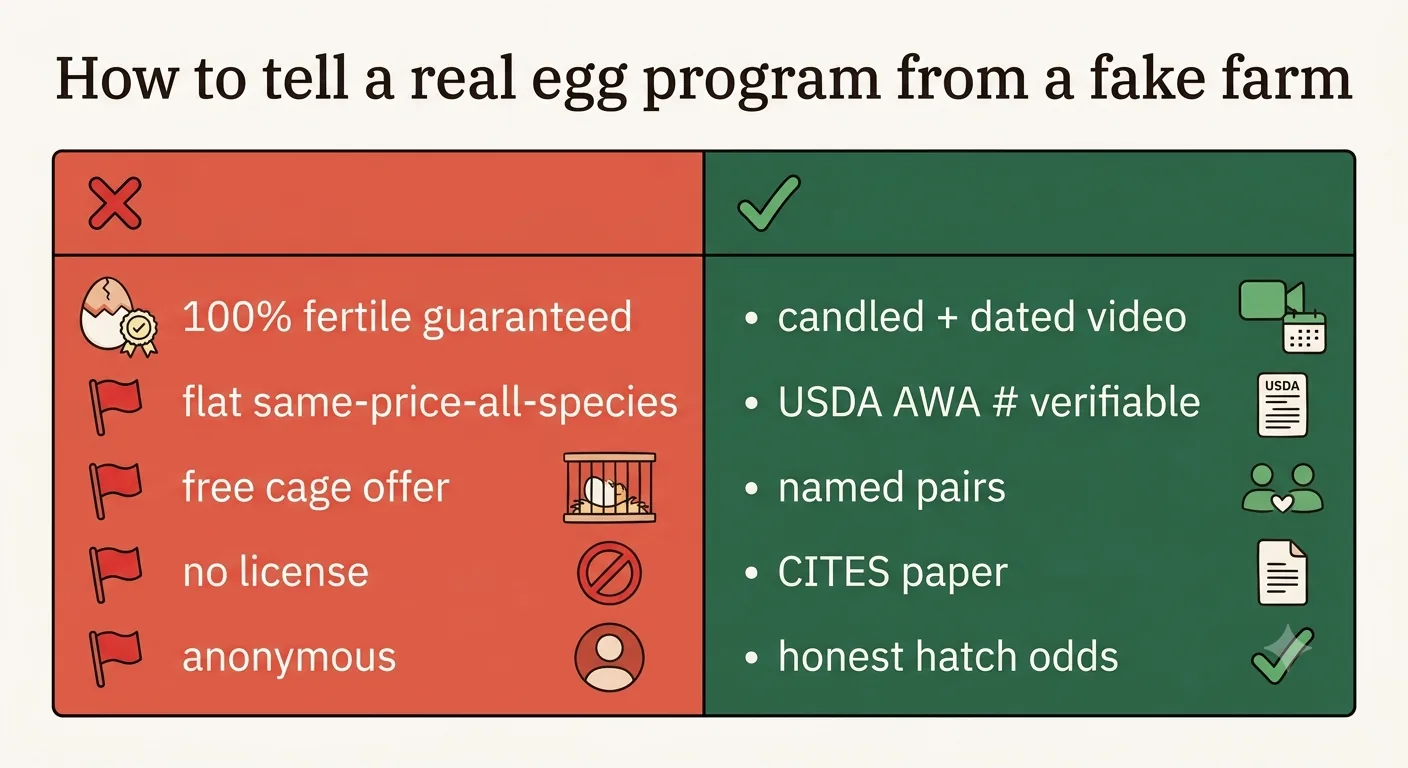
A fake egg farm is a keyword-stuffed website with no human behind it, and once you know the shape it's easy to spot: flat pricing across wildly different species, "free cage" bundled with an egg, and a promise no biologist would make. We call these out so you can walk past them — even the ones we don't run.
These five tells — an anonymous seller, one flat price for greys and macaws alike, a "100% fertile / guaranteed hatch" promise, a free-cage or gift hook, and no verifiable license — travel together on the scam pages. Real breeders fail at least one of them on purpose, because reality doesn't come with guarantees.
No honest breeder promises "100% fertile," and here's the biology: fertility is confirmed by candling days into incubation, not at the moment of sale, and even a fertile egg can quit. When a listing guarantees a hatch, it's guaranteeing something nature doesn't — which is why that phrase is a scam tell, not a selling point.
Verification is the antidote to egg-scam anxiety, and ours takes about a minute. Because we are a USDA Animal Welfare Act–licensed aviary in Midland, Texas, you can confirm we exist before you send a cent — something no fake farm can survive.
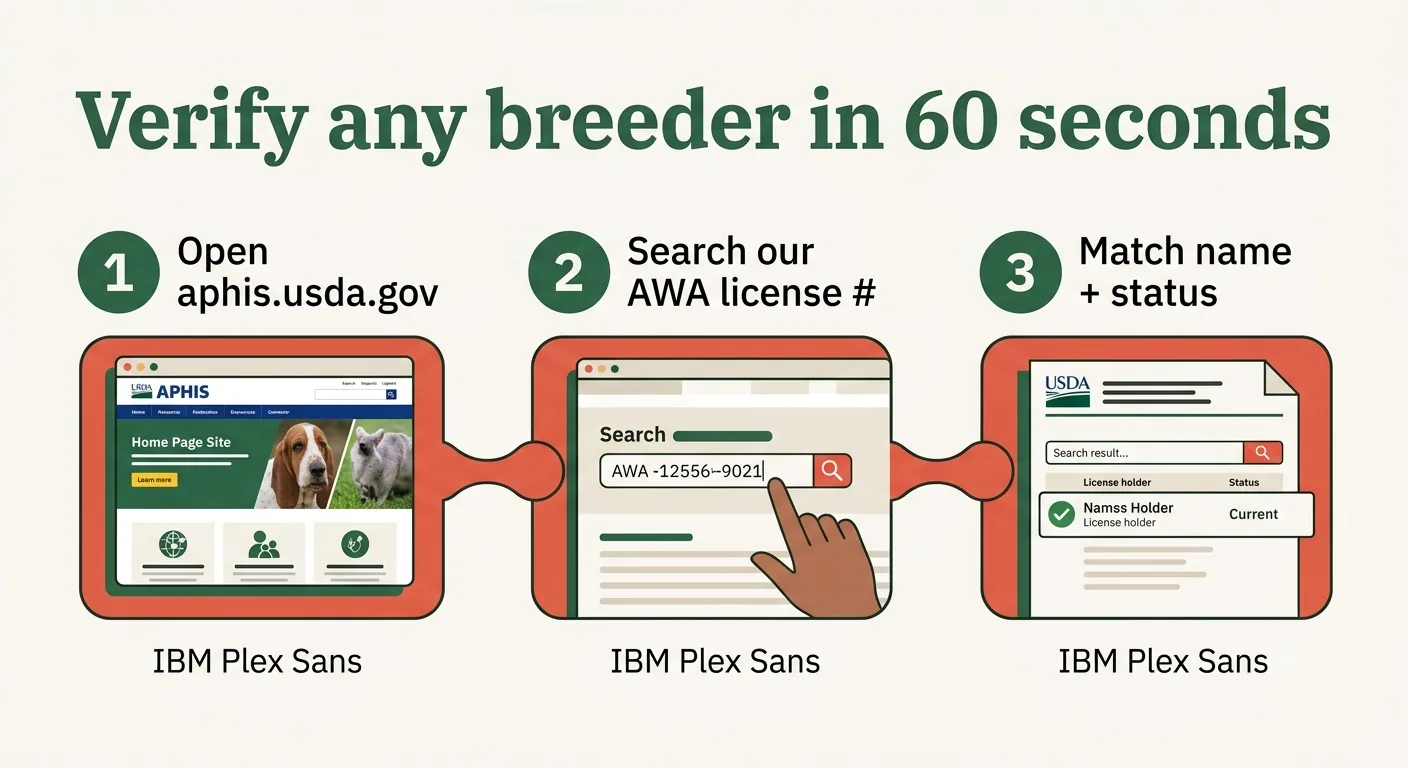
The USDA APHIS public search is where you start: open the Animal Welfare Act license lookup, search our aviary, and match the name and active status. It's the fastest legitimacy check in the hobby, and we invite it.
The APHIS record shows an active, licensed breeder tied to a real Texas address — not a stock-photo farm. Matching that public record against what we tell you is how a careful buyer separates C.A.Gs from the listings ranking beside us.
We are C.A.Gs (Congo African Greys), owned by Mark & Teri Benjamin, a family aviary in Midland, TX 79707, operating since 2014. That NAP is the one on our USDA record and our contact page — if a listing's details don't match its paperwork, that's your answer.

Our fertile African Grey parrot eggs are $95 each — a single, honest, same-across-our-Congo-lines African Grey egg price, because flat pricing that jumps by species is itself a scam tell. That $95 buys a candled egg from a named pair, packed for transit; it does not buy a hatch guarantee, and we'd rather say that plainly than sell you a fantasy.
African Grey Egg Pricing
The $95 covers a fertile Congo African Grey egg that we've candled and confirmed developing, drawn from a specific breeding pair we can name, and cradled for shipping. What it deliberately doesn't cover is hand-holding through incubation — these eggs are for breeders who already run an incubator, so you're paying for a genuine egg, not a course.
Ordering five fertile African Grey eggs waives the shipping fee across the continental US, which is how most serious breeders buy — a full clutch gives incubation the redundancy a single egg can't. It's a real discount on volume, not a "buy more, get a free bird" gimmick.
A $200 deposit reserves a clutch against a confirmed laying, and we hold eggs only when we truly have them — honest availability beats a permanent "in stock" button. Exact refund-versus-replacement wording is confirmed with you in writing before you pay, never buried in fine print.
Every number here is pulled from our current C.A.Gs price list, the same source behind our full African Grey pricing guide. If a figure ever differs between pages, the price list governs and we correct the page.
An African Grey hen lays a small clutch of 2–4 eggs, one every other day, which is exactly why real fertile eggs are limited and seasonal. Any listing offering unlimited flat-rate eggs across every parrot species is describing a farm that biology doesn't allow.
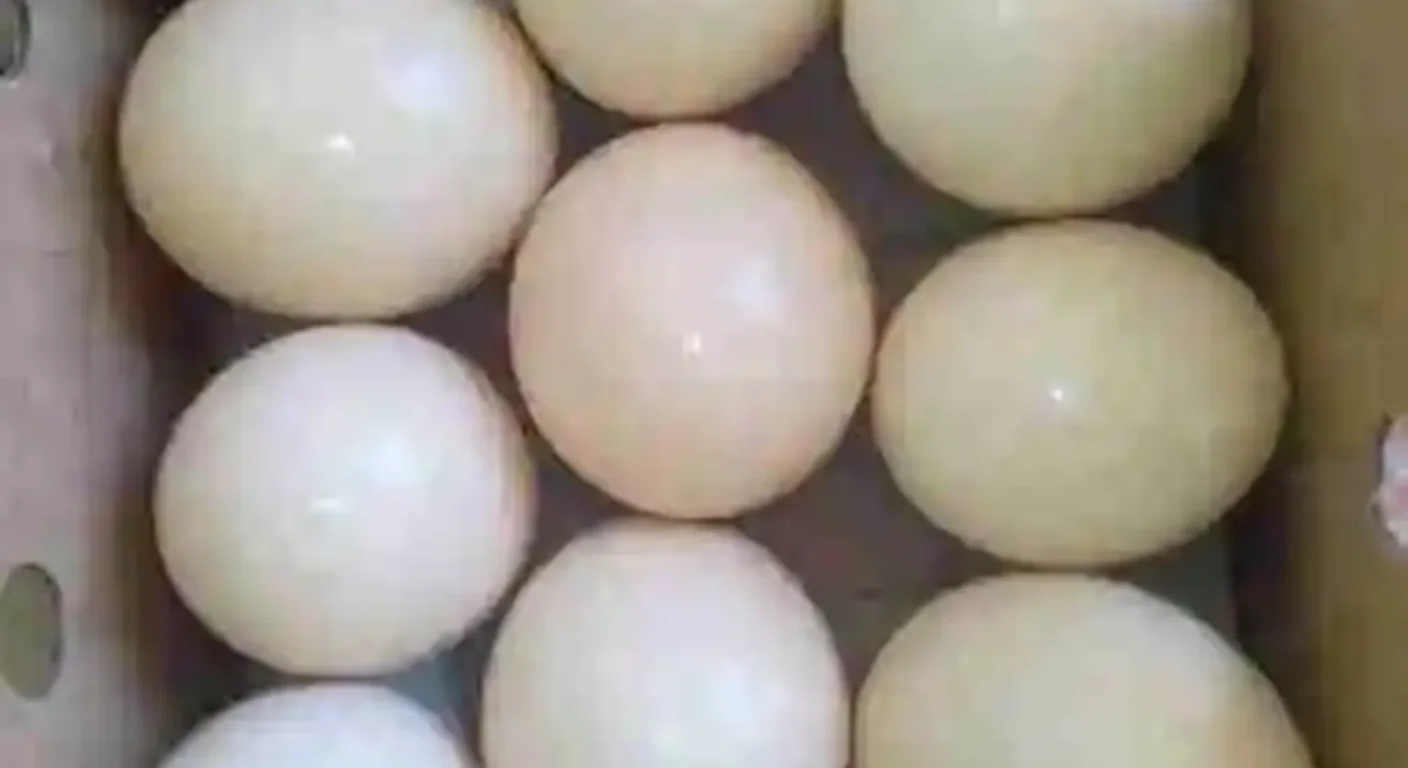
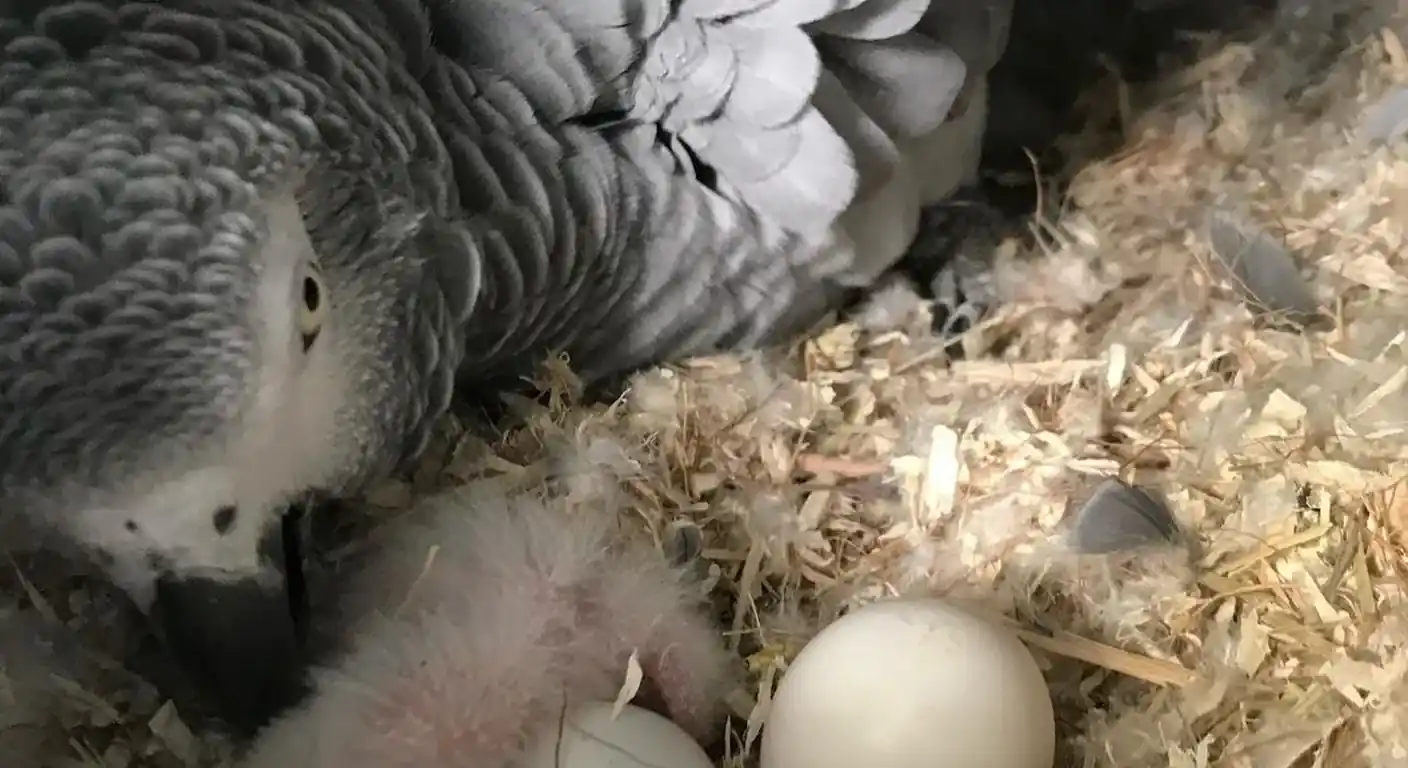
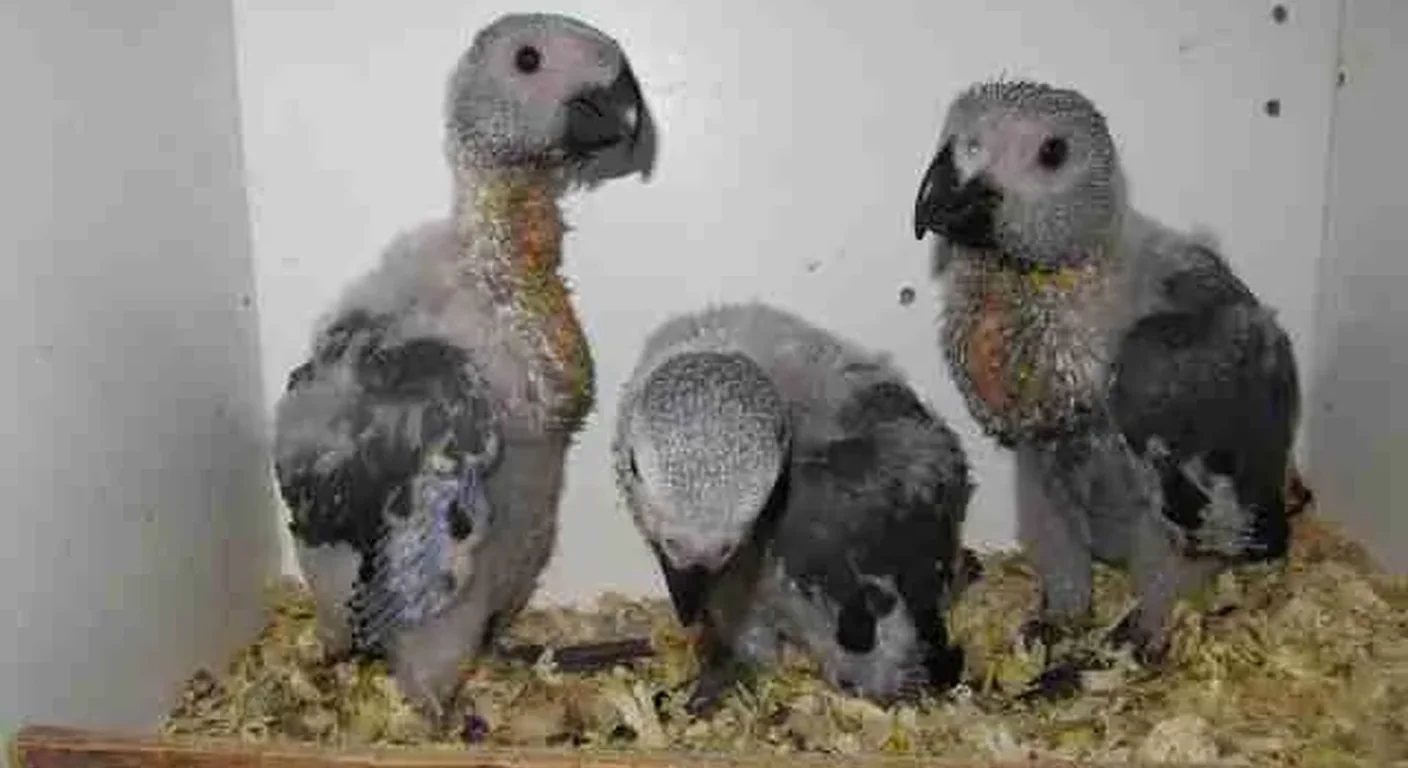
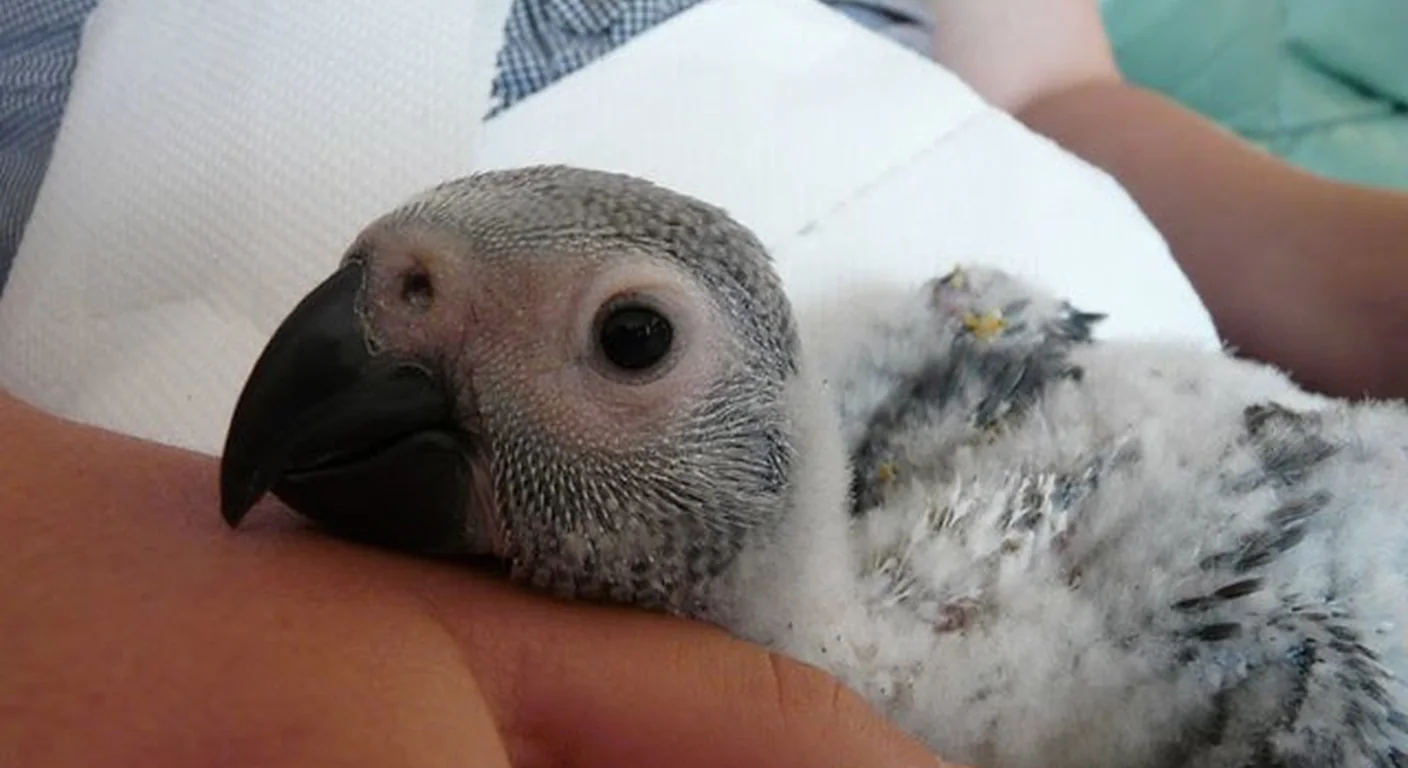
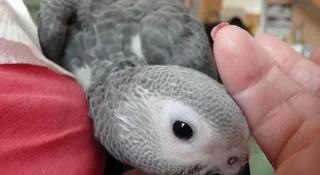
Real proof beats any promise, so instead of describing our aviary we'll show it: these are our own African Grey hatchlings and chicks in Midland, photographed and filmed here — the kind of evidence a stock-photo egg farm can never produce. Watching a clutch move from egg to fledgling is the honest picture behind every fertile egg we sell.
Press play on our own aviary footage — no narration, no stock clips, just our African Grey chicks during hand-rearing. It's the clearest answer to "are these real birds?" that we can give you before you ever reach out.
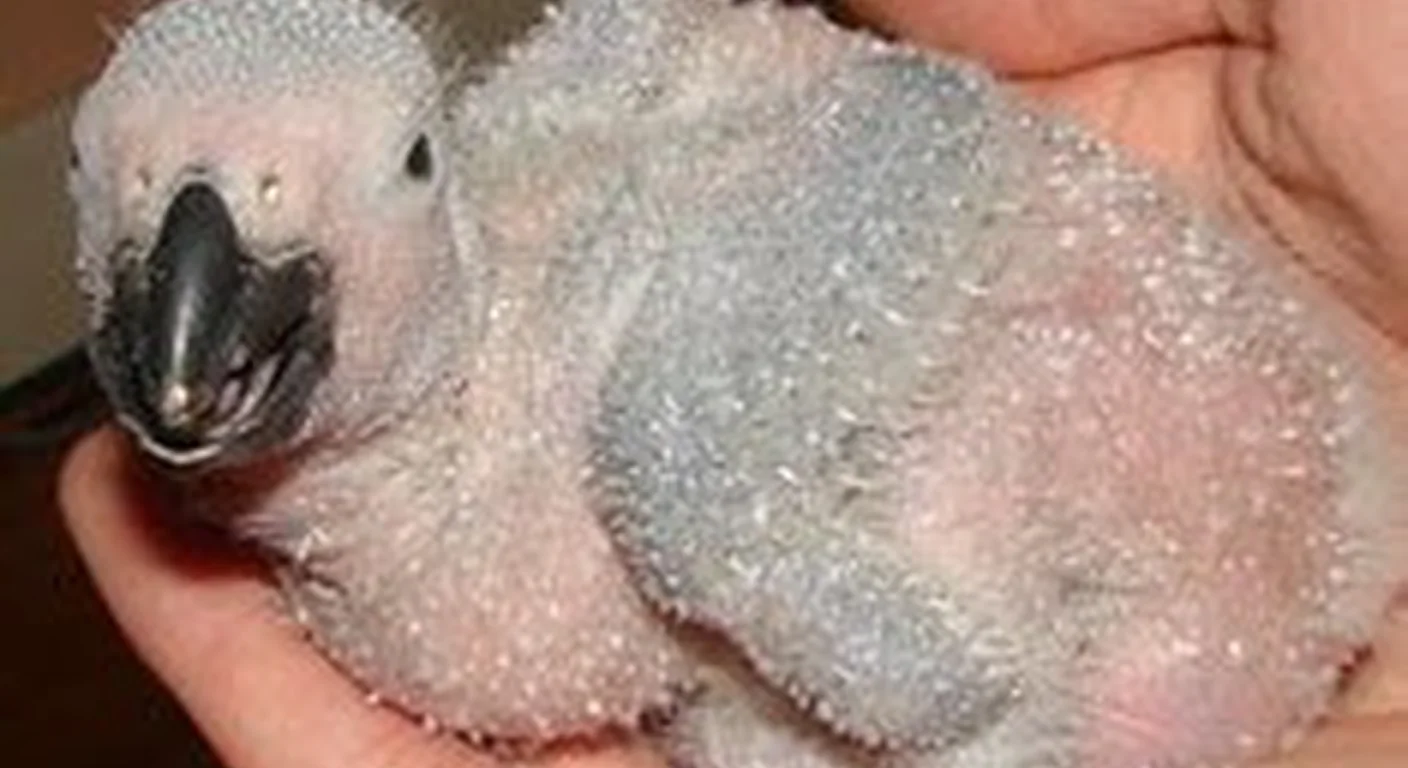
Every chick we place is hand-raised here from hatch to fully weaned at 12–16 weeks, which is why our birds arrive tame and socialized. That same nursery is where fertile eggs come from — so when you buy an egg, you're buying into a line we raise ourselves, not a shipment we flip.
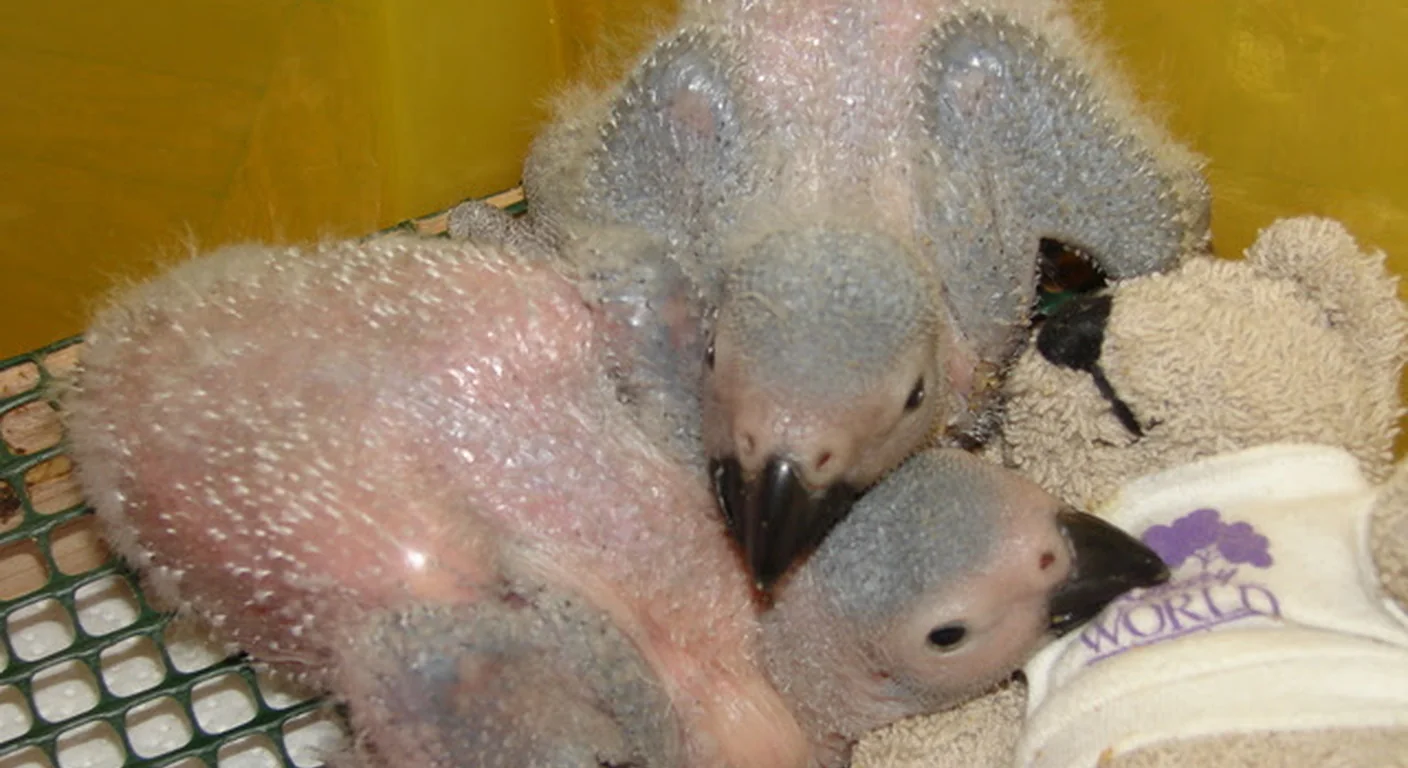
If an incubator isn't your world, our African Grey hatchlings grow into the weaned chicks listed further down this page. Buyers searching for hatchlings for sale usually want the outcome of an egg without the risk — and that outcome already lives in our nursery.
Named parents are the difference between a real egg program and a photo library, so we tell you whose clutch you're buying: our fertile eggs come from established Congo pairs like James & Lois and our Timneh pair Levi & Rily, birds we raise and health-screen ourselves. Traceable parentage is exactly what an anonymous farm can never offer.
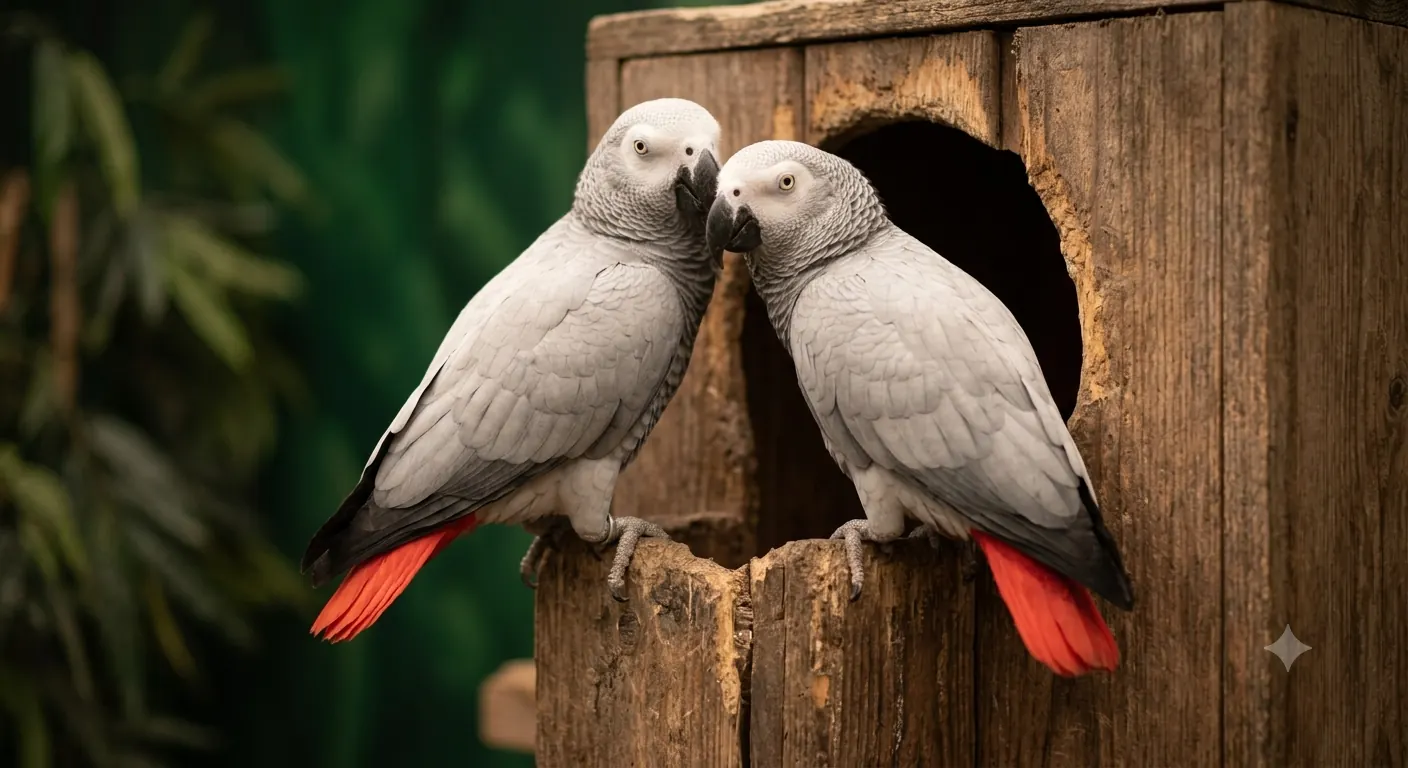
Each producing pair in our aviary is a known quantity — bonded, mature adults with a track record we can speak to, not rotating stock. Because we breed both variants, an egg can trace to a Congo line (Psittacus erithacus) or a Timneh line (Psittacus timneh), and we tell you which.
We only claim parentage we can actually stand behind, so if we're not certain of a specific pairing we say "Congo line" rather than invent two names. That restraint is deliberate — overclaiming a pedigree is how the fake listings pad their pages, and we won't borrow the tactic.
Our breeding birds are PCR-screened for PBFD (Psittacine Beak and Feather Disease) and Avian Polyomavirus, with negatives required before placement, so the genetics behind your egg come from a health-tested foundation. It's the same screening standard behind every hand-raised chick we place.
Candling is our proof of fertility, and we do it before an egg ever leaves the aviary: passing a bright light through the shell reveals the developing embryo, so "fertile" is something we've seen, not something we've asserted. On request we'll send you a dated candling photo or short video of your own clutch — the transparency the scam farms structurally can't provide.
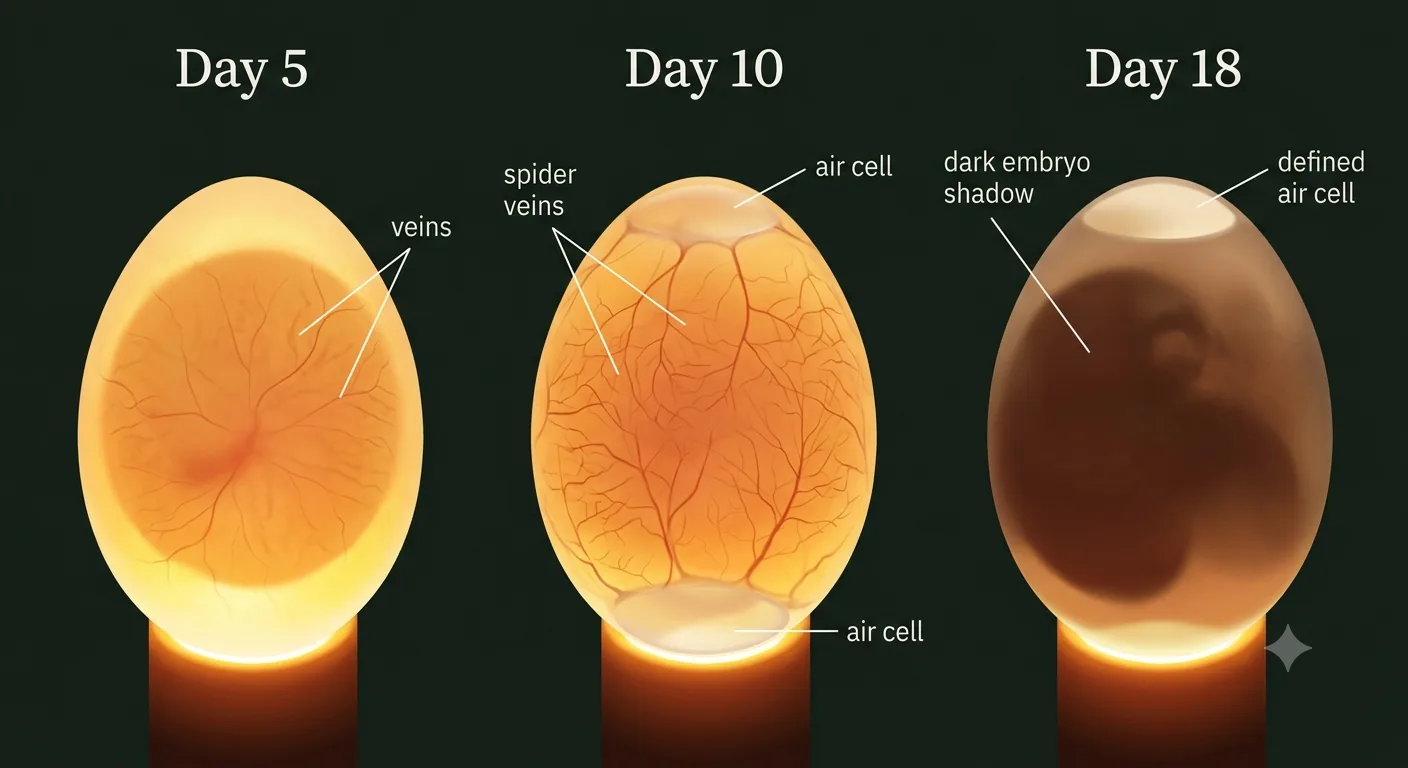
Candling tells a developmental story on a schedule: fine veins appear around day 5, a web of vessels and a defined air cell by day 10, and a dark embryo shadow by day 18. Reading those stages is how we confirm an egg is truly progressing before we pack it.
Ask and we'll document it: a timestamped candling image or clip of your clutch, so your first fertility check happens before shipping, not after a loss. That single file resolves most egg-scam fear on its own, which is precisely why we offer it up front.
Under the light we're reading three things — branching blood vessels, a clean air cell at the blunt end, and embryo movement or shadow — and a clear "candle-through" egg with none of these is one we pull, not ship. Honest candling means some eggs don't make the cut.
In Teri's words, she candles in a darkened room, blunt-end up, and re-checks anything ambiguous a few days later rather than guessing — patience beats optimism with a developing egg. It's the same careful eye she brings to every clutch we hatch here.
Hatching a Psittacus erithacus egg is demanding, precise work, and we'd rather you walk in clear-eyed: it means holding a steady 99.5°F and managed humidity for 28–30 days, turning several times a day, then hand-feeding a helpless chick around the clock. We publish the real incubation temperature, humidity and turning numbers below because every fake farm promises a PDF and none of them tell you the truth.
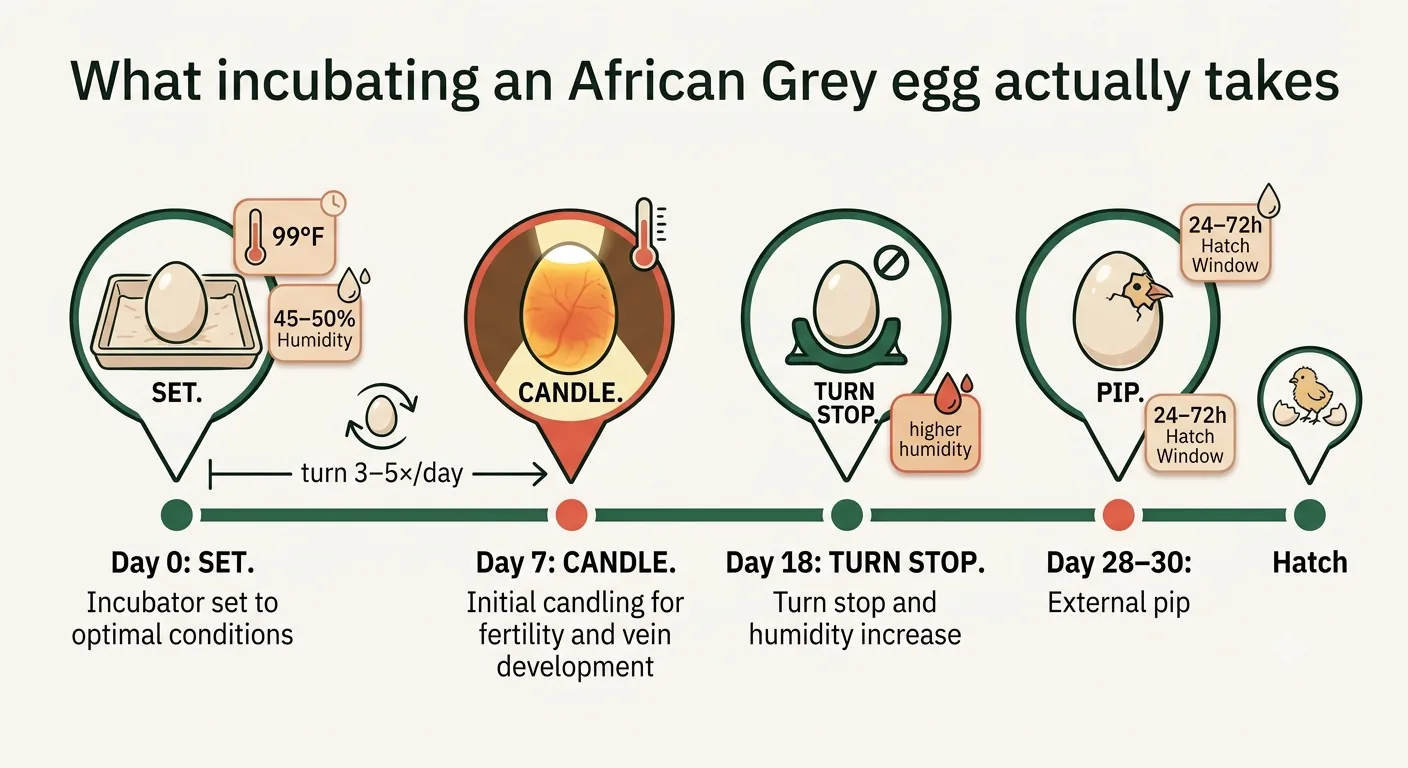
| Incubation metric | Target | Breeder note |
|---|---|---|
| Incubation temperature | 99.5 °F (37.5 °C) | Forced-air incubator, held stable |
| Relative humidity — days 1–25 | 45–50% | Managed for steady weight loss |
| Relative humidity — hatch (26–30) | 65–70% | Raised to help the chick pip |
| Turning | 5–7× daily | Automatic, until ~day 25 |
| Incubation period | 28–30 days | Set to external pip |
| Pip-to-hatch window | 24–72 hours | Never assist early |
Before you set a single egg
Hatching-Success Checklist — What a Fertile Clutch Needs
From set to pip runs about 28–30 days for an African Grey, with hatching itself unfolding over roughly 24–72 hours once the chick breaks through. Those are biological windows, not delivery estimates, and rushing or "helping" a hatch is a common way to lose a chick that would have made it — here is what each stage looks like on the candling light.
| Incubation day | Developmental milestone |
|---|---|
| Day 5 | Fine blood vessels visible on candling; embryo the size of a comma |
| Day 10 | Spider-web of vessels + a defined air cell at the blunt end |
| Day 18 | Dark embryo shadow fills most of the shell; movement on candling |
| Day 25 | Turning stops; chick positions for internal pip; air cell drawn down |
| Day 28–30 | External pip → zip → hatch over 24–72 hours; leave the chick be |
Stable incubation lives on three dials — a temperature near 99°F, incubator humidity managed around 45–50% and raised for the final days, and turning several times daily until roughly day 25 — and drift on any one can end development. This is why our eggs are sold to breeders who already own and trust their equipment.
The classic first-timer losses are avoidable and heartbreaking: an unstable incubator, skipped turning, wrong humidity, or assisting a pip too early. If reading that list makes an incubator feel like a leap, that's useful information — it may mean a weaned chick is the better call for you.
Our timeline figures track published avian sources such as Cornell's Birds of the World and peer-reviewed breeding-biology literature, not marketing copy. We cite them so you can check the numbers against science rather than take our word.
Shipping live cargo is the part scammers gloss over and we don't: fertile eggs travel cradled in a foam-lined insulated carton with a heat pack, while a reserved chick flies IATA live-animal cargo on the two delivery tiers below. Even done right, shipped eggs carry more risk than local pickup — and you deserve to hear that before you order.
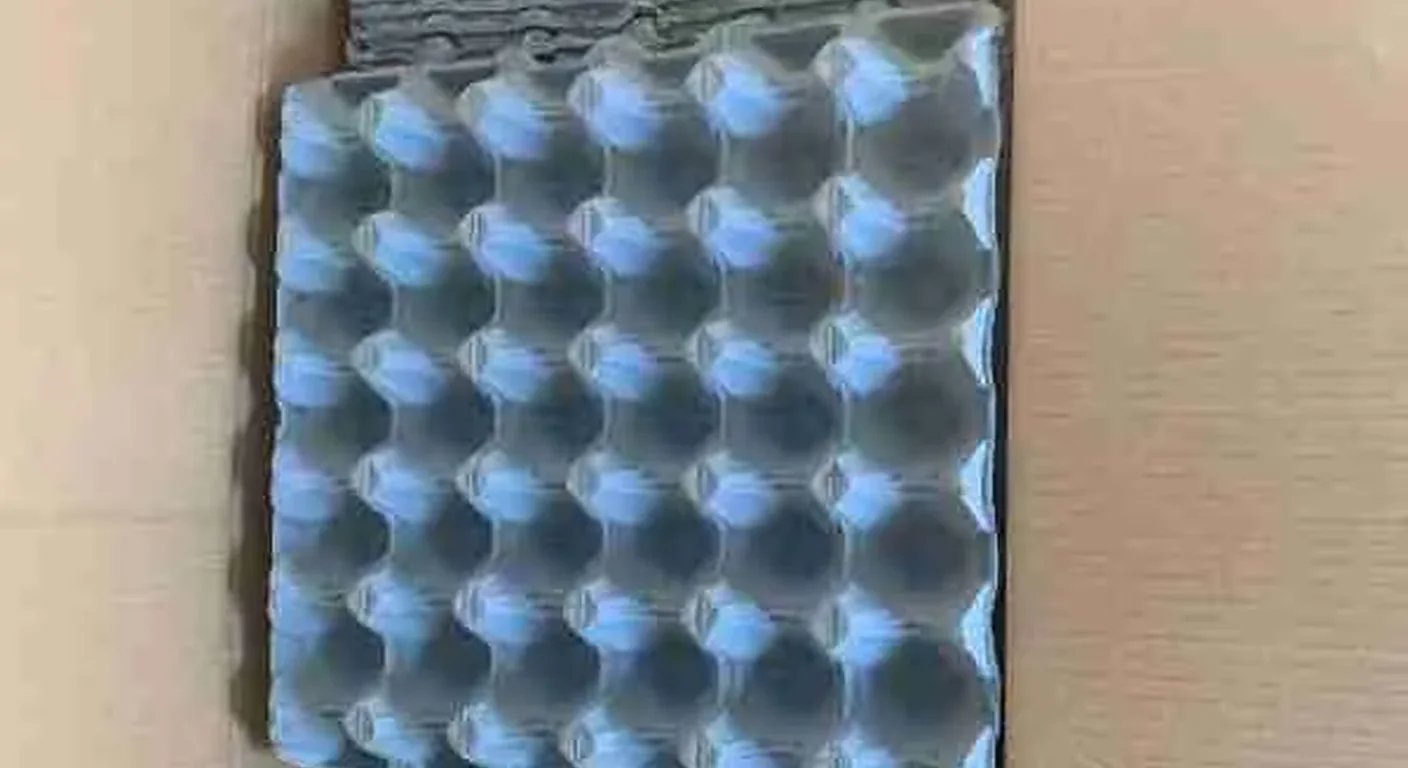
Eggs ship in a rigid insulated carton with foam cradles, a season-sized heat pack, and a handling card, on the shortest honest transit we can book. We confirm the carrier and the promised window with you before dispatch, so nothing about delivery is a surprise.
Arrival day is a rest-and-settle day, not an incubate-immediately scramble: we tell buyers to let shipped eggs sit pointed-end-up at room temperature for several hours so the air cell restabilizes before setting. That single instruction — which the fake farms never send — protects the clutch you paid for.
Here's the honest warning: parrot eggs are fragile cargo, and jostling, cold, or delay can end development even with perfect packing. If you live within 2–3 hours of Midland, TX, we'll steer you to local pickup instead — the gentlest handoff a fertile egg can get.
Reserve a weaned chick instead of an egg and it travels on one of two tiers, nationwide, whichever variant you choose. Every shipment leaves with the full document folder and health certificate.
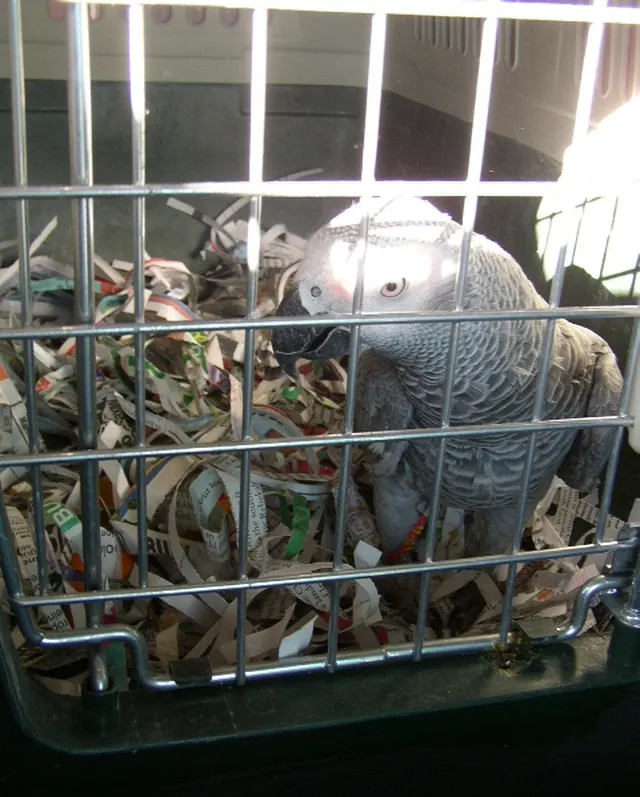
Live-animal cargo on Delta, United or American into the major airport nearest you

A climate-controlled courier van brings the bird — and its full paperwork — to your door
These routes cover much of what leaves Midland in a season, and our full African Grey shipping process lives on its own page. Each route card opens that area's availability page:
Ships nationwide · $185 airport · $350 home
Choosing between an egg and a weaned chick is really a choice about risk and skill, and we'll give you the honest math instead of the upsell: an egg is cheaper up front but adds an incubator, a brooder, hand-feeding hours, and real odds of loss, while a weaned chick is one fixed price and a bird that's already eating on its own. For most families, the chick is the higher-success path — and we'll tell you so even though the egg is the cheaper line item.
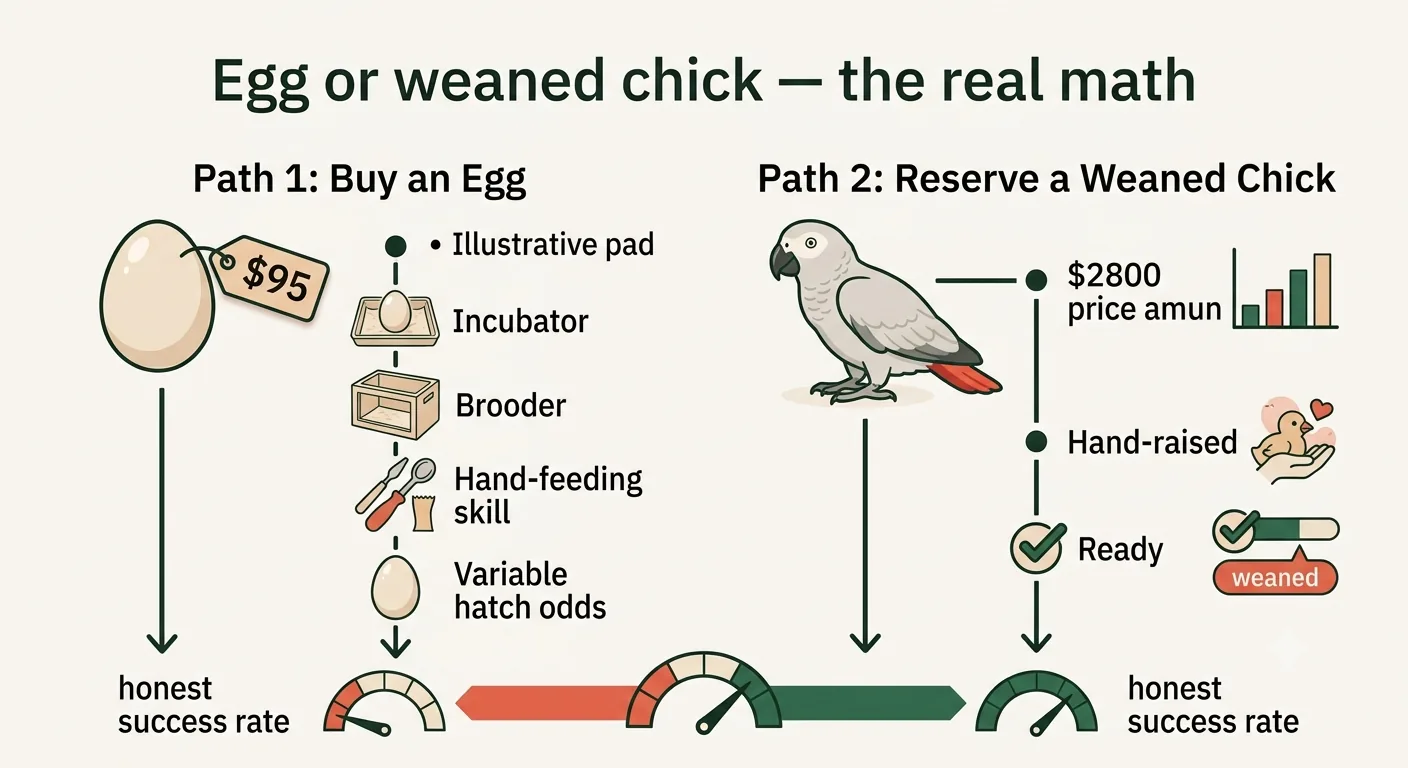
On paper an egg starts at $95 while a weaned Congo chick runs $1,700–$2,500, but the egg's real cost includes equipment, weeks of labor, and a success rate that depends entirely on your skill. When you price the whole path rather than the sticker, the "cheap" egg and the "expensive" chick are much closer than they look.
| Path | Starting price | Extra gear | Skill / labor | Best for |
|---|---|---|---|---|
| Fertile eggPsittacus erithacus | $95 each | Incubator + brooder | Expert · high | Experienced breeders |
| Weaned Congo chickHand-raised | $1,700–$2,500 | Cage & toys only | Beginner-friendly | Most families |
| Weaned Timneh chickHand-raised | $1,500–$1,600 | Cage & toys only | Beginner-friendly | Calmer, earlier talker |
Our hand-raised weaned babies skip every failure point between egg and fledgling, which is why most buyers who want a talking companion — not a breeding project — should reserve one instead. An African Grey is a 40–60 year commitment, so we hand-raise ours to 12–16 weeks and place a socialized bird, not a gamble.
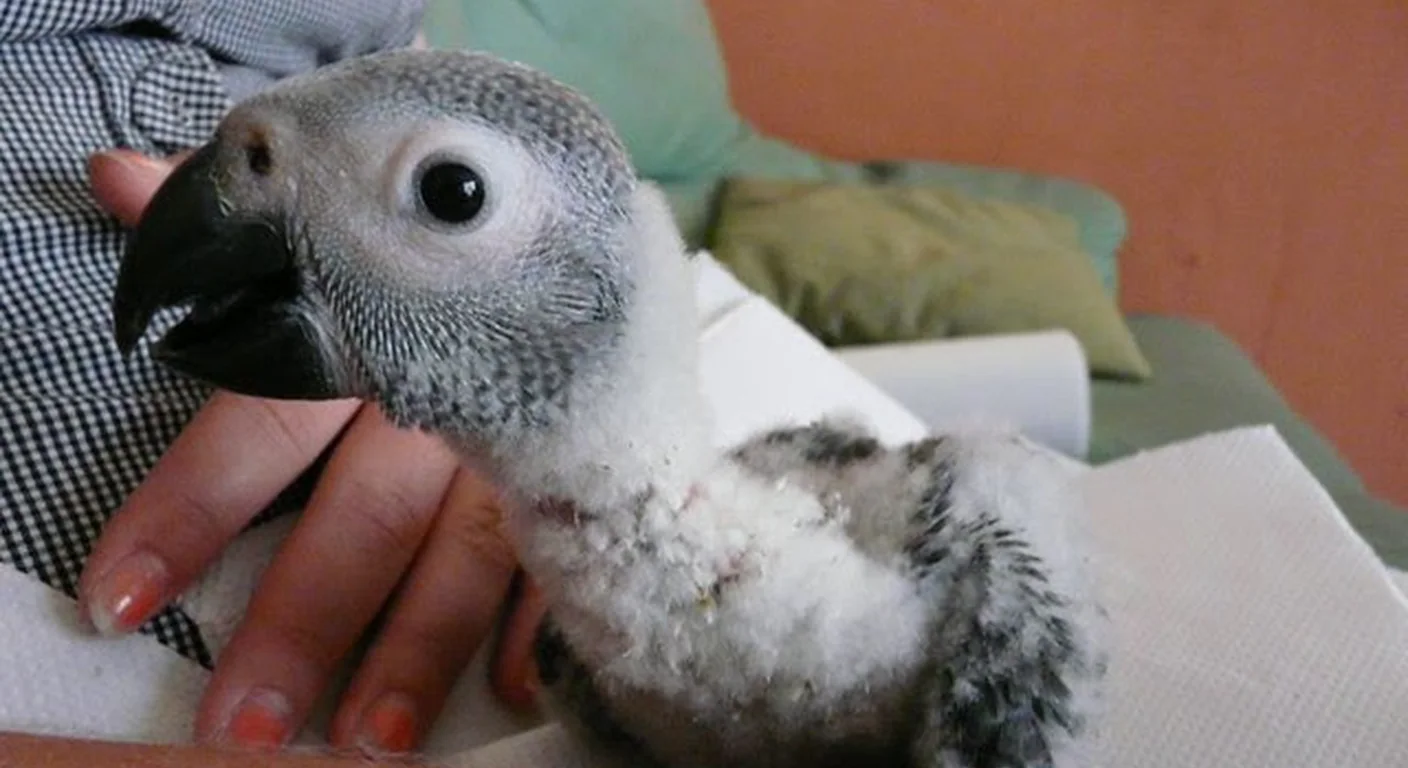
A newly hatched African Grey needs formula at the right temperature every few hours, day and night, and mistakes cause crop burns or aspiration — this is genuinely expert-only work. Our own weaned chicks below are the shortcut past all of it.
Health is where an ethical breeder earns trust, so every bird we place is PCR-screened and vet-checked before it leaves — and the eggs come from that same tested foundation. A reserved chick arrives with a written health guarantee; an egg, by its nature, cannot carry one, and we say so plainly rather than pretend otherwise.
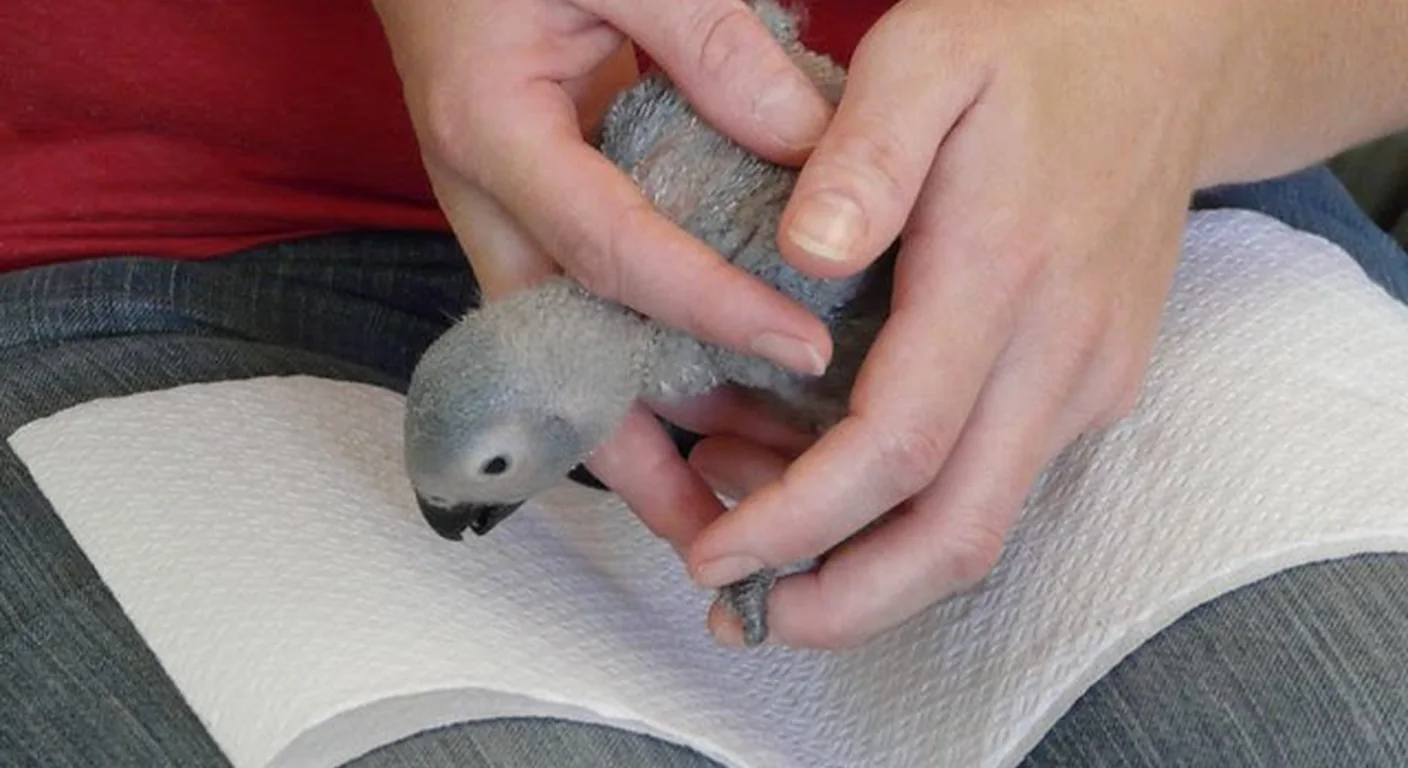
The document folder is the same across every companion bird we place, and it's exactly what a fake listing can't assemble. Here's the stack that travels with a reserved chick:
Every Grey Leaves With
The Association of Avian Veterinarians treats PBFD and Avian Polyomavirus as core screening for psittacines, so we PCR-test our breeding birds and chicks for both, with negatives required before placement, because those two diseases are the ones that quietly wreck a collection. Screening the parents is also why the fertile eggs come from a clean, tested line rather than an unknown one.
Reserved chicks carry a written health guarantee — full terms live on our African Grey health guarantee page. It covers the bird you can hold and vet-check; an egg's outcome depends on your incubator, which is the honest reason eggs are sold as-is to experienced breeders.
Legality is a fair worry with African Greys, and the honest answer is reassuring: because our birds are captive-bred, their eggs are legal to own and transfer within the United States with the right paperwork. African Greys are CITES Appendix I, and we lean into that status rather than dodge it — it's the frame that separates documented breeders from the wild-caught trade we'll never touch.

In plain terms, CITES Appendix I is the strictest protection tier, and it makes captive-bred documentation essential — which is exactly why we keep it on every bird. Pair that with our USDA Animal Welfare Act license and you have a paper trail a fake listing simply cannot reproduce.
Our captive-bred African Grey program is why documentation follows everything we place: captive-bred CITES paperwork, DNA sexing certificates, an avian-vet health certificate, and a hatch certificate with a band number for our chicks. For a broader picture, our CITES documentation guide walks through each record.
The World Parrot Trust documents how responsible captive breeding relieves collection pressure on wild African Grey populations, and that ethic is absolute here: every egg and bird we sell is captive-bred in the USA, full stop — we have never dealt in wild-caught African Greys, and Appendix I is why that line holds.
The species moved up to CITES Appendix I at CoP17 — effective January 2017, a tightening from its former Appendix II listing — per the Convention's own records. We reference the source so the status is verifiable, not just stated.
Most buyers who land on an egg page actually want the outcome of an egg, so here's everything currently reservable at C.A.Gs: hand-raised Congo and Timneh chicks, a companion pair, a proven breeding pair, and our candled fertile eggs. Each listing below opens that bird's own page, where its photos, parentage and full paperwork live.
Bonded Pair Companion pair raised side by side — they rehome together.
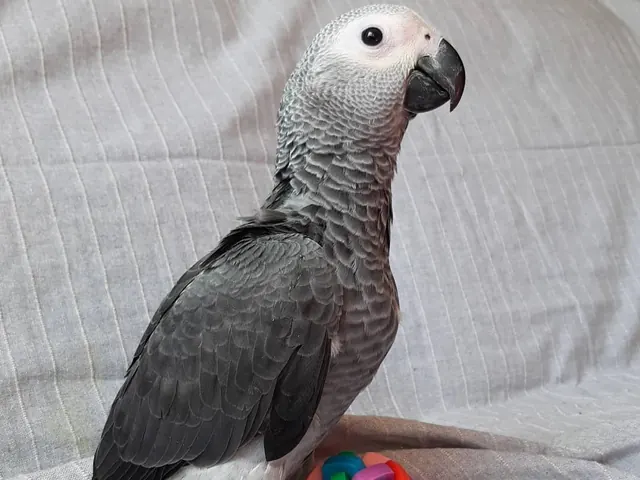 Congo CAG
 Confident, playful young male who thrives in busy family homes.
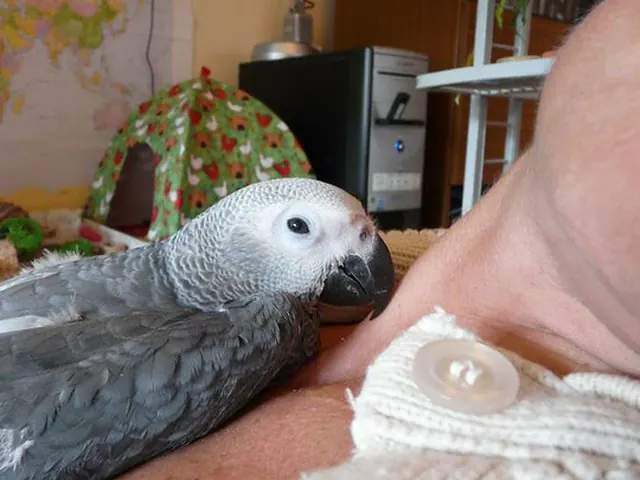 Congo CAG
 Hand-fed baby hen, gently socialized on our shoulders since hatch.
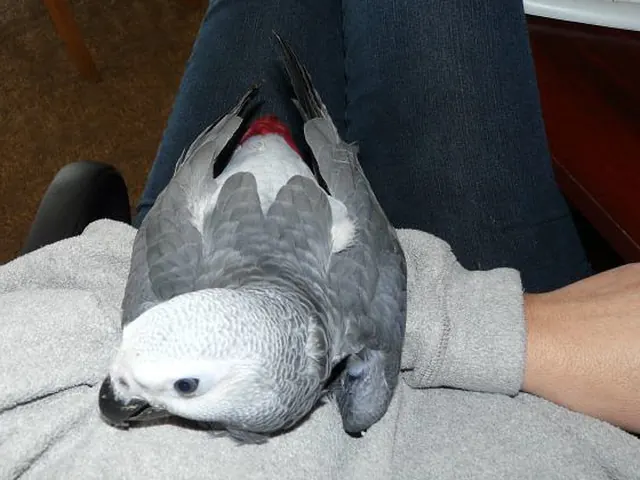 Congo CAG
 Cuddly, fully tamed young hen who settles on a lap within minutes.
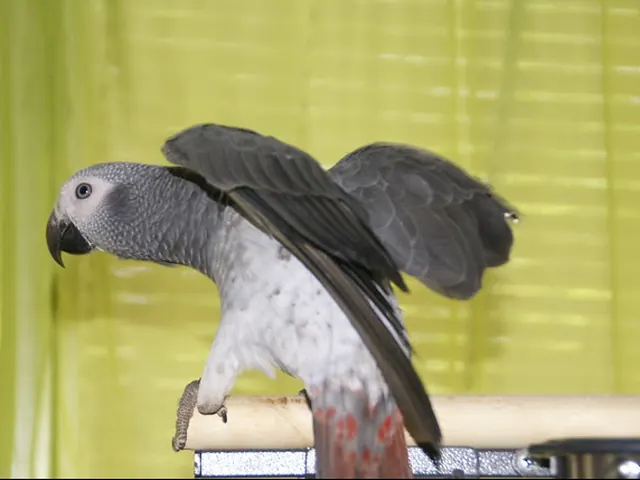 Timneh TAG
 Steady young Timneh male, already easy to handle and harness-curious.
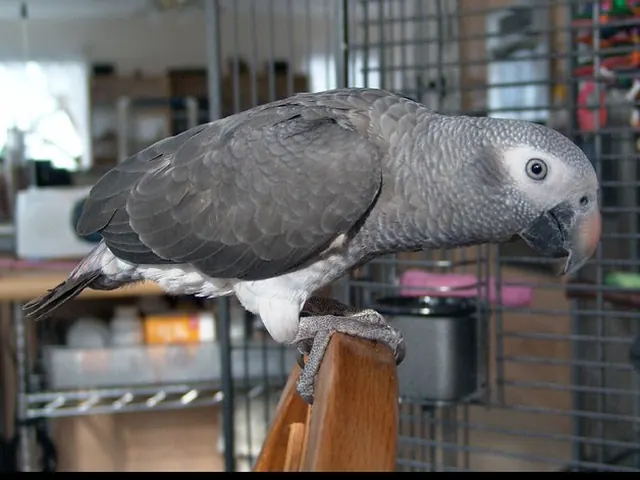 Timneh TAG
 Calm, sweet Timneh hen with the classic horn-colored beak.
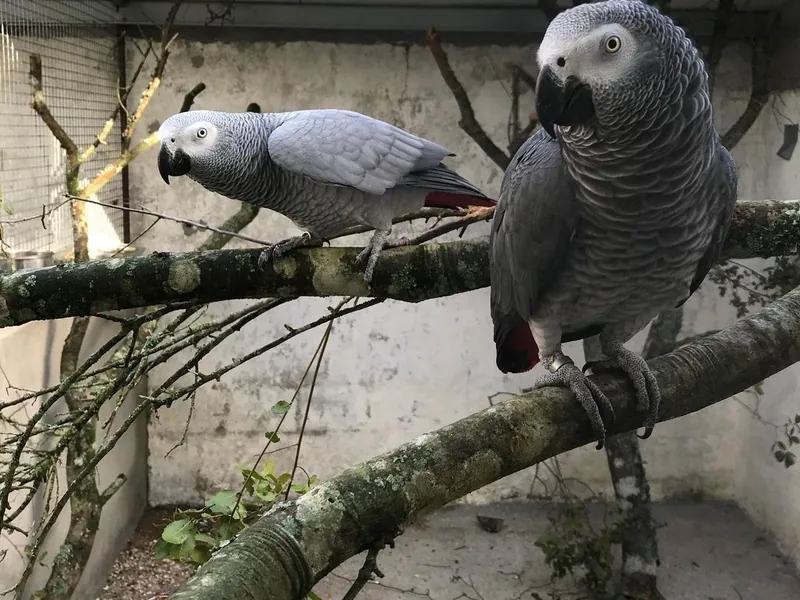 Breeding Pair
 Bonded, mature pair with a real clutch history in our aviary.
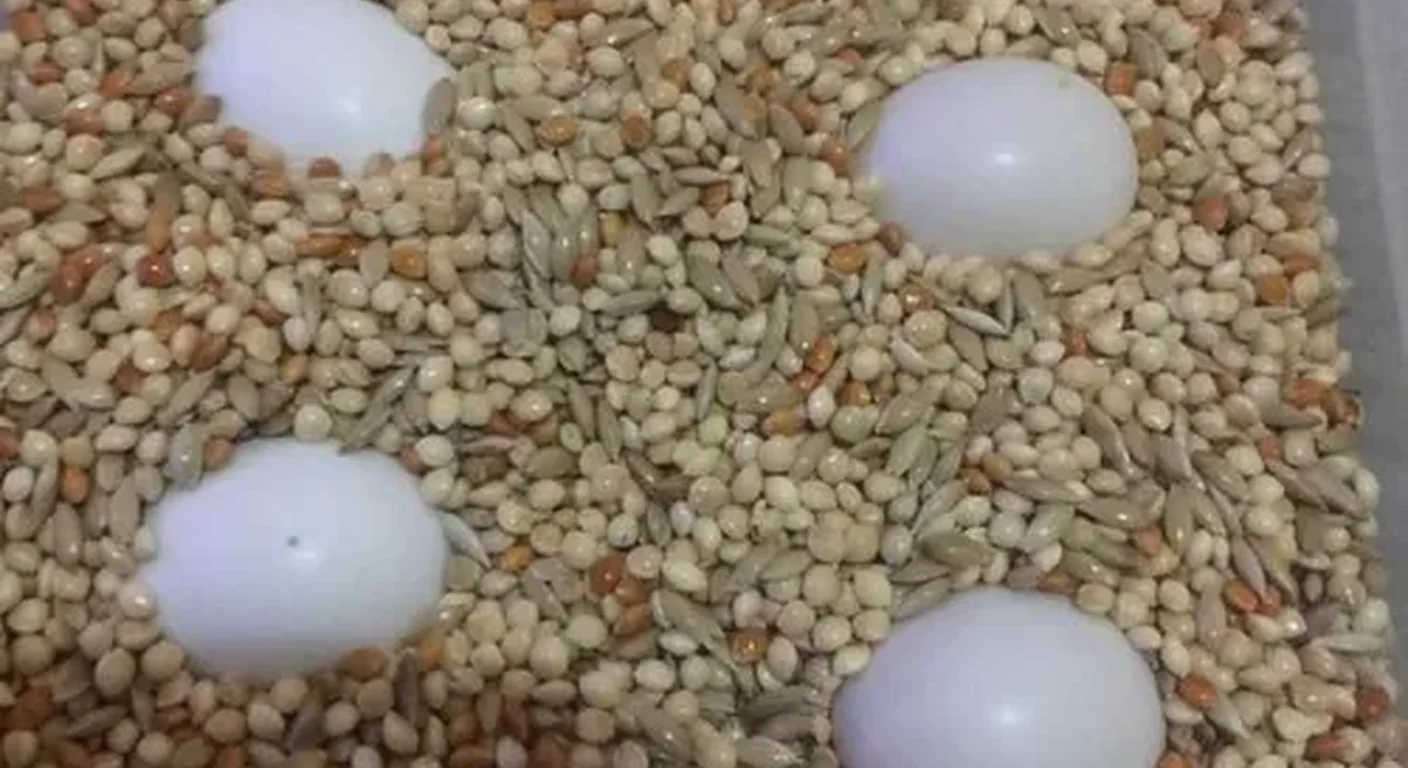 Fertile Eggs
 Candled before dispatch, from our named Congo lines.
Ships nationwide · $185 airport · $350 home · Local pickup in Midland, TX (within 2–3 hours)
Established aviaries write us about our proven-producing African Grey pair, and experienced incubator keepers ask for the candled fertile hatching eggs directly — both are in the grid above, and both carry the same documentation stack as our companion birds. Our full available-birds page lists everything currently reservable.
We could describe our service, but two verified buyers say it better — both bought sight-unseen and both had the shipping and documentation go the way this page promises. Dozens more buyer accounts, with photos, are collected on our African Grey reviews page.
 Richard WoodardWinter Haven, FL · Congo African Grey★★★★★
"At first I was hesitant about buying a bird online, but C.A.Gs made the process stress-free. They provided detailed care instructions and my parrot arrived in perfect condition. My Congo African Grey is now the star of our family, talking and entertaining us daily."
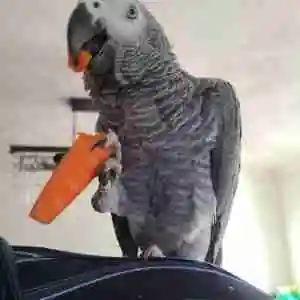 Archie O'BrienFarmingdale, NY · Congo African Grey★★★★★
"Finding a healthy and well-socialized female Congo African Grey was important to me, and I'm so glad I chose C.A.Gs. The entire experience was professional, transparent, and reassuring from start to finish. My Congo Grey is beautiful, affectionate, and already showing an amazing personality. I highly recommend C.A.Gs to anyone looking for a quality Congo Grey parrot."
Set us beside a typical online egg listing and the difference isn't tone, it's evidence: everything in our column is something you can independently check, and almost nothing in theirs is. This is the honest scorecard the scam-dominated egg SERP never shows you.
| What to check | Typical online egg listing | C.A.Gs |
|---|---|---|
| Seller identity | Anonymous, keyword-named website | Named breeders — Mark & Teri Benjamin, Midland, TX |
| USDA license | None you can verify | Active USDA AWA, lookup-able on APHIS |
| Fertility proof | "100% fertile guaranteed" | Candled before dispatch + dated video on request |
| Pricing | One flat price across every species | $95, honest, from named Congo lines |
| Hatch promise | "Guaranteed hatch rate" | Honest odds — no hatch is ever guaranteed |
| CITES paperwork | Never mentioned | Appendix I captive-bred documentation |
| Photos & video | Stock or stolen images | Our own nursery photos and hand-rearing video |
Our full C.A.Gs vs. other African Grey breeders comparison makes the same case for live birds, and it strips down to a single sentence: we can be verified and they cannot. A named USDA-licensed breeder in Midland, Texas, with candling proof, CITES paperwork and our own nursery video is the opposite of an anonymous flat-priced egg farm — and that gap is the entire reason this page exists.
Before you commit to an incubator or a wire transfer, these guides answer the questions this page raises in more depth — from spotting scam listings to what a weaned chick really costs. Each one is written by us here at C.A.Gs, not lifted from a content mill.
 Scam guide How to avoid African Grey parrot scams The 12 red flags every fake egg listing shares. Read the guide →
  Better path Baby African Greys for sale Skip the incubator — reserve a weaned, hand-raised chick. Read the guide →
  Pricing African Grey price — what you actually get Why the real cost of an egg is higher than $95. Read the guide →
  Legality CITES documentation, explained What Appendix I paperwork travels with a captive-bred grey. Read the guide →
 Also from our aviary
A documented Congo pair puts the eggs at your end of the process instead of in the post, which is the version of this that actually works.
Weaned chicks already off formula are what we recommend to almost everyone who lands here, and you can watch one on a video call before paying.
Our full African Grey parrot FAQ covers ownership, care and buying well beyond eggs; below are the real questions buyers send us about fertile African Grey parrot eggs — price, hatch time, clutch size, incubator humidity, legitimacy and legality — answered the same honest way we'd answer them on the phone. If a seller can't answer every one of these plainly, that's your signal to walk away.
Our fertile African Grey parrot eggs are $95 each, and if you buy 5 eggs US shipping is free. A $200 deposit reserves a clutch. We price every egg the same across our Congo lines — flat pricing that changes by species is one of the scam tells we warn buyers about, so an honest African Grey egg price stays consistent.
Under correct incubation, African Grey eggs hatch in about 28–30 days, with the pip-to-hatch window running roughly 24–72 hours. That figure comes from published avian breeding data, not a marketing promise, and it assumes a stable incubator near 99°F with managed humidity and daily turning.
A hen typically lays a clutch of 2–4 eggs, one every other day, and begins full incubation after the second or third. That small clutch size is exactly why real fertile African Grey eggs are limited and why any listing offering unlimited flat-rate eggs across every species should raise your guard.
Most are a scam — our own scam guide flags the pattern. What separates a real egg program is verifiable identity: a USDA license you can look up, named breeding pairs, CITES Appendix I documentation, and candling proof. We publish all four, which is exactly what the fake egg farms cannot do.
Candling is how we tell — shining a light through the egg reveals veins by about day 5, a spider-web of vessels and an air cell by day 10, and a dark embryo shadow by day 18. We candle before dispatch and can send a dated photo or short video, so you see the fertility signs on your own clutch.
Most keepers hold roughly 45–50% relative humidity for the main incubation stretch, then raise it for the final days before hatch to help the chick pip — while keeping temperature near 99°F and turning several times a day. Exact numbers vary by incubator and altitude, which is one more reason these eggs are sold for experienced breeders only, with no incubation support included.
We ship fertile, fertilized African Grey parrot eggs nationwide from Midland, Texas — to Florida, North Carolina, South Carolina, California and every other state — in an insulated carton with a heat pack. If you live within 2–3 hours of Midland, local pickup is the gentlest option for live eggs.
Yes. Our fertile eggs trace to Congo African Grey lines (Psittacus erithacus), and if you'd rather skip the incubator we also raise hatchlings through to fully weaned chicks. Most families are better served reserving a hand-raised African Grey baby than hatching an egg — and we will tell you so honestly.
You can, but it is genuinely hard, expert work — which is why our eggs are sold for experienced breeders and no incubation support is included. A day-one chick needs round-the-clock hand-feeding. If that isn't your world yet, reserving a weaned chick is the honest, higher-success path.
For anyone who genuinely wants to produce African Greys, yes, and by a wide margin. A pair is a one-off purchase you can inspect, verify and keep; eggs are a recurring gamble on somebody else's packing and your own incubator. A producing pair also removes the two variables that ruin most egg purchases, because the eggs never travel and you know exactly what laid them. The catch is honest to state: a pair needs space, patience and a season or two before it produces anything, so it answers a long-term ambition rather than a wish for a grey this month.
Yes. African Greys are CITES Appendix I, and captive-bred birds and their eggs are legal to own and transfer within the United States with proper paperwork. Every egg traces to our USDA-licensed, captive-bred pairs — never wild-caught — and CITES captive-bred documentation follows the birds.
Reserve · 24-hour reply
Tell us what you're after and how you'd like to receive it, and we'll reply within 24 hours with honest availability — including "not right now" if that's the true answer. A $200 deposit reserves a clutch or a bird once we've confirmed the match.