
- Home
- African Greys for Sale
- Timneh African Grey for Sale
2 Timneh babies · Levi × Rily clutch · Midland, TX
Timneh African Grey Parrots for Sale — Smaller, Calmer, Hand-Raised & CITES-Documented Greys
Here at C.A.Gs we hand-raise Timneh African Grey parrots (Psittacus timneh) — the smaller, often calmer, earlier-talking grey — and place them from $1,500. Elad and Evie are DNA-sexed, health-screened babies from our own pair, Levi & Rily. No anonymous listing, no wild-caught birds: a USDA-licensed Texas breeder you can verify in about a minute and video-call before you pay a cent.
4.9 · 52 verified C.A.Gs buyers
- USDA Class A
- CITES Appendix I
- PCR DNA-sexed
- US-only shipping
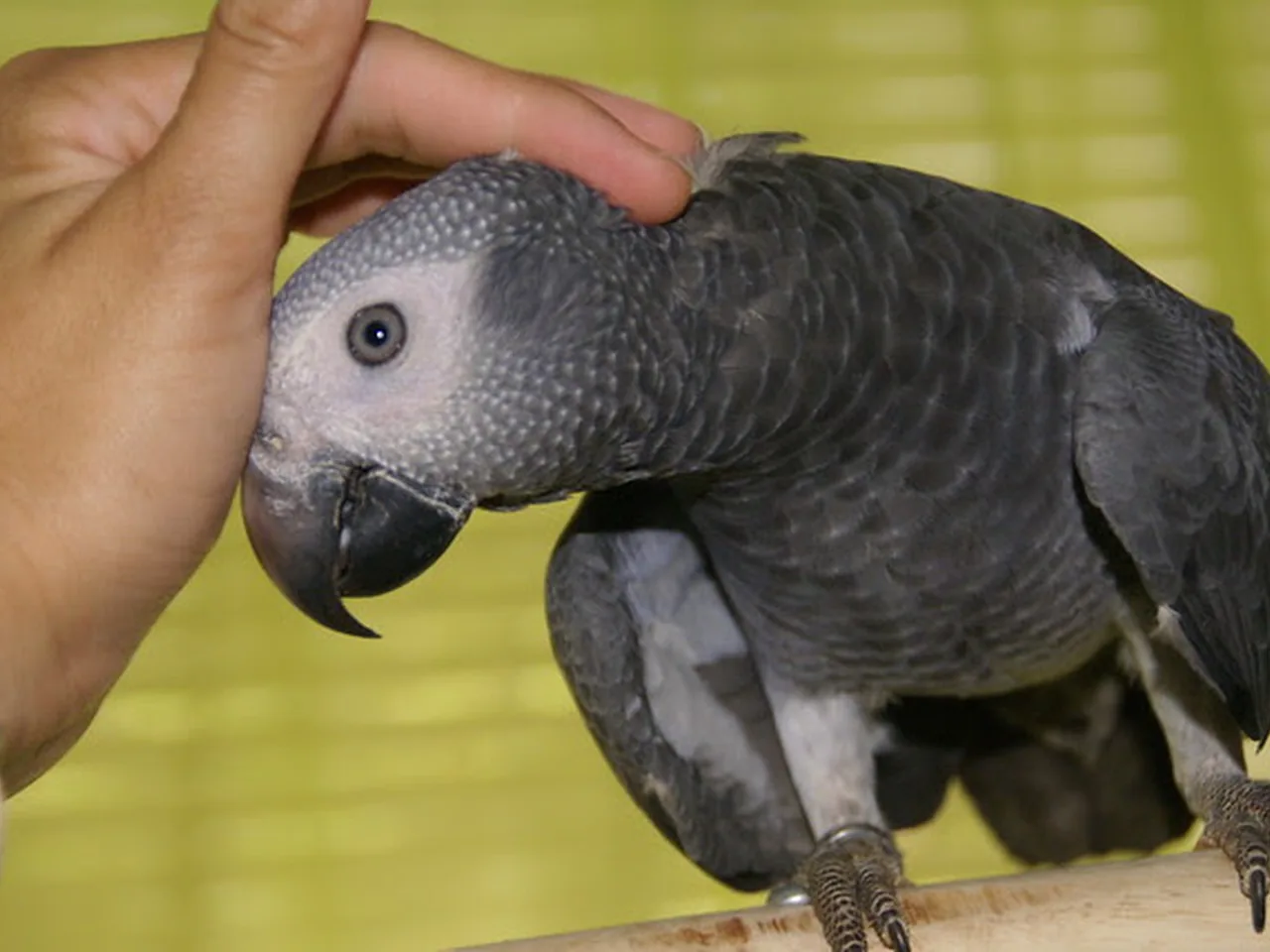 Hand-raised in Midland, TX
 Which Timneh African Greys Do We Have for Sale Right Now?
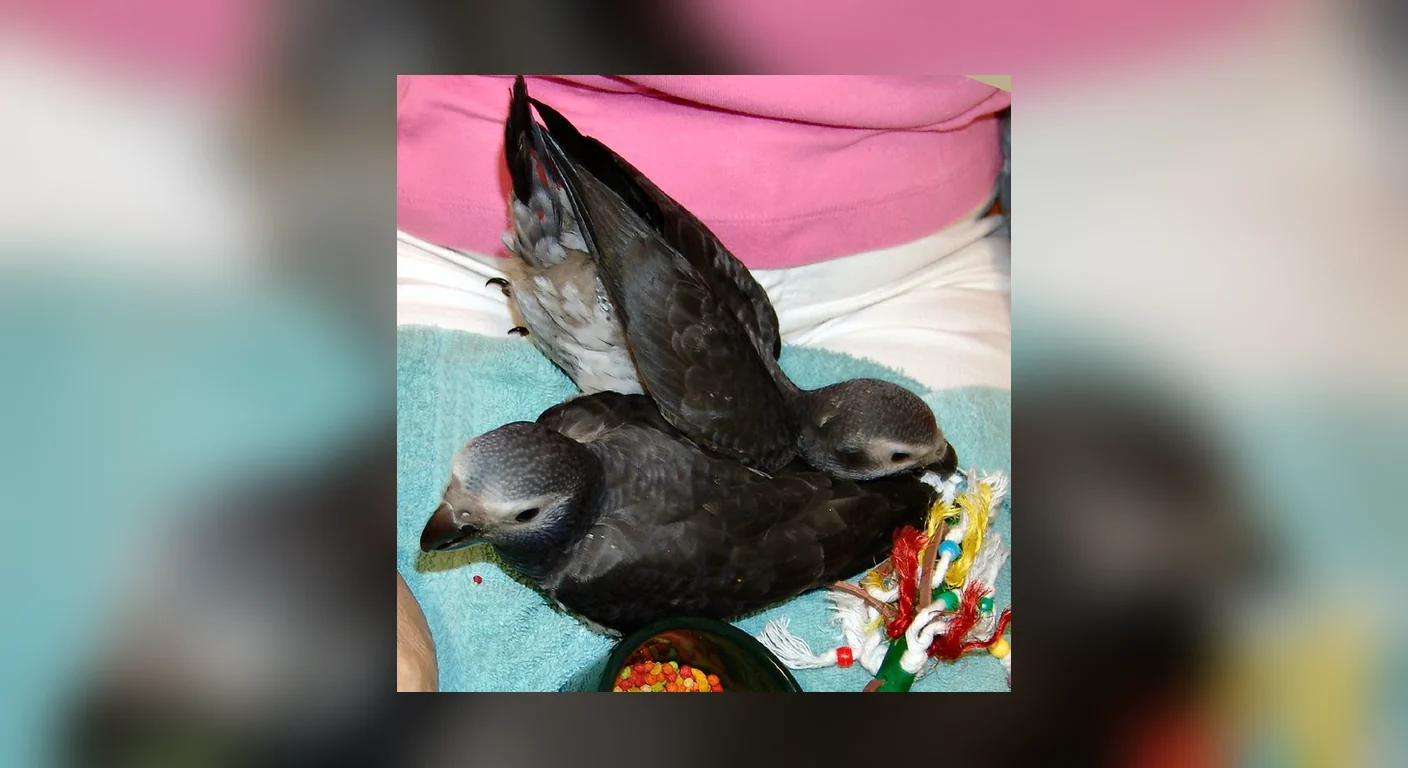
Two hand-raised Timneh African Greys are reservable at C.A.Gs today — Elad, a young male, and Evie, a young hen — both babies from our own breeding pair, Levi & Rily, here in our Midland, Texas home. Each card below opens that Timneh's own page with its photos, parentage and full paperwork, and every bird is DNA-sexed and health-screened before it travels.
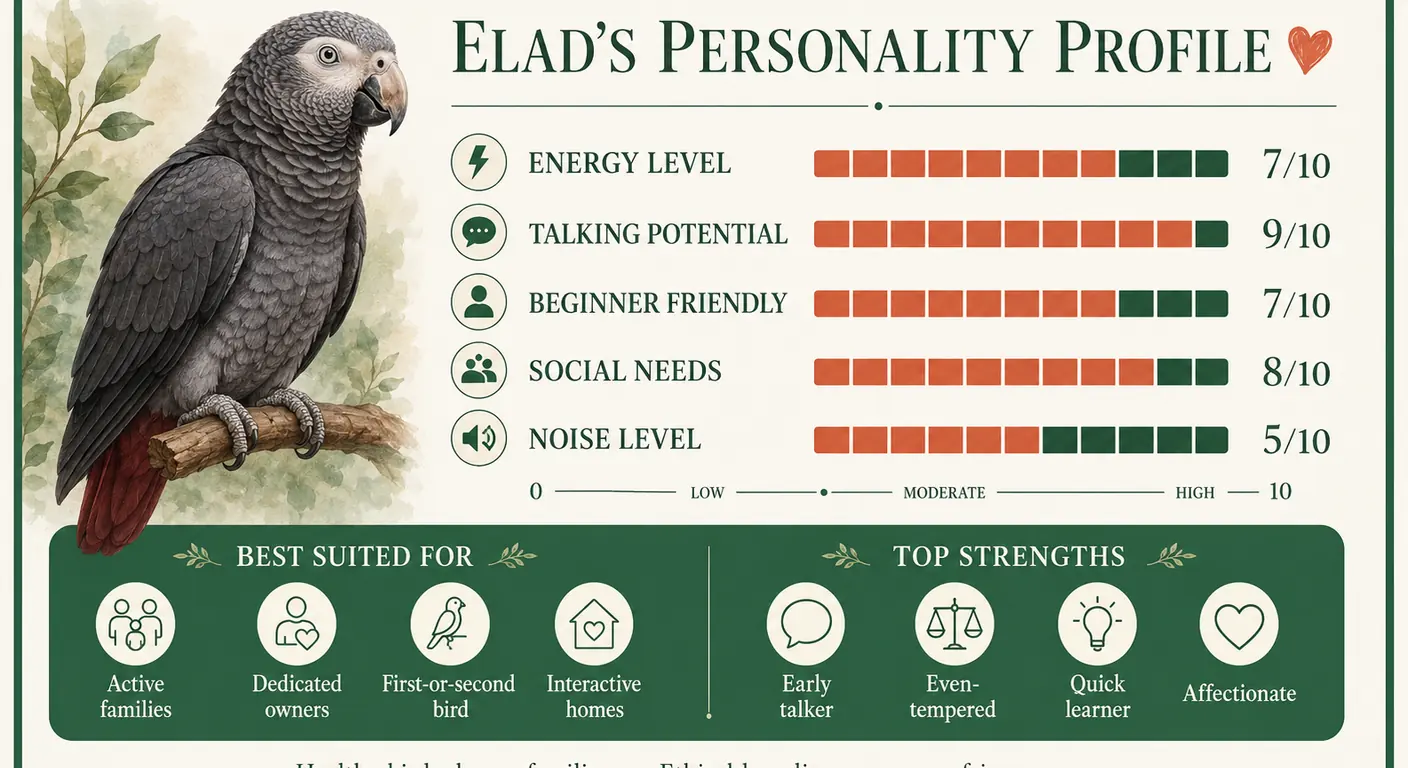
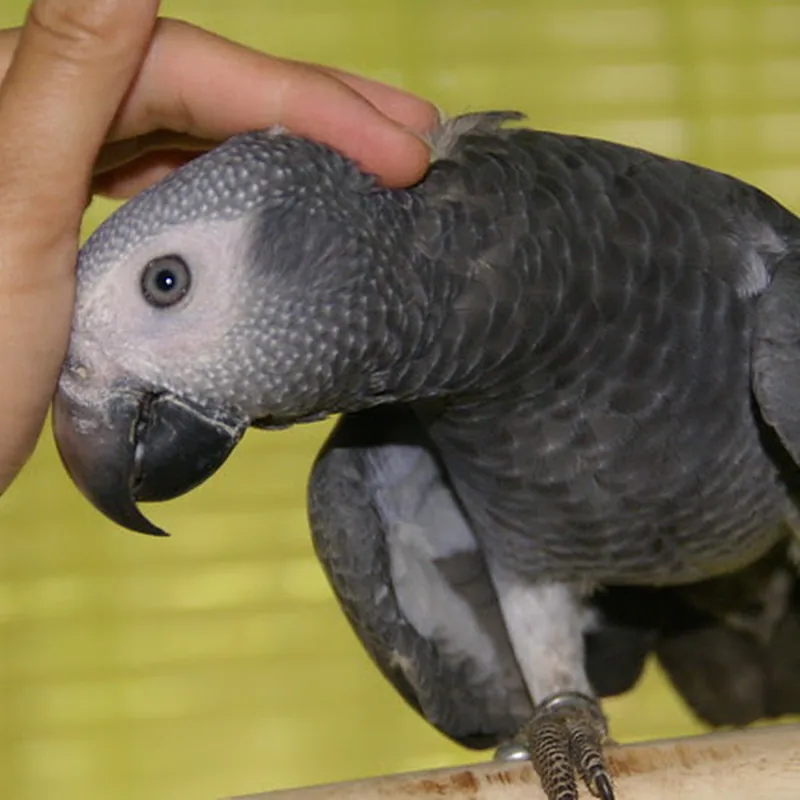 Male Elad $1,600 Confident, even-tempered young male — an early talker who bonds fast in an interactive home.
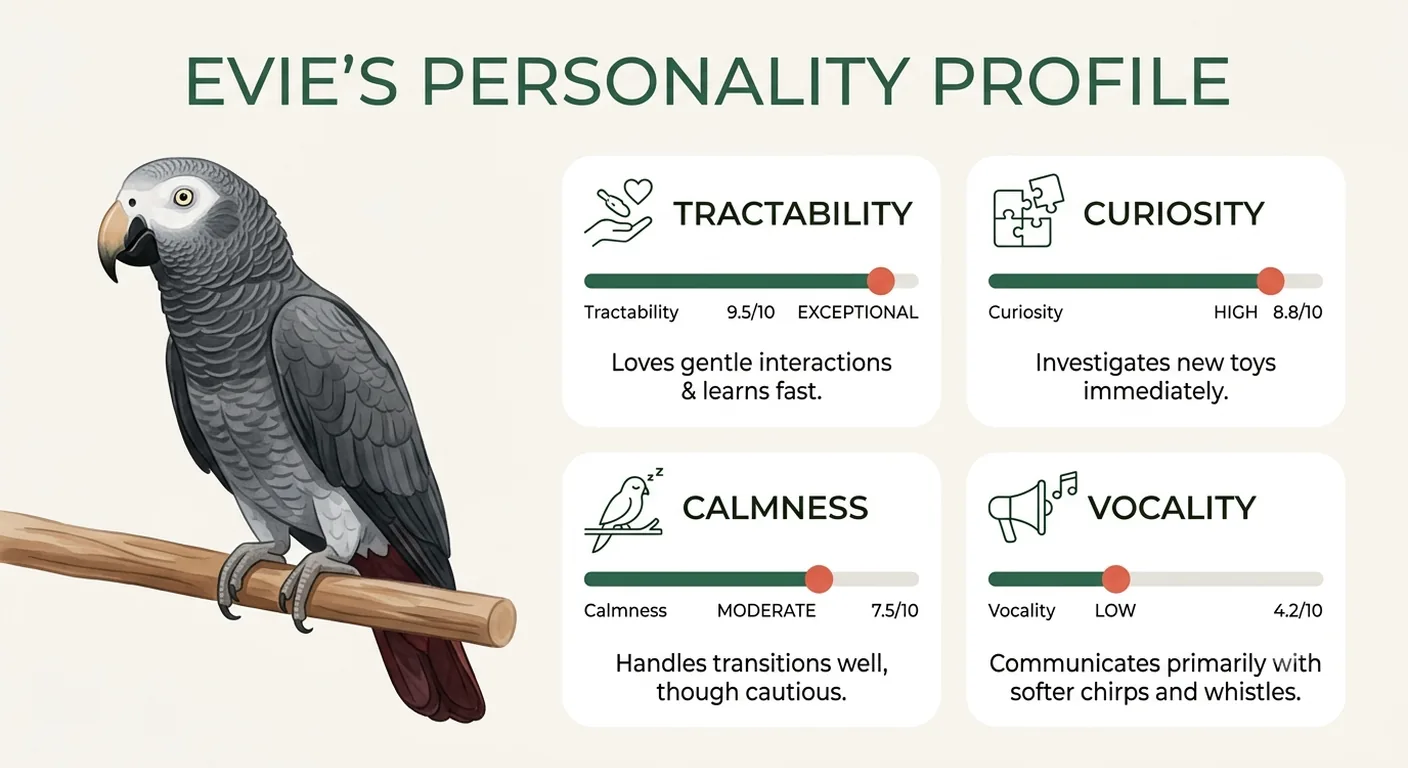
 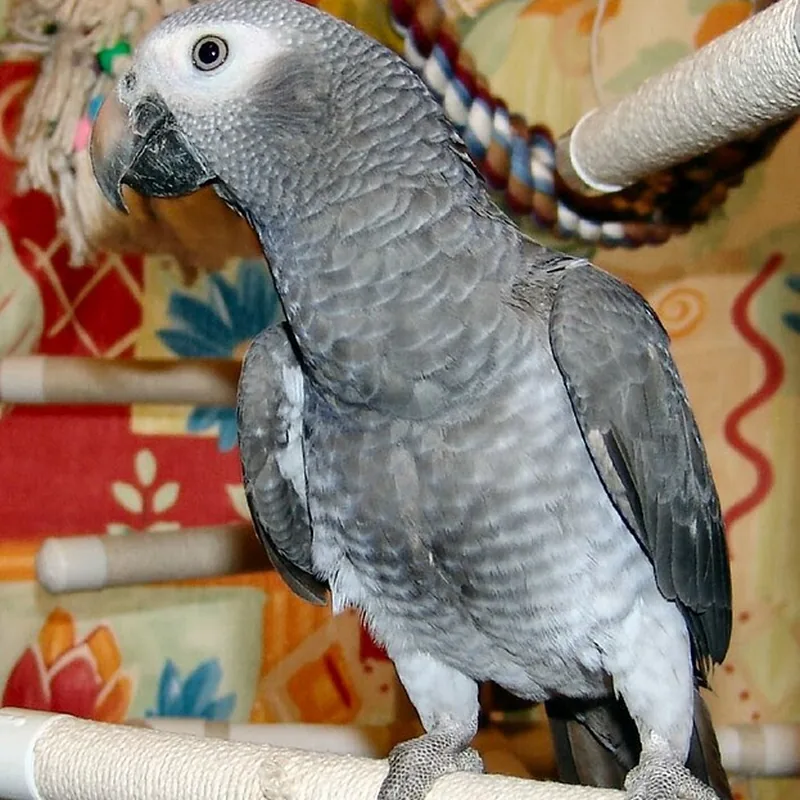 Female Evie $1,500 Gentle, tractable hen who loves quiet interaction and handles new things calmly.
 Every Timneh above is a real, reservable bird in our home · US-only shipping · $185 airport · $350 home · Local pickup in Midland, TX (within 2–3 hours)
Meet Elad & Evie, Our Available Timneh Greys
Elad is a hand-raised male Timneh we can already read like a book — confident, even-tempered and quick to step up — and Evie is a gentle, tractable hen who takes new things in stride. Because we've raised both by hand from the nursery, we can tell you their temperament rather than guess it, and we match each to the right home instead of selling a "type."
What's on Each Timneh's Listing Card?
Read a card left to right and you get sex, age, price and status at a glance, plus the US-only delivery cost sitting right there rather than sprung on you at checkout. The status word is literal, too: "available" means a bird genuinely still with us, and the moment Elad or Evie is spoken for, the card updates instead of lingering as bait.
Both Elad and Evie Come With a DNA-Sexing Certificate and Vet Health Record
You never have to take our word that Elad is a cock or Evie a hen — a DNA lab settles it, and that certificate rides home in the folder beside the avian-vet health record. Timneh cocks and hens look identical to the eye, so a lab result is the line between a seller who actually knows their birds and one who is merely hoping.
Elad (Male, $1,600) · Evie (Female, $1,500) — Real Levi × Rily Babies, Reservable Now
Elad at $1,600 and Evie at $1,500 are the actual figures off our inventory sheet, each tied to one real bird with its own profile page, both out of the same clutch from Levi & Rily. Our African Grey pricing guide is the source of truth if a number ever reads differently somewhere on the site — flag it and we'll fix the stray card.

The Two-Minute Summary Before You Buy a Timneh African Grey
Short on time? Here it is in one breath: our hand-raised Timnehs run $1,500 to $1,600, leave with DNA sexing, disease screening and CITES captive-bred papers, travel US-only for $185 to $350, and can be checked out in roughly a minute before a dollar moves. Every section that follows is just the evidence behind those five claims.
- TestingDNA + PBFD/APV PCR
- PaperworkCITES App. I · USDA
- Shipping$185 / $350 · US-only
- Reply timeWithin 24 hours
The Four Numbers That Decide a Timneh's Honesty
Whether a Timneh listing deserves your trust comes down to four figures — what it costs at the floor, what testing backs it, what documents follow it, and what shipping runs — and an honest breeder rattles them off without a pause. We've already laid all four out on the card and in the recap above, so none of them are buried in fine print.
Floor Price, PCR Testing, CITES Papers and US-Only Shipping at a Glance
Concretely: $1,500 is as low as a Timneh goes with us; each one carries DNA sexing plus PBFD and Avian Polyomavirus PCR results; the papers are CITES Appendix I captive-bred alongside our USDA license; and delivery is a flat $185 to the airport or $350 to the door, inside the US only. There's no mystery add-on waiting at the end — invented last-minute fees are precisely the trick our scam guide tells buyers to watch for.
Our Timnehs Never Drop Below $1,500 — A $750 Bird Is the Scam Tell
The arithmetic simply doesn't close under $1,500 — hand-feeding, lab work, a vet exam and paperwork all cost what they cost — so a "$750 Timneh with free shipping" is an invitation, not a deal. On a companion that may share your home for four or five decades, a price that looks too kind is usually attached to a bird that was never there.
What Makes the Timneh African Grey Such a Rewarding Companion Parrot?
A Timneh hands you the whole African Grey intellect — the problem-solving, the mimicry, the emotional depth — in a lighter, more apartment-sized body with a name for keeping its cool. We raise ours by hand toward exactly that promise, so the bird arriving at your door is already socialized to talk, forage and lean into people, rather than a spooked youngster you'll spend a year coaxing out of its shell.
Is a Timneh Really Calmer and Less Nervous Than a Congo?
Often, yes — many Timneh owners describe a bird that is more stable, more relaxed, and less prone to feather-plucking than a Congo, which is a big part of why the subspecies keeps gaining fans. We'll stay honest, though, because a good breeder should: the community is genuinely split, and a Timneh can still be a shy, sensitive little thing, so temperament is something we talk through per bird rather than promise.
What Do Timneh Owners Actually Say About Temperament?
Owner forums land on the same theme again and again — Timnehs handle change more gracefully and tend to bond warmly once they trust you. Elad, our male, is squarely in that even-tempered camp; Evie, our hen, is gentle but a touch more cautious, and we'd rather tell you that than oversell her.
Owners Often Report Timnehs Are More Stable and Less Prone to Feather-Plucking
Feather-plucking in African Greys is usually a stress and boredom response, and the common owner read is that Timnehs weather that stress a little better than Congos. That is a tendency, not a guarantee — any grey needs daily interaction and enrichment to stay whole-feathered and happy.
The Community Is Split — Some Call Them "Nervous Little Things," So We Stay Honest
For balance: right alongside the "calmer than a Congo" praise, you'll find keepers who call Timnehs "nervous little things" who are brilliant mimics but easily startled. Both experiences are real, which is exactly why we won't flatten your expectations into a slogan.
How Well and How Early Do Timneh African Greys Talk?
Timnehs are outstanding talkers who frequently start mimicking earlier than Congos, with a clearer, softer little voice that many owners find charming. Our daily handling and name-training front-load the word-to-meaning associations a Timneh needs, which is why buyers so often report first words within weeks of homecoming.
How Old Is a Timneh When It Starts Talking?
First sounds and words usually surface somewhere between six months and a year, with real fluency following over the next year or two — but no two Timnehs keep the same calendar. Speech rides on trust, so a chick talked to and handled daily from the nursery tends to open up faster than one that spent its early weeks stressed or barely touched.
How Do You Identify a True Timneh — Charcoal Body, Maroon Tail, Horn Beak?
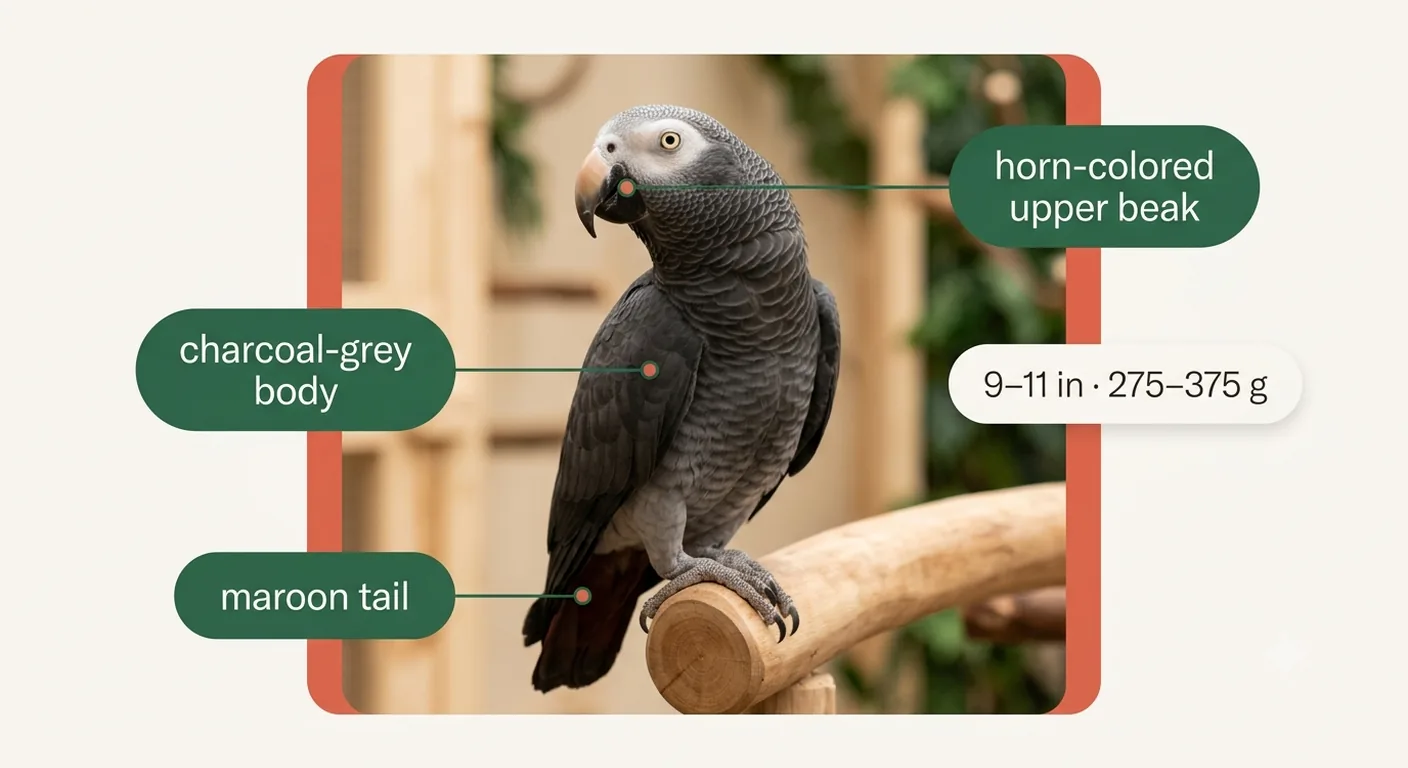
A true Timneh African Grey gives itself away the moment you know the tells: a deeper charcoal-grey body, a maroon or dark-burgundy tail where a Congo flashes bright red, a horn-colored upper beak, and a compact 9–11 inch, 275–375 gram build. Our photos on this page show every one of those marks, and holding them up against a seller's pictures is the fastest sanity check you can run.
Is a Timneh a Better First African Grey?
For many first-time grey owners, yes — the smaller size and calmer reputation make a Timneh a gentler introduction to grey ownership than a Congo. It's still a serious, decades-long commitment, so "better first bird" means better-suited, not easy; our Congo vs Timneh comparison weighs the trade-offs in full, and our Congo African Greys for sale are listed separately.
Why Do People Choose a Timneh Over a Congo?
Buyers pick a Timneh for its smaller footprint, its calmer-leaning temperament, its early, clear talking, and a lower price — all the reasons the subspecies is quietly gaining ground. None of that makes it "the lesser grey"; it makes it the right grey for a particular home, which is the only comparison that matters.
Smaller Size and a Calmer Reputation Make Timnehs a Common First-Grey Pick
At roughly two-thirds the weight of a Congo, a Timneh fits smaller spaces and feels less intimidating in the hand, which reassures first-time owners. Pair that with the calmer reputation and you have the practical case behind the Timneh's rising popularity.
Is This Timneh Breeder Legit — and How Would You Even Know?
The answer is that you check us out — and we go out of our way to make that painless, since the very tests that expose a scammer are the ones an honest breeder is glad to pass. C.A.Gs is a family aviary licensed under the USDA Animal Welfare Act, run by Mark & Teri Benjamin here in Midland, Texas, with a license you can look up, breeding pairs we name out loud, and an open invitation to video-call you with Elad or Evie before a single dollar moves.
How Do You Spot a Timneh Scam Seller?
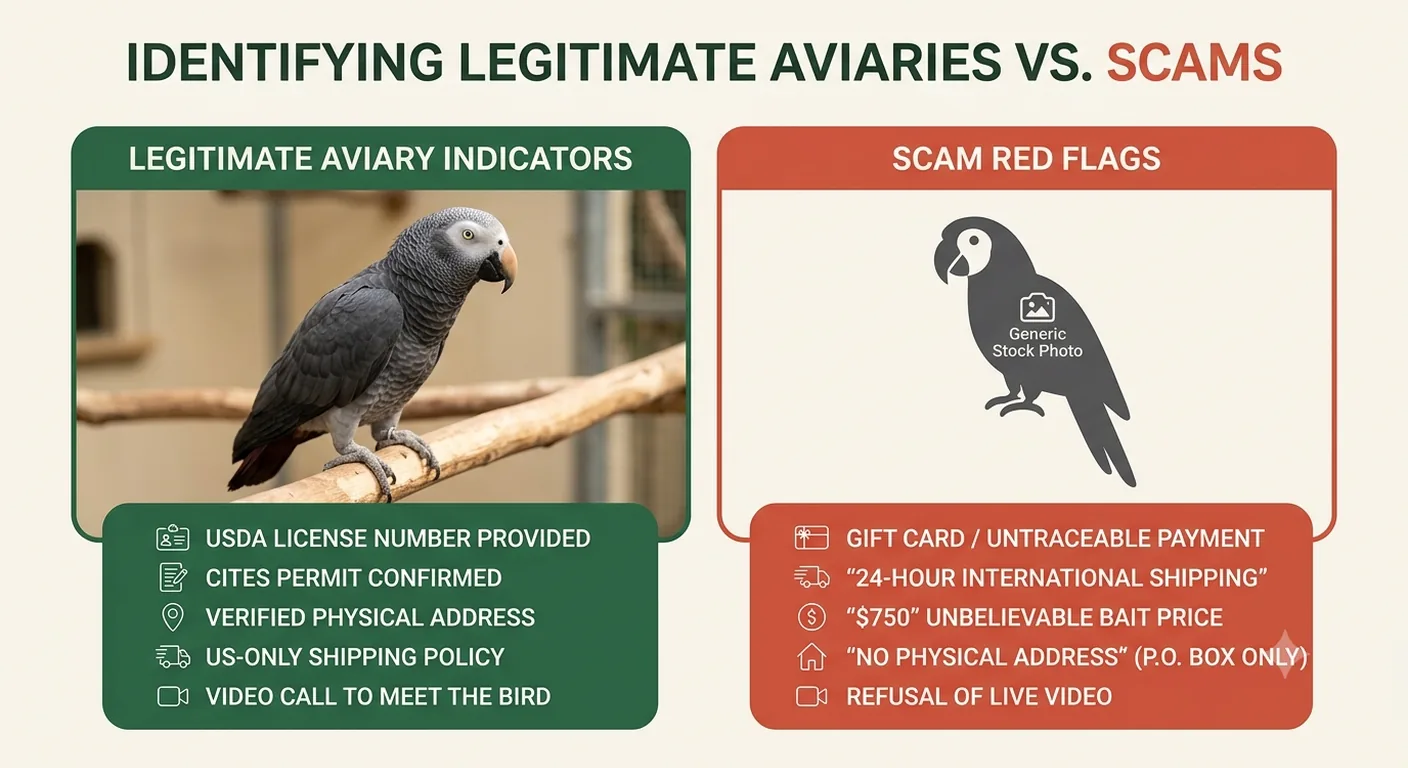
Our African Grey scam-prevention guide lays out the whole pattern, but the shape is quick to learn: a keyword-stuffed domain, photos lifted from real breeders, an address that leads nowhere, and a price no genuine bird could carry. Once you've spotted it, you'll notice it playing out in the very results this page shares.
Which Payment or Shipping Red Flags Mean You Should Walk?
Scammers trip over two things almost without fail — the way they ask to be paid and the way they claim to ship — so wire both up as alarms. The instant a payment method can't be clawed back or a delivery promise breaks the law, no adorable photo or hard-luck story should keep you at the table.
Gift Cards, "24-Hour International Shipping" and $750 Bait Prices Are Scam Signals
A seller who insists on gift cards or cash apps has picked payment rails you can never reverse — reason enough to walk. And when a first-page Timneh listing brags about "24-hour international shipping to Canada and Australia," it is promising something CITES flatly forbids for an Appendix-I parrot, so read it as a blaring alarm, not a perk.
A Page-1 Timneh Result Right Now Cloaks Real Visitors to a Bot Wall
This isn't point-scoring: one of the highest-ranking pages for "timneh african grey for sale" quietly bounces real visitors into a bot-check loop instead of ever showing a parrot, while another advertises the illegal overseas shipping described just above. We wrote this whole section because those very sites share the results page with us.
Can You Verify C.A.Gs Before You Pay? Yes — in About 60 Seconds
The fastest cure for scam nerves is a task you can finish in about sixty seconds — prove to yourself that we're real. Work through the four checks below: since we're a licensed aviary at a genuine Texas address with a named pair standing behind Elad and Evie, every check comes back clean, which is precisely the test a phantom farm can't pass.
Do this before any deposit
Run These Four Checks Before You Send Anything
- Look up the USDA licenseSearch the APHIS public database for our Animal Welfare Act license. A phantom aviary leaves you nothing to find.
- Ask who the parents areOurs are Levi and Rily, named openly on this page. A seller who can't name the pair is describing a bird they don't have.
- Get on a live video callWe'll put Elad or Evie on camera, closed band in view, while you watch — before a deposit, not after.
- Confirm the CITES recordsAppendix I captive-bred paperwork travels with the bird. Ask for the document list in writing first.
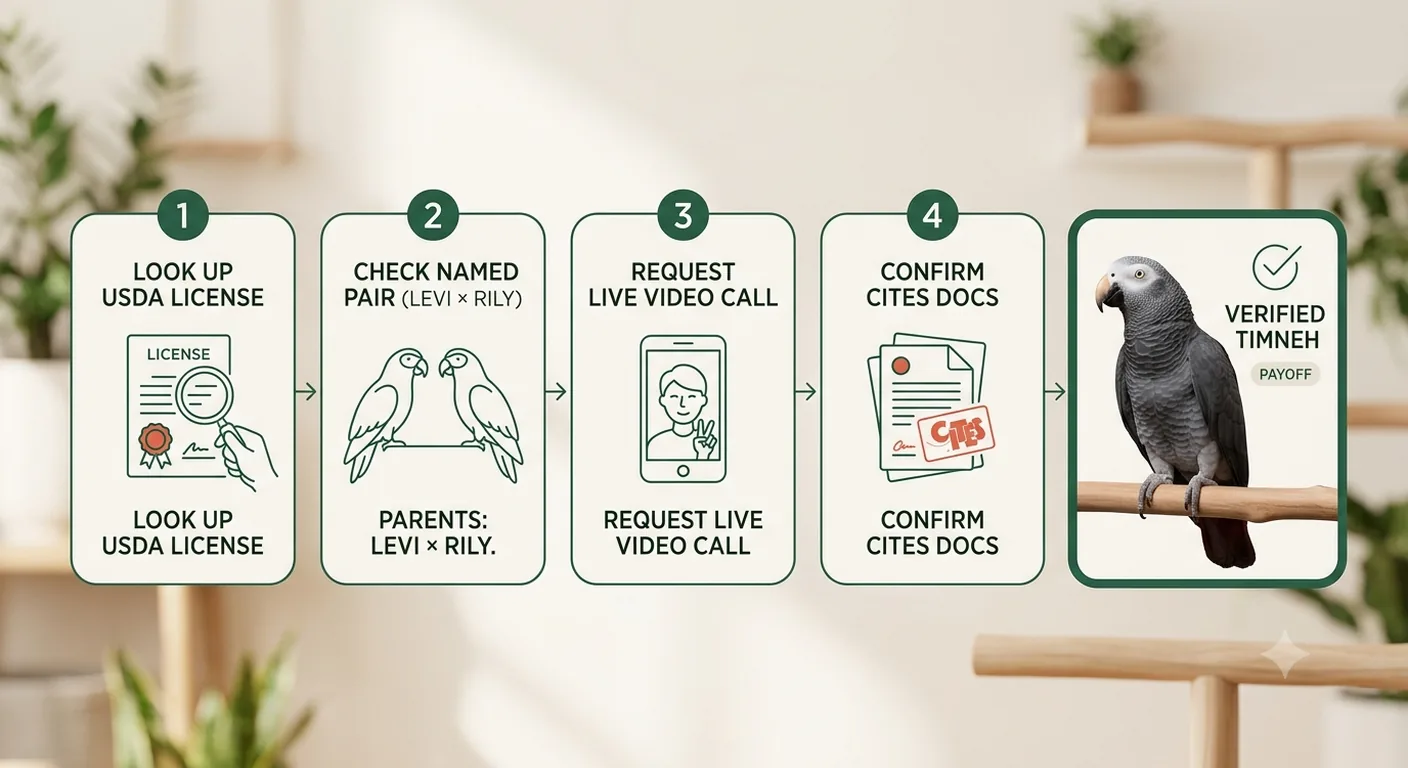
What Proof Do You Get Before Any Money Moves?
Ahead of any deposit, we hand over what a con artist simply cannot: our license particulars, a live video of the actual bird, and a written rundown of the documents that will travel with it. Proof belongs before the payment, not as a promise made afterward — that ordering is the entire idea.
A Lookup-Able USDA Number, CITES Papers, Our Midland-TX Address and a Video Call With Your Bird
None of our proof is vague: a USDA license you can look up on the USDA APHIS public search, CITES Appendix I captive-bred records, a real Midland, TX address printed on our contact page, and a live video with the very Timneh you're weighing up. Line those four up and we stop resembling any of the listings crowded around us.
We Will Video-Call You With Elad or Evie Before Any Deposit
Plainly stated: we'll hop on a live call and put Elad or Evie on camera — hopping, chattering, closed band in view — before you part with anything. When a seller refuses that on a bird worth this much, take the hint; we would rather over-demonstrate than leave you second-guessing.
Why Do Timneh African Grey Prices Range From $1,000 to $6,500?
That range looks wild until you realize the price tag isn't really on the bird — it's on everything standing behind it: the age, the months of hand-feeding, the lab and vet work, the temperament and the paper trail. A weaned, documented Timneh settles into the believable middle around $1,500 to $2,600, marked-up classified listings drift toward $6,500, and the bargain basement below the floor is where the fraud hides.
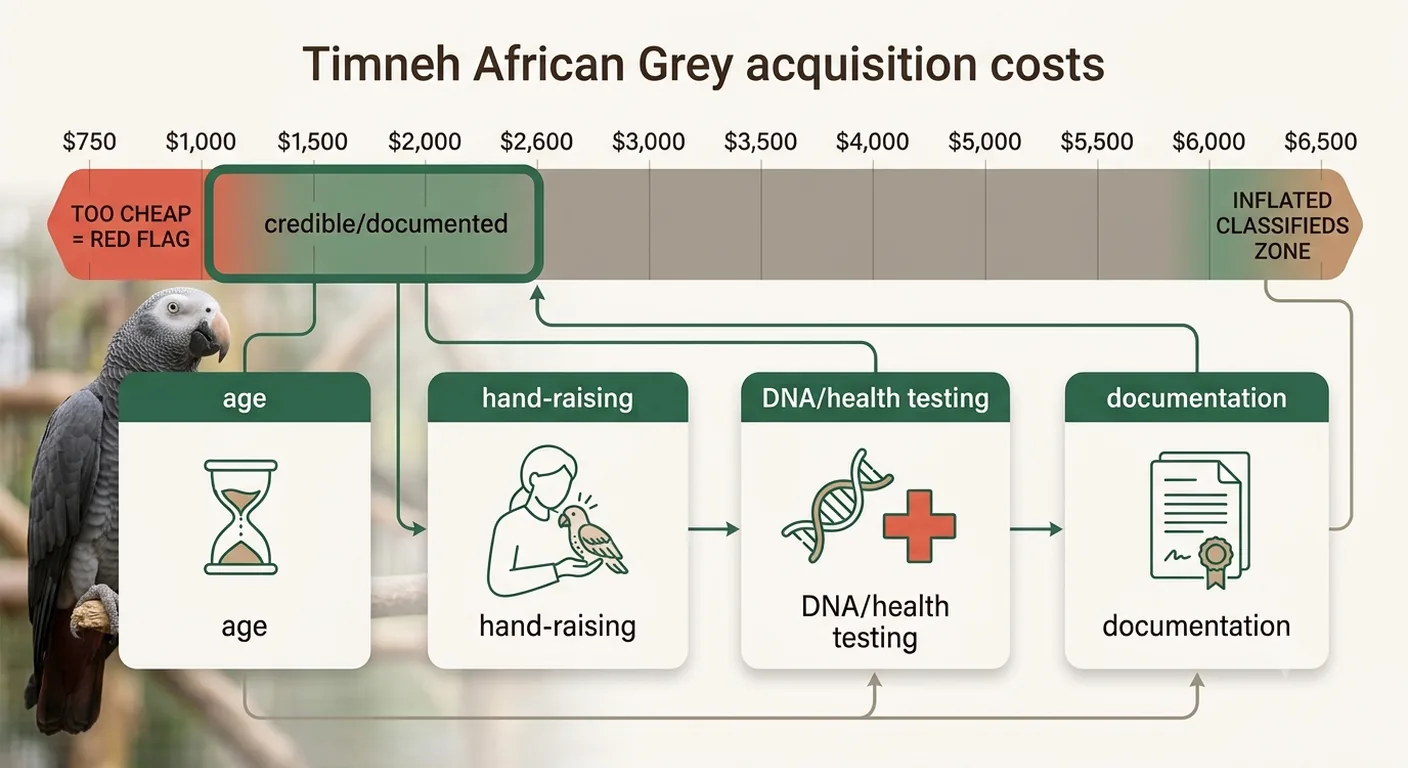
What Actually Sets a Timneh African Grey's Price?
Roughly five levers push the figure up or down: the bird's age and tameness, whether it's been DNA-sexed and disease-tested, and how thick its documentation is. A quiet, untested, paperless "Timneh" is cheap because the work was skipped; a hand-tamed, screened, fully-papered one simply carries the cost of that work.
| Timneh type | Typical price | What you're paying for | Best for |
|---|---|---|---|
| Our hand-raised babiesElad & Evie | $1,500–$1,600 | Hand-raised, tested, documented | Bond-from-day-one buyers |
| Weaned baby elsewhereTypical | $1,400–$2,600 | Varies with documentation | Depends on the breeder |
| Tame young adultEstablished | $2,600–$3,500 | Extra training + settled temperament | Buyers wanting a head start |
| Inflated classifiedAggregators | $4,000–$6,500 | Marketplace markup | Rarely worth it |
Why Is a $750 "Limited-Time" Timneh a Warning Sign?
When a Timneh is dangled at $750 under a ticking "limited-time" clock, the number itself is the tell: no one can hand-feed, DNA-test, vet-check and document a grey for that and stay in business. Our breakdown of parrot fraud shows why the urgency is deliberate — it exists to hurry you past that math before you run it yourself.
A Timneh below $1,000 is not a bargain — it is a listing that has skipped something you were going to pay for anyway. Ours sit at $1,500–$1,600, the credible floor for a hand-reared, DNA-sexed, PBFD-screened bird with CITES paperwork in the box.
Hand-Rearing, DNA and Disease Testing, Age and Paperwork Set the Real Price
Add up the actual labor and you get the actual price: weeks of hand-feeding and handling, a DNA-sexing fee, PBFD and Polyomavirus PCR panels, an avian-vet workup, and the CITES and USDA filing. Take any of that away and the number falls — and so does every safeguard that made the bird worth buying.
Our $1,500–$1,600 Timnehs Sit at the Credible Floor of the Market
Set against that whole spread, Elad and Evie's $1,500–$1,600 lands right at the honest floor — clear of the scam basement, nowhere near the classified markups. We chose it on purpose: the price reflects a documented, hand-raised bird, not a sales pitch.
What Comes in the Box When You Reserve a Timneh From Us?
Putting a deposit on a Timneh here gets you a good deal more than the parrot — it gets you the full stack of documents that keeps ownership legal and worry-free. Each bird leaves with its certificates, a closed leg band, an avian-vet health record, a care guide, a welcome kit, and our lifetime support line, because those are what turn a one-time purchase into a decades-long relationship.
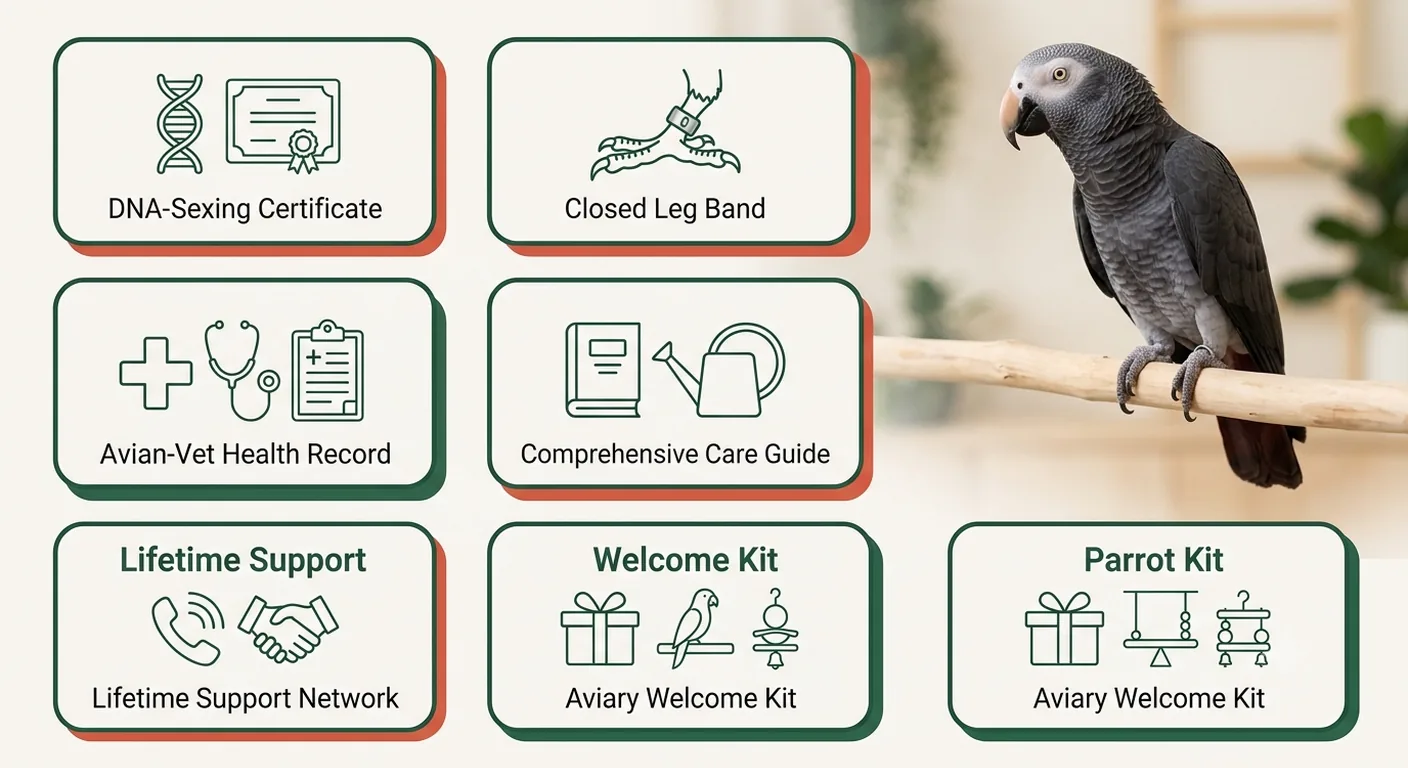
What Comes Home With Your Timneh?
Every Timneh we place ships with the same folder — and that folder is the one thing a keyword-named fraud page can never assemble. Here's exactly what travels alongside your bird:
Every Timneh Leaves With
- DNA-sexing certificateThe lab's written male-or-female result
- PBFD & Avian Polyomavirus PCRBoth core psittacine screens, negatives required
- Avian-vet health recordSigned in the days before travel
- Closed leg band + hatch recordTraces back to our aviary and the Levi × Rily clutch
- Care guide + welcome kit + lifetime supportDiet, cage setup, and our number through year one

Certificates, a Care Guide, a Welcome Kit and Lifetime Phone Support
Past the legal documents, we make sure you leave prepared: a written care guide on diet and cage setup, a welcome kit to smooth the first few days, and a direct line for the year-one questions that always surface. With us, the sale is where the relationship starts, not where it ends.
A DNA Certificate, Closed Band, Vet Health Record and Care Guide Ride Home With Each Timneh
Put simply, four papers and a band accompany every Timneh — the DNA certificate, the vet health record, the hatch record and the care guide, all under a traceable closed band. Together they're your evidence of a legal, tested, captive-bred bird, and on our side they're not optional.
How Do We Screen Every Timneh's Health, and What's the Guarantee?
Health is the arena where a breeder's ethics show, so no Timneh leaves until it has cleared a PCR disease panel and a hands-on exam from our avian vet, then heads home under a written health guarantee. We screen for the diseases that quietly gut an aviary, because a bird whose health we can't confirm is a bird we won't put on a plane to you.
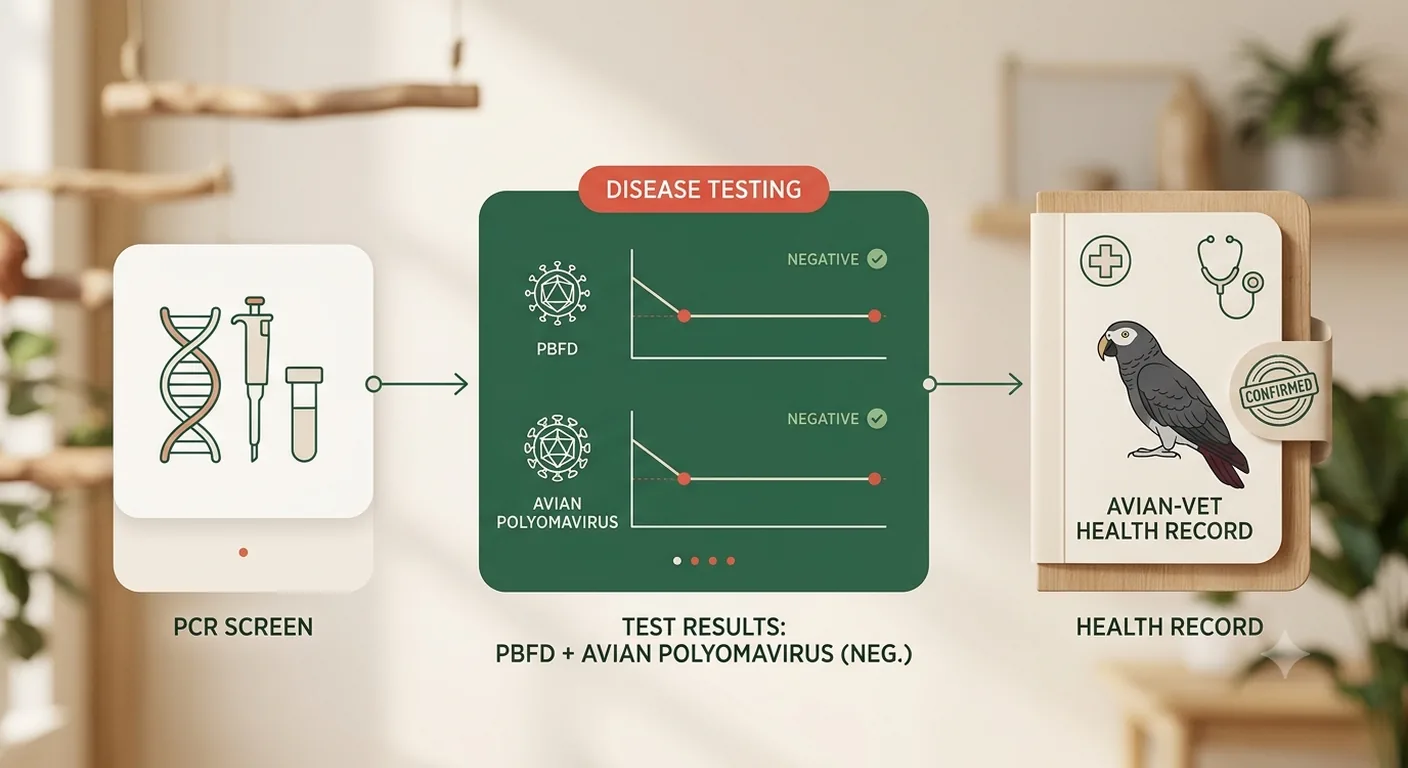
What Every C.A.Gs Timneh Is Screened For
Which Diseases Do You Screen Our Timnehs For?
Our panel covers the two psittacine heavyweights — Psittacine Beak and Feather Disease and Avian Polyomavirus — on top of a complete avian-vet exam before the bird flies. Both spread without symptoms and kill, which is precisely why we test for them instead of crossing our fingers.
Do You PCR-Test Our Timnehs for PBFD and Polyomavirus?
Yes — each Timneh runs a PCR screen for PBFD and for Avian Polyomavirus, and a negative on both is required before the bird is placed. The Association of Avian Veterinarians counts both as baseline psittacine screening, and that clinical bar — not a marketing one — is the one we hold ours to.
An Avian Vet PCR-Screens Every Timneh for PBFD and Avian Polyomavirus
Specifically, an avian vet is the one running the PCR panels and the pre-flight exam, and a written guarantee — full terms on our African Grey health guarantee page — stands behind the bird once it's yours. That backing is what separates a documented Timneh from a merely hoped-for one.
Is It Legal to Own a Timneh African Grey in the United States?
Yes — because our Timnehs are captive-bred, they're fully legal to own and move across state lines once the paperwork lines up. African Greys do sit on CITES Appendix I, and instead of skirting that fact we lead with it: Appendix I is the exact boundary between documented breeders like us and the wild-caught trade we refuse to have anything to do with.
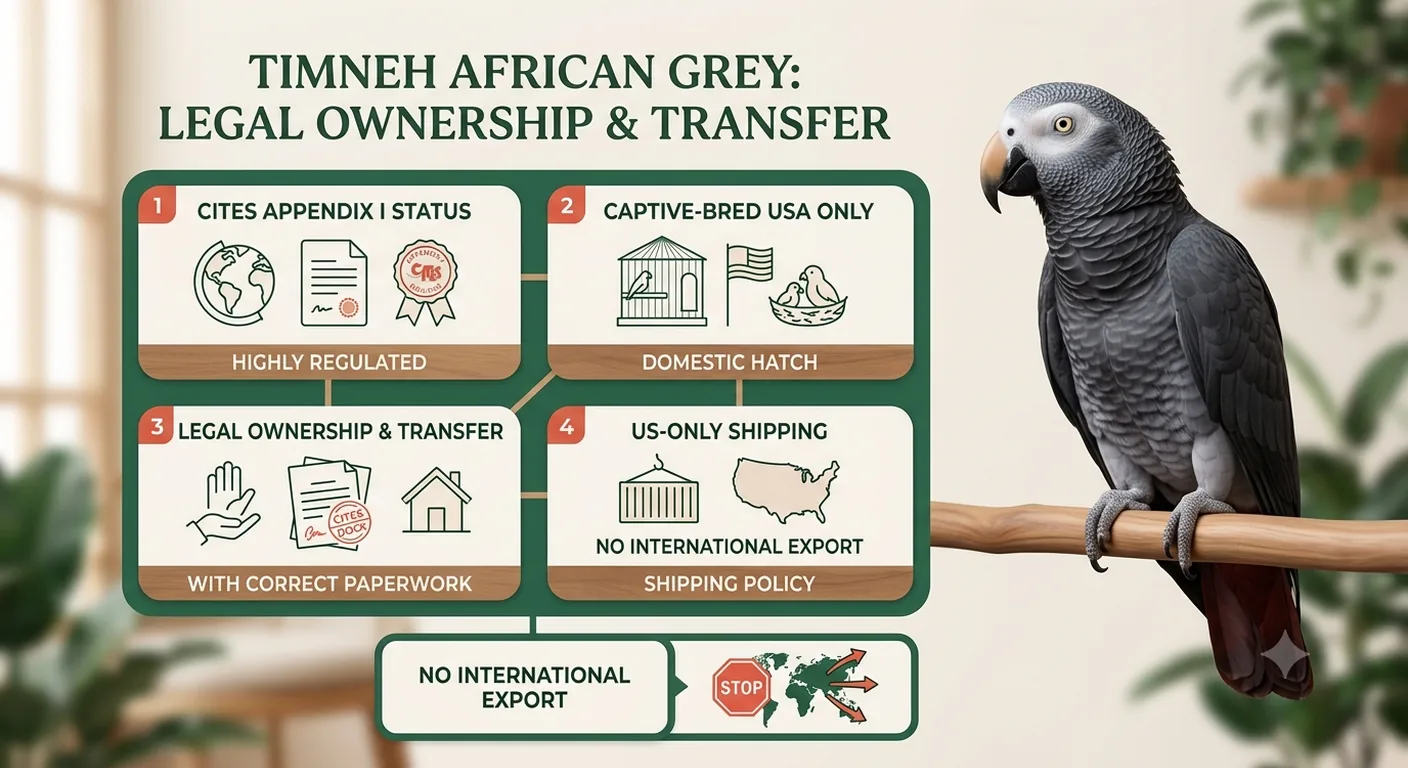
What Does CITES Appendix I Mean for a Timneh Buyer?
Appendix I is the tightest protection band CITES has, and for you as a buyer it boils down to one thing — captive-bred documentation is essential, which is why it accompanies every bird we hand over. Pair it with our USDA Animal Welfare Act license and you've got a paper trail no counterfeit listing can fake. Our captive-bred African Grey program walks through how those documents come to be.
Can a Captive-Bred Timneh Ship Legally Across State Lines?
Moving a captive-bred, documented Timneh from one US state to another is legal with the right paperwork in hand — which is precisely how ours travel. What isn't legal is the casual overseas shipment of an Appendix-I parrot, and that gap is worth remembering whenever a listing dangles "worldwide" delivery.
With Paperwork, Captive-Bred Appendix-I Greys Are Legal to Own and Rehome Inside the US
The World Parrot Trust lays out how responsible captive breeding relieves poaching pressure on wild grey populations — a line we never cross: every Timneh we sell hatched in the USA from captive parents and travels legally within the country carrying its CITES and USDA records. Our CITES documentation guide steps through each record.
We Ship US-Only — Anyone Offering "24-Hour Delivery to Canada or Australia" Is Breaking CITES Law
To be unmistakable about it: we don't ship Timnehs abroad, period. The African Grey was moved up to CITES Appendix I at CoP17, with the stricter rules landing in January 2017, so any seller breezily promising "24-hour international shipping to Canada or Australia" is advertising something the Convention outright bans — a scam tell wearing the costume of a service.
How Does a Timneh African Grey Travel to You, and What's the Cost?
Timnehs go out on two straightforward tiers — $185 to the airport nearest you or $350 all the way to your door — and anyone inside a 2–3 hour drive of Midland we'll nudge toward a gentle in-person pickup instead. Each bird flies US-only on IATA live-animal cargo with its document folder aboard, and we lock in the carrier and the arrival window with you before it ever leaves the aviary.

Which Delivery Option Fits You, and What Does Each Cost?
Pick whichever tier suits you: an airport pickup on Delta, United or American runs $185, while a climate-controlled home delivery is $350. Either way the health certificate and paperwork are already tucked in the folder, so homecoming day is spent settling your bird in rather than hunting for documents.
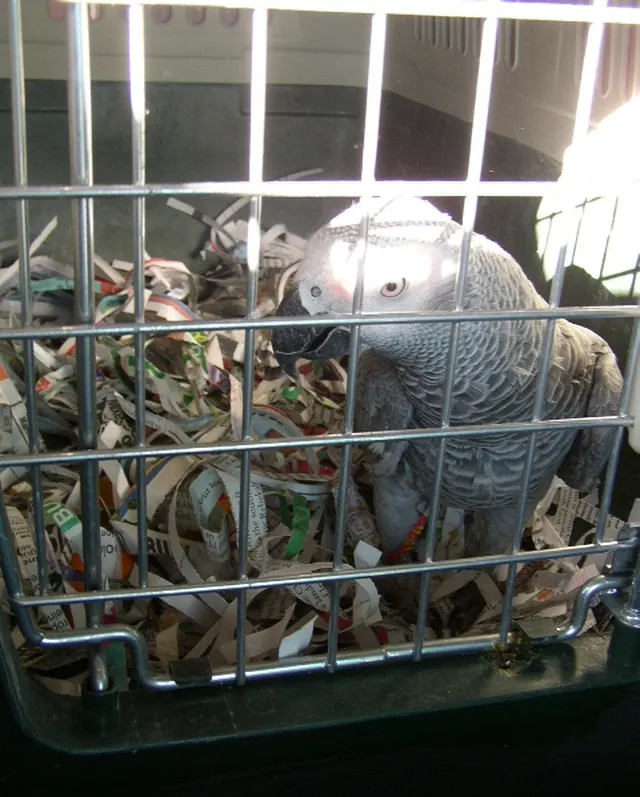
Your Timneh rides IATA live-animal cargo on Delta, United or American to the nearest major airport

A climate-controlled pet courier brings your Timneh and its document folder straight to your doorstep
Can You Collect a Timneh in Person Rather Than Ship?
Absolutely — collecting your Timneh at our Midland, TX aviary is the softest possible handoff, and it's open to anyone who can make the 2–3 hour drive. Coming in person also lets you run, face to face, the very verification this whole page has been walking you through.
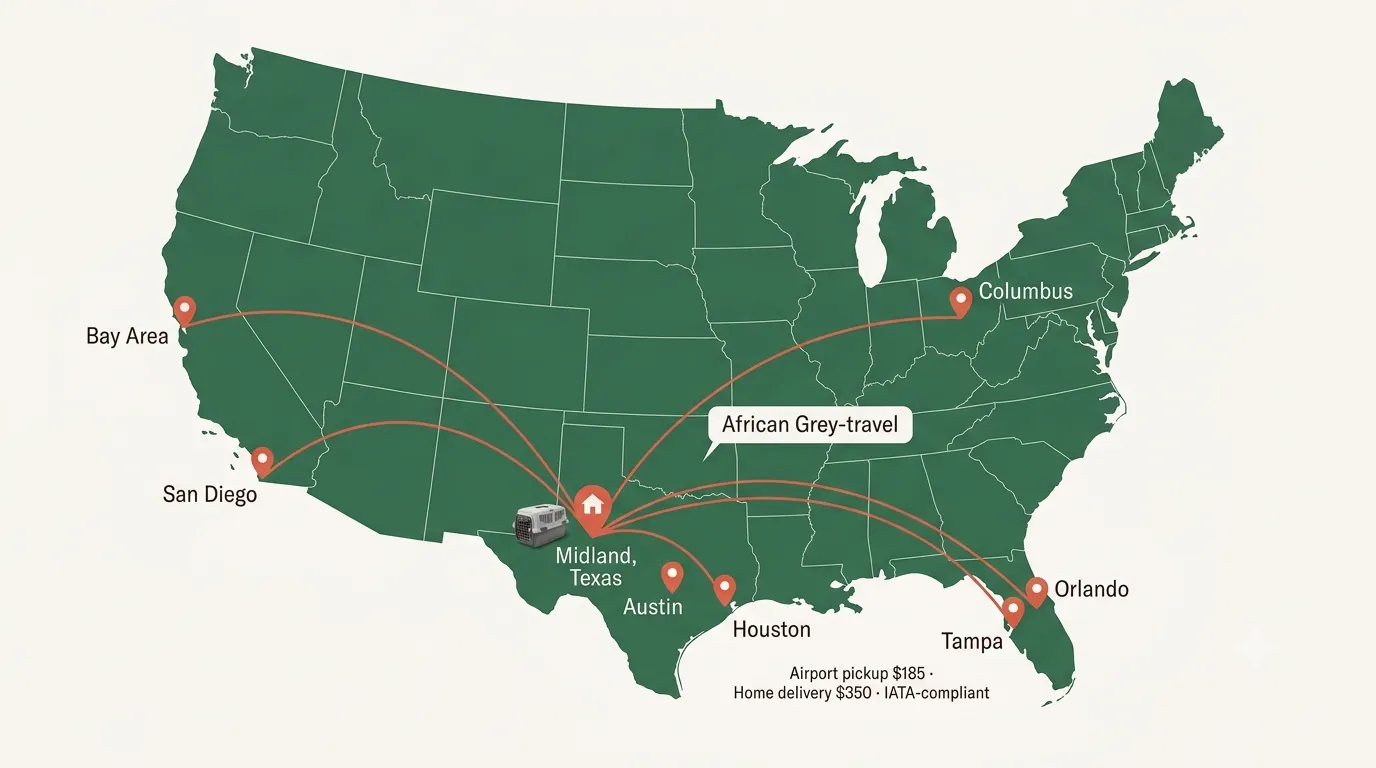
Airport Cargo Runs $185 and Door Delivery $350 on Delta, United or American
One more time, plainly: $185 for the airport, $350 for your door, every flight US-only on IATA-approved carriers — Delta, United or American. Those lanes reach most of the places our Timnehs land, and each card below opens that region's availability page:
US-only shipping · $185 airport · $350 home
What Does It Cost to Care for a Timneh African Grey Every Month?
Beyond the purchase price, a Timneh African Grey costs most families roughly $60–$150 a month once you add food, fresh produce, toys and a vet fund — less than a Congo eats, but a real, ongoing budget over a 40–50 year life. Getting the diet and enrichment right from day one is the cheapest health insurance there is for a bird this long-lived.
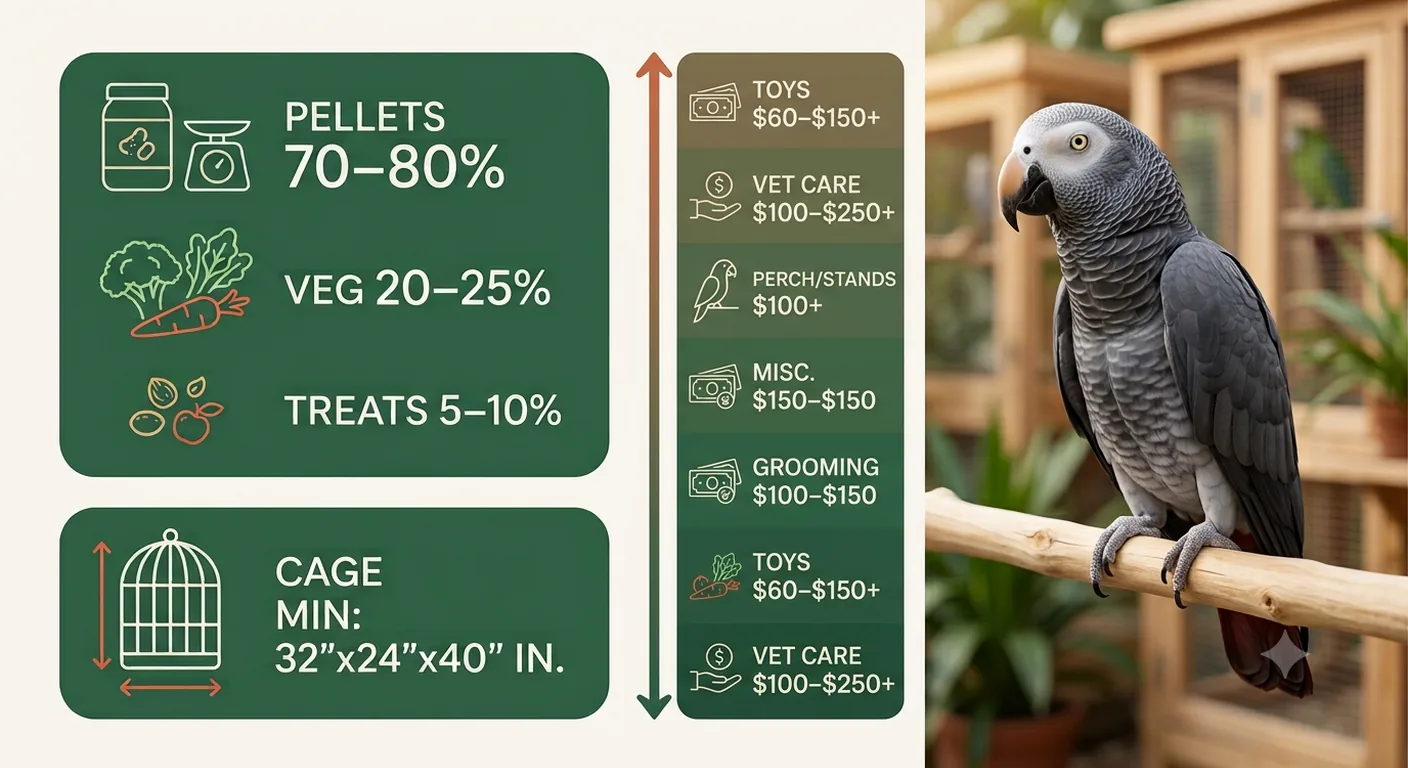
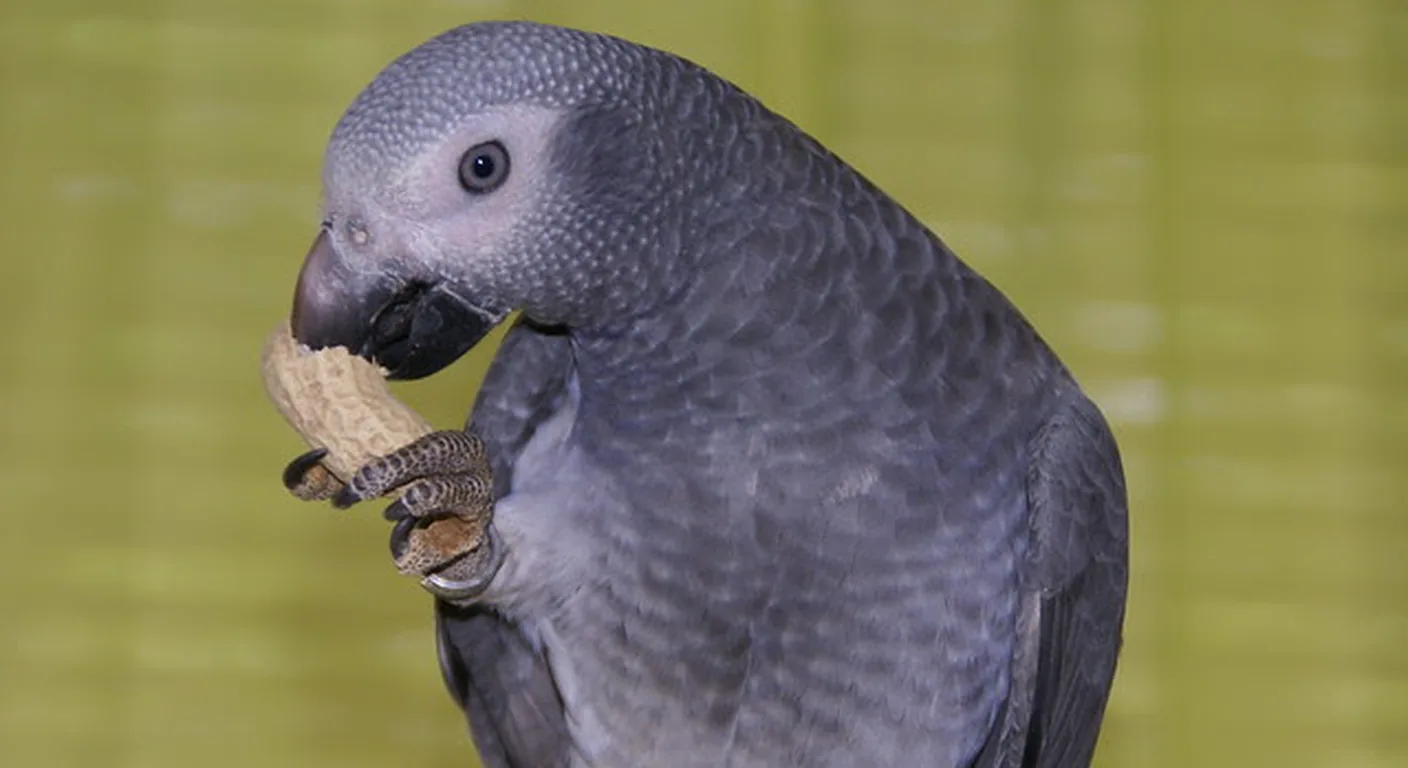
What Do Timnehs Eat, and How Much Room Do They Need?
A thriving Timneh lives on a base of quality pellets with daily fresh chop, keeping nuts and fruit as treats, inside a cage no smaller than 32 by 24 by 40 inches and with several supervised hours out of it each day. Feed and engage one well and you get a sweet companion; leave it bored or on a seed-only diet and you get the screaming and plucking that fills rescue waitlists.
What's Daily Life With a Timneh African Grey Really Like?
Sharing a home with a Timneh African Grey is a bit like living with a witty, strong-willed housemate who never fully grows up — deeply rewarding, and honestly a fair amount of work. We raise ours to fold into family routines, but a Timneh still needs daily company, real mental challenge and a varied fresh diet to stay content across a 40-to-50-year life.
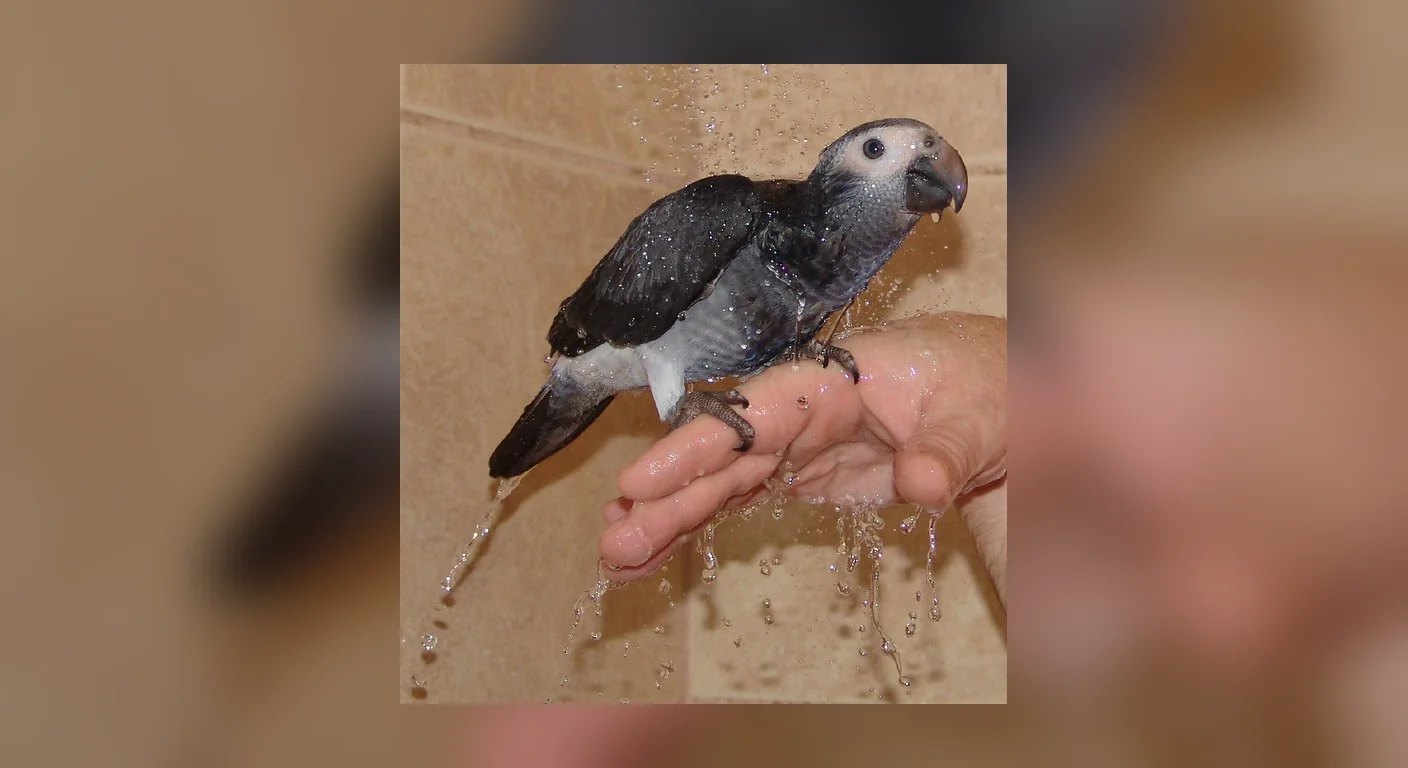
How Many Hours and How Much Enrichment Does a Timneh Need?
Budget several hours a day out of the cage with genuine engagement, and keep a rotation of foraging toys and puzzles going to occupy that oversized brain. Timnehs are social down to the bone, so that time together isn't a bonus — it's what stands between a chatty, fully-feathered bird and a frustrated one.
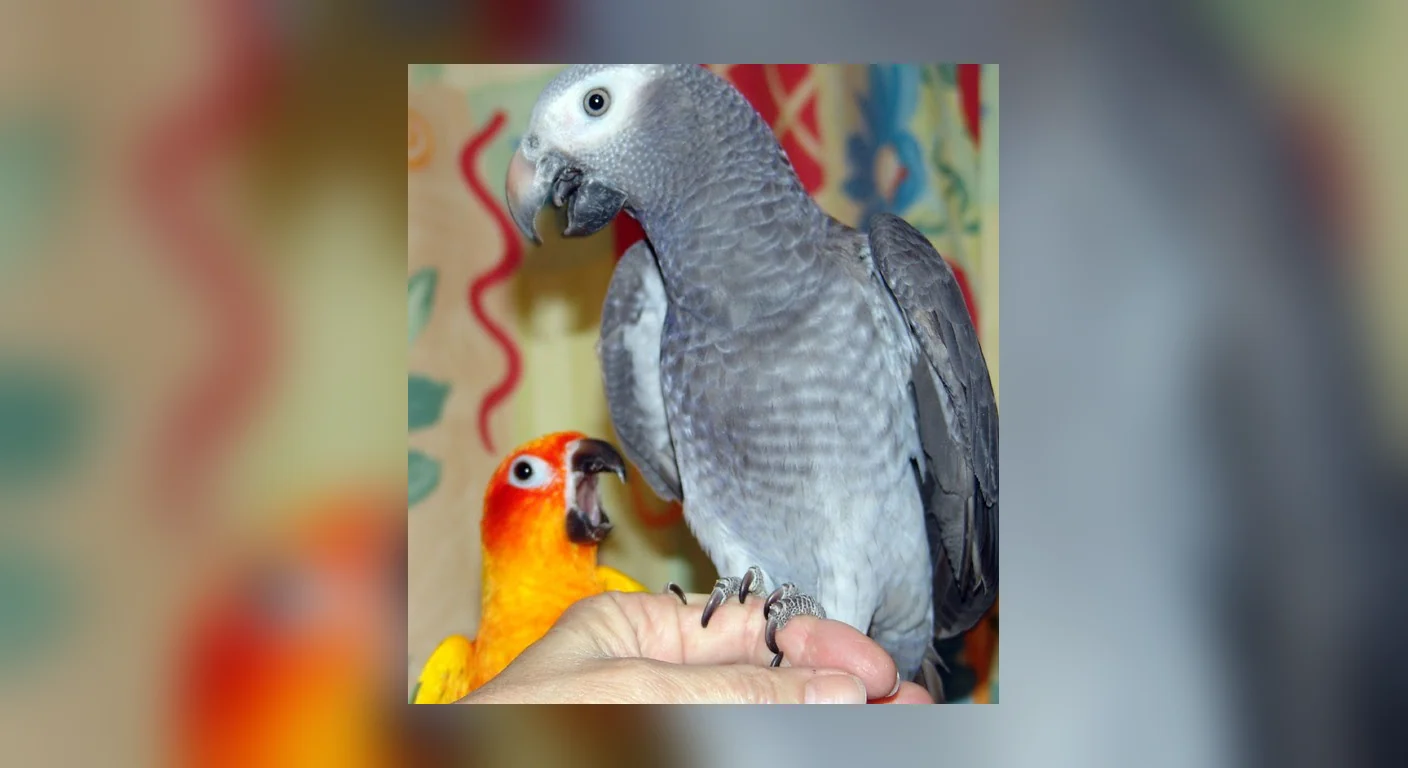
Curious About Timneh African Grey Eggs? Read This First.
If you searched for Timneh African Grey eggs, here's the honest breeder answer up front: we don't ship loose fertile eggs to hobby incubators, and you should be very wary of anyone who does. Most "parrot eggs for sale" listings are outright fraud, and even a genuine fertile egg has slim odds of hatching and surviving outside an experienced hand-feeding setup.
Why We Don't Ship Loose Fertile Timneh Eggs
Shipping vibration, temperature swings and incubation error kill far more eggs than they ever hatch, so selling loose Timneh eggs would trade a living bird's odds for a quick sale — something we won't do. Our own scam guide lists "parrot eggs for sale" as a classic red flag for exactly this reason, and our African Grey egg page explains the incubation reality in full.
What Should You Reserve Instead of an Egg?
If you want a Timneh, reserve a hand-raised, weaned chick like Elad or Evie rather than an egg — you get a socialized, documented bird instead of a gamble. It's the same instinct that makes egg listings tempting (getting in early), pointed at an outcome that actually works.
A Weaned, Hand-Raised Timneh Chick Beats Any Shipped Egg for Survival
A weaned Timneh has already cleared the fragile hatch-and-hand-feed stage that ends most eggs, and it arrives with its testing and paperwork done. That's why we point egg-searchers toward our available birds — the survival odds and the documentation aren't close.
Prefer a Congo African Grey Instead?
If you're weighing the bigger, red-tailed grey, we raise those too — a Congo is larger, with the headline hundred-plus-word vocabulary, while a Timneh is smaller, maroon-tailed, calmer-leaning and often an earlier talker. Neither is "better"; the right pick is about your home, and here's the fast version before you dive into the full comparison.
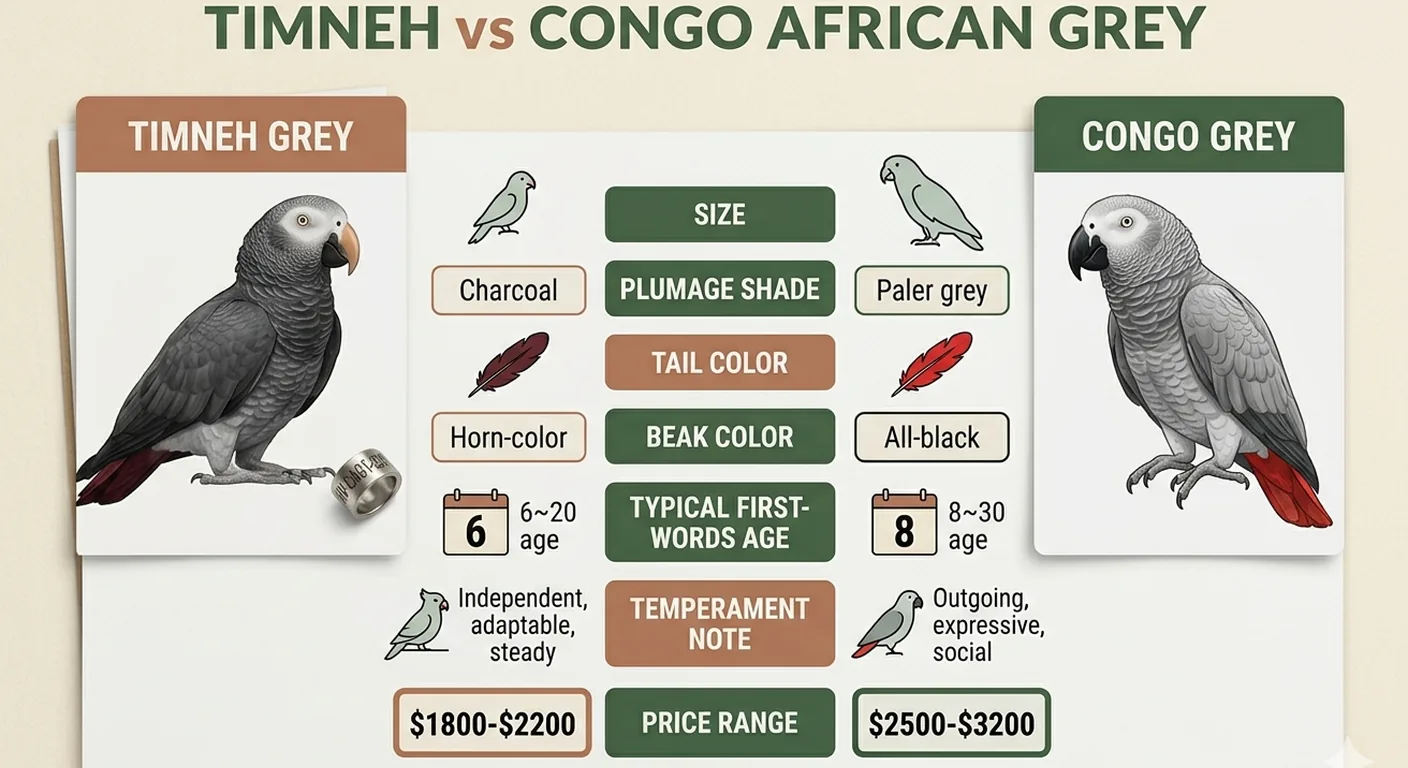
How a Congo Differs From a Timneh at a Glance
Two quick cards tell most of the story — reach for the full Congo vs Timneh comparison for the deep dive, or browse our Congo African Greys for sale if the bigger grey is calling you.
 Congo
Congo - 12–14 in · 400–500 g
- Bright red tail · black beak
- Headline talker · can be more nervous
- From $1,700
 Timneh
 - 9–11 in · 275–375 g
- Maroon tail · horn beak
- Early, clear talker · calmer-leaning
- From $1,500
Which Families Have Bought a Documented Grey From Us?
Documented C.A.Gs greys now live with families in every corner of the country, and a couple of those families put it better than we can — each bought without meeting the bird first, and each saw the shipping and paperwork unfold exactly as promised here. You'll find dozens more first-hand accounts, photos included, on our African Grey reviews page.
 Richard WoodardWinter Haven, FL · Verified C.A.Gs buyer★★★★★
"At first I was hesitant about buying a bird online, but C.A.Gs made the process stress-free. They provided detailed care instructions and my parrot arrived in perfect condition. My Congo African Grey is now the star of our family, talking and entertaining us daily."
 Archie O'BrienFarmingdale, NY · Verified C.A.Gs buyer★★★★★
"Finding a healthy and well-socialized female Congo African Grey was important to me, and I'm so glad I chose C.A.Gs. The entire experience was professional, transparent, and reassuring from start to finish. My Congo Grey is beautiful, affectionate, and already showing an amazing personality. I highly recommend C.A.Gs to anyone looking for a quality Congo Grey parrot."
Real Families, Real Papered Grey Parrots
The thread running through all of these stories is the exact paper trail your Timneh will carry — a DNA certificate, health records, CITES documentation — because a genuine outcome can only begin with a genuine, documented bird. We never invent a review, so whatever count you see here is the real one.
More to Read Before You Reserve — Our Timneh Buyer Guides
Ahead of a deposit, these reads dig further into the questions this page opens up — how to spot a scam, how to choose between a Congo and a Timneh, what your money actually buys, and the paperwork that makes a bird legal. Each was written here in our own aviary, not churned out by a content mill.
 Scam guide How to avoid African Grey parrot scams How to read a fake Timneh listing — and why the cheapest ones fall apart fastest. Read the guide →
 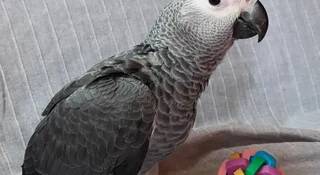 Which grey Congo vs Timneh African Grey Which grey suits your home — the calmer Timneh or the bigger Congo, weighed point by point. Read the guide →
  Legality CITES documentation, explained What Appendix I paperwork looks like when a legal, captive-bred grey travels home. Read the guide →
  Pricing African Grey price — what you actually pay for Where the $1,500 floor comes from, and why a sub-$1,000 grey should scare you off. Read the guide →
 Also from our aviary
Adults kept back for breeding are placed with both certificates and their own paperwork, whenever a producing pair becomes available.
The larger Congo equivalent is documented and listed on its own page, for keepers who are not set on the smaller species.
The Questions Buyers Ask Us Most About Timneh African Greys
For care and ownership questions well past the point of sale, our full African Grey parrot FAQ has you covered; what follows are the questions Timneh buyers actually email us — cost, legality, talking, temperament, lifespan and shipping — each answered the way we'd answer it if you called.
How much does a Timneh African Grey cost?
Our hand-raised Timneh African Greys are $1,500 for Evie and $1,600 for Elad, held with a $200 refundable deposit. Nothing here is priced under $1,500 — a healthy, DNA-sexed, captive-bred Timneh costs real money to raise, test and document, so a $750 'limited-time' Timneh is about as loud a warning sign as this market produces.
Is it legal to buy a Timneh African Grey in the USA?
Yes. The Timneh carries a CITES Appendix I listing, but captive-bred birds are legal to own and rehome within the United States as long as the paperwork is in order. Ours all hatched in Texas from captive parents — never wild-caught — and travel with CITES captive-bred records plus a USDA-licensed breeder's paper trail. We keep shipping domestic, because a legitimate seller doesn't offer to send an Appendix-I bird overseas.
Do Timneh African Greys talk as well as Congos?
Yes — Timnehs are every bit as intelligent as Congos and often start mimicking a little earlier, with a clearer, softer little voice. They tend to build a slightly smaller vocabulary than a Congo's headline hundred-plus words, but they use it in context, and because we hand-raise and socialize ours daily, they associate words with people and objects from the start.
Are Timneh African Greys calmer, and good for first-time owners?
Many owners describe Timnehs as more stable and less prone to the nervousness and feather-plucking that can affect Congos, which is why they're a common first-grey pick. We'll be honest, though — the community is split, and some Timnehs are shy little things. Either way a Timneh is still a 40–50 year commitment that needs daily interaction, so we match the bird to the home rather than sell a stereotype.
How long do Timneh African Greys live?
In good care a Timneh African Grey usually lives 40–50 years, occasionally longer, which makes buying one a multi-decade commitment far closer to raising a child than picking up a pet. That long horizon is exactly why we put the work into healthy, well-socialized birds — they'll be family for decades.
Can a Timneh African Grey be shipped safely?
Yes — a reserved Timneh travels US-only on IATA live-animal cargo via Delta, United or American, $185 to your nearest airport or $350 delivered climate-controlled to your door. Within a 2–3 hour drive of Midland, Texas, an in-person pickup is the kindest route, and either way the bird carries its full document folder and health certificate.
Do you sell Timneh eggs, and would hatching one save money?
We do not sell them, and the saving is smaller than it looks once you count properly. Timneh clutches are modest and we would rather put every viable egg under a parent or into our own brooder than post it, because a Timneh that arrives calm and steady got that way from being handled early, not from being incubated well. Anyone quoting you a price for a Timneh egg is also asking you to accept the one purchase that cannot be inspected: no video call, no weight chart, no vet certificate, nothing to look at until it either hatches or does not.
Do you have Timneh breeding pairs available?
Occasionally, and far less often than Congo pairs, which is worth knowing if you are planning an aviary around the smaller species. Timneh breeding stock moves slowly in the United States — fewer are kept, fewer are produced, and pairs that are already producing rarely change hands at all. When we do have adults to place they are listed with both DNA certificates and their own CITES paperwork rather than folded into the baby listings above. If you are set on Timneh specifically, say so early; the wait is usually the constraint rather than the price.
What's included when I reserve a Timneh African Grey?
Each Timneh arrives with a DNA-sexing certificate, a closed leg band, an avian-vet health record, PBFD and Avian Polyomavirus PCR results, a care guide, a welcome kit, and our lifetime support line — precisely the stack of documentation a fraudulent listing could never pull together.
Reserve · 24-hour reply
Ready to Bring Home Elad or Evie? Reserve Your Timneh
Let us know whether it's Elad or Evie you're drawn to and how you'd like your Timneh to travel, and we'll write back within 24 hours with a straight read on availability — including a plain "not yet" if that's the truth. A $200 refundable deposit holds your bird, or line up a video call first so you can meet it before deciding.