
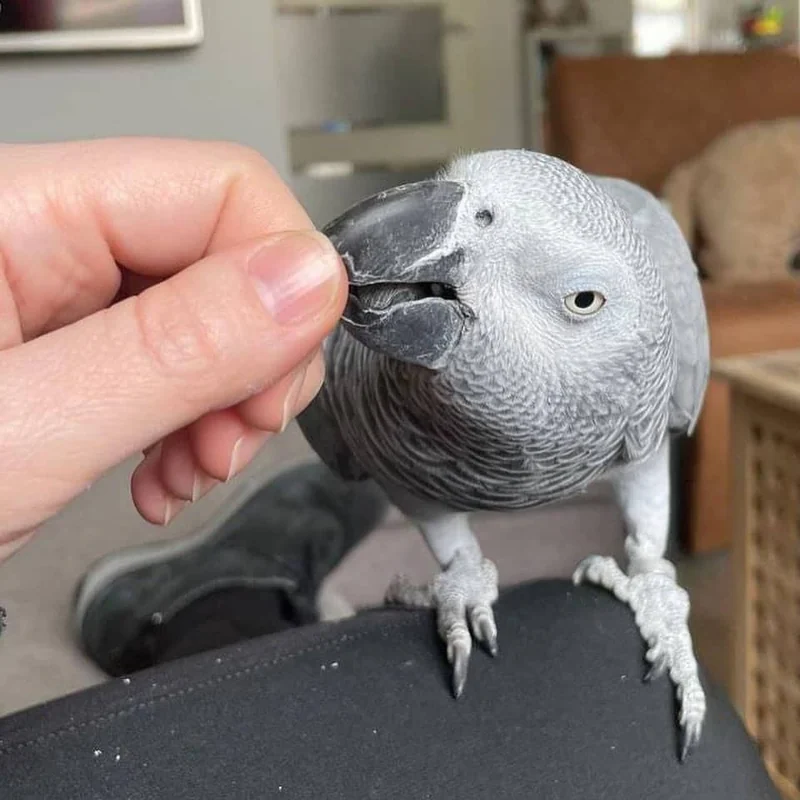
 Congo
Congo Bery
$1,700Grown hen, past weaning and past the settling wobbles a younger bird still has ahead.
Congo Hen Papers included
Ships nationwide · $185 airport · $350 home
Ask about Bery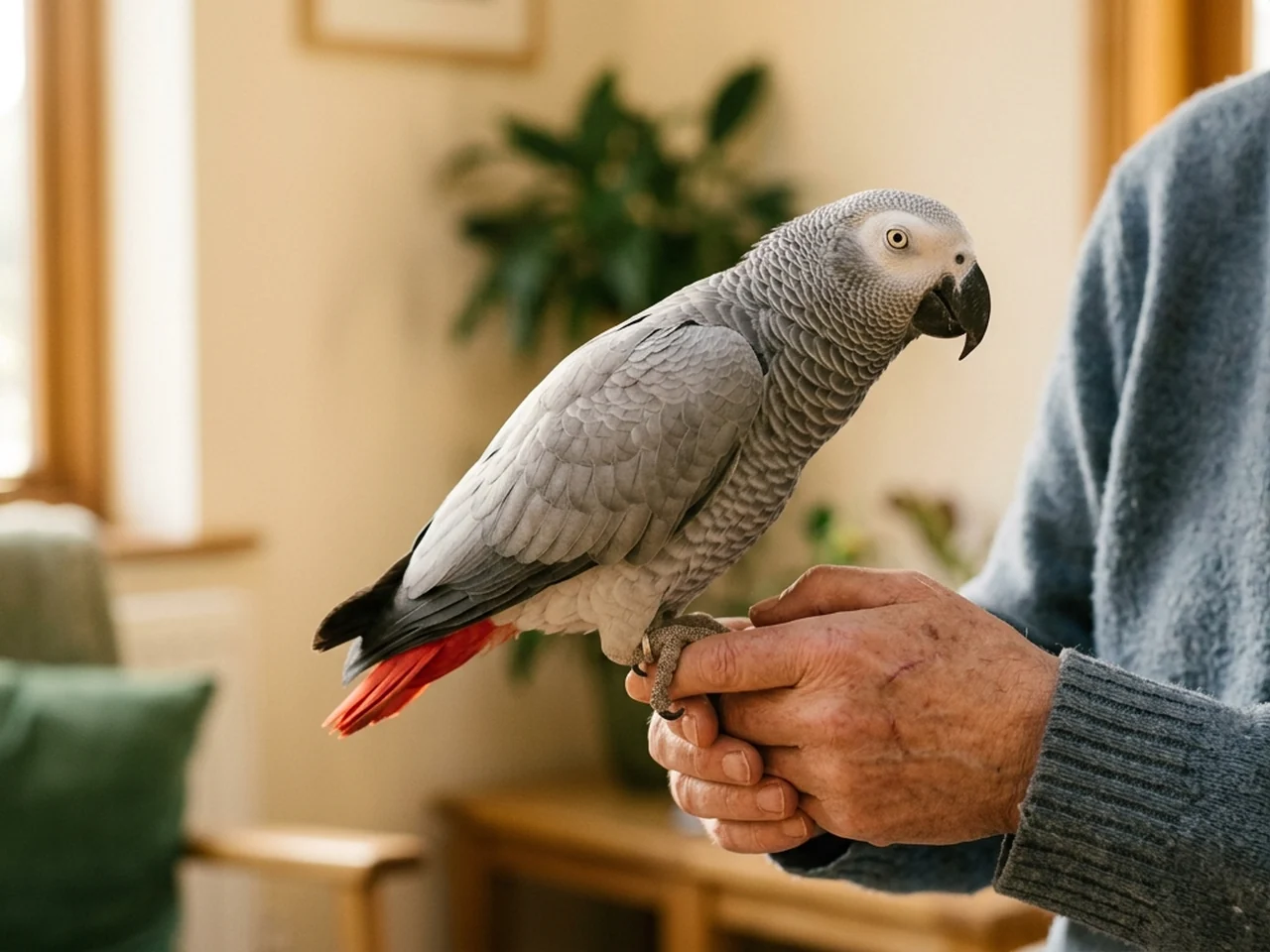
USDA-licensed family aviary in west Texas since 2014 · 6 captive-bred birds reservable · we answer in a day
Every bird on this page has a name, a photograph taken here, a price printed beside it and a folder of paperwork that travels with it. Nothing is hidden behind “enquire for pricing”, because the thing buyers most need to judge is the one thing this trade keeps vague. Read the prices first, then read why they are what they are.
Every bird below lives here right now, and the photograph beside each name was taken in this house, not bought from a stock library. We list what we have, so the grid is short; when a bird goes, the card goes with it instead of staying up to collect enquiries.
Congo Grown hen, past weaning and past the settling wobbles a younger bird still has ahead.
Ships nationwide · $185 airport · $350 home
Ask about Bery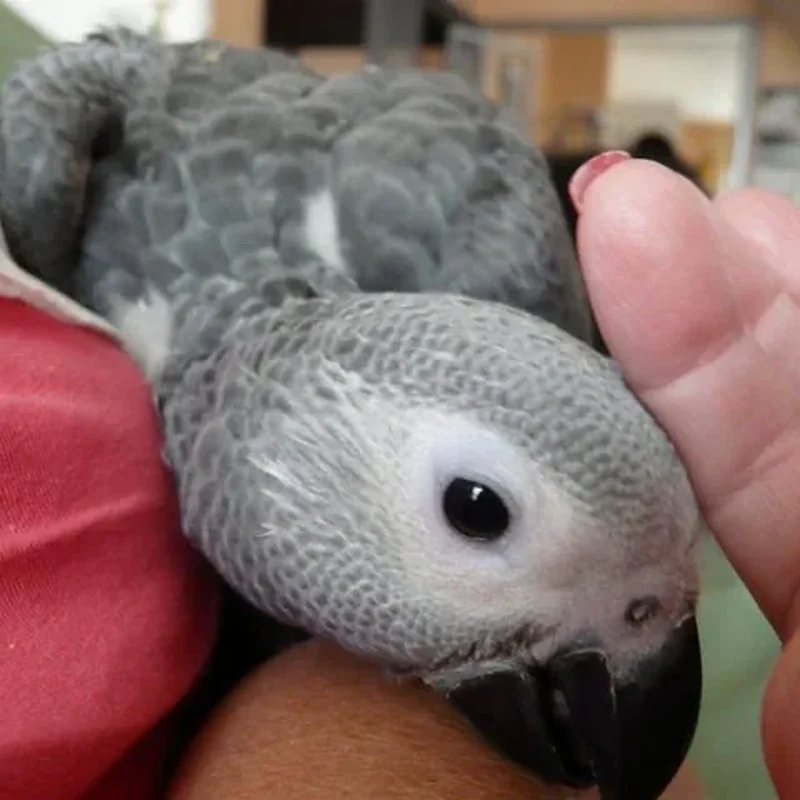 Congo
Congo Hand-fed from a syringe in our kitchen; she finishes weaning here before she flies.
Ships nationwide · $185 airport · $350 home
Ask about Amie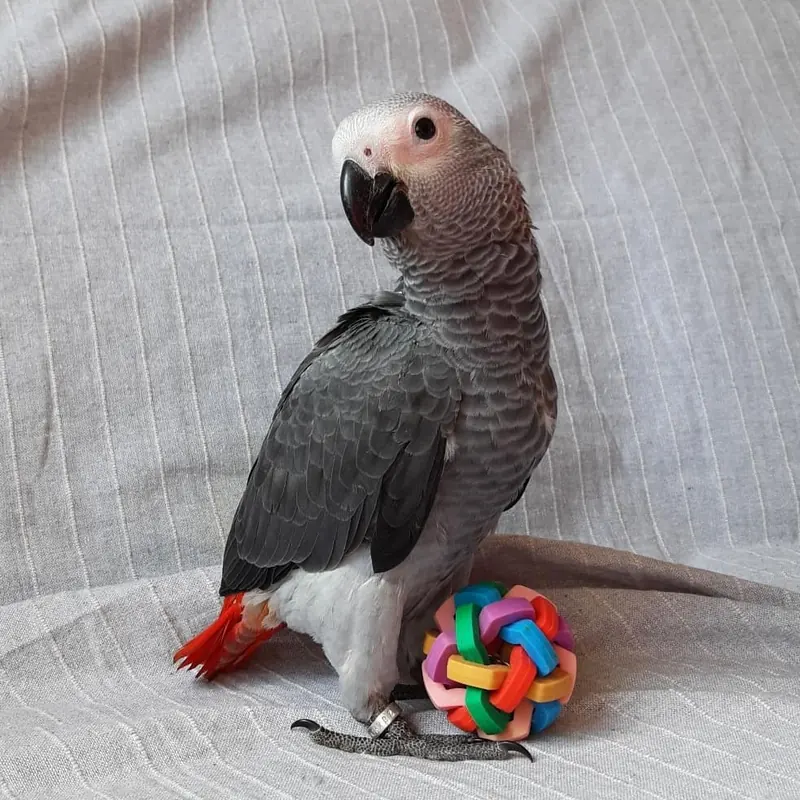 Congo
Congo Busy, bold cock who works a foraging toy until it gives up its last pellet.
Ships nationwide · $185 airport · $350 home
Ask about Roys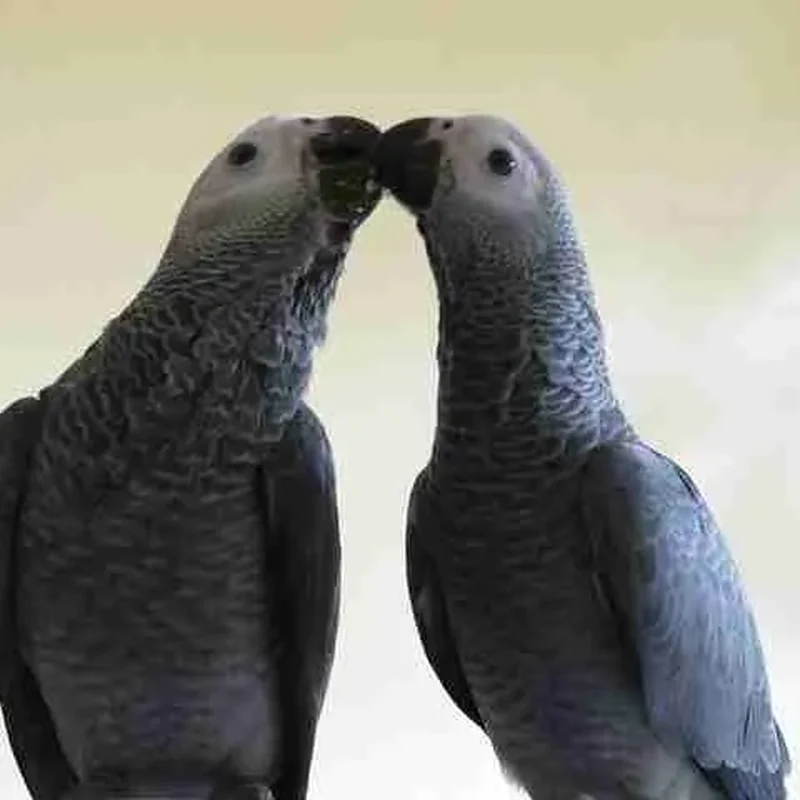 Companion pair
 Two unrelated Congos raised side by side and placed together as a companion pair.
Ships nationwide · $185 airport · $350 home
Ask about Jins & Jeni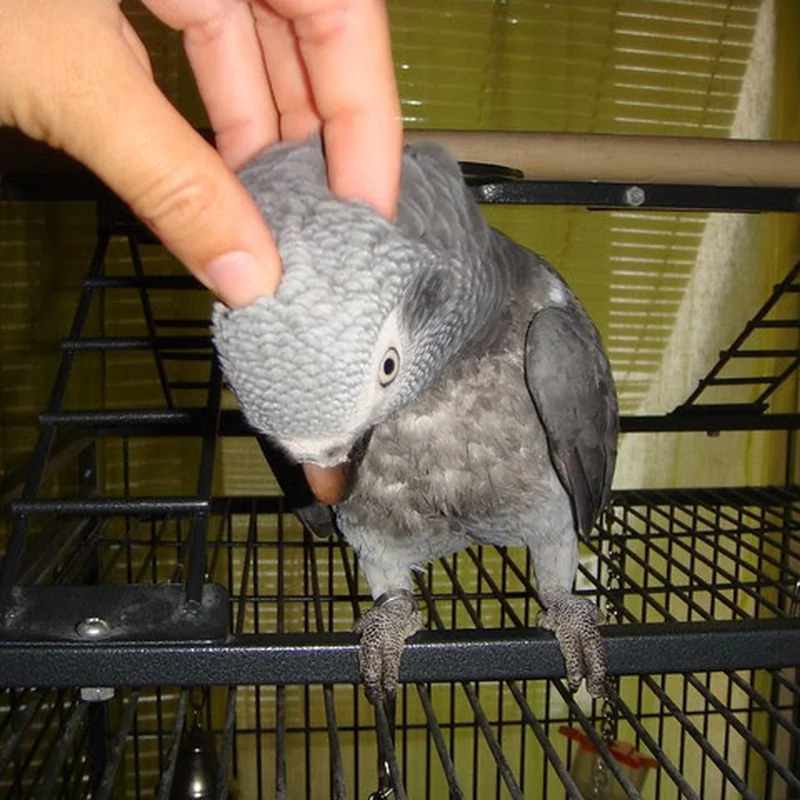 Timneh
 Charcoal Timneh cock, horn-coloured upper beak, already stepping up on request.
Ships nationwide · $185 airport · $350 home
Ask about Elad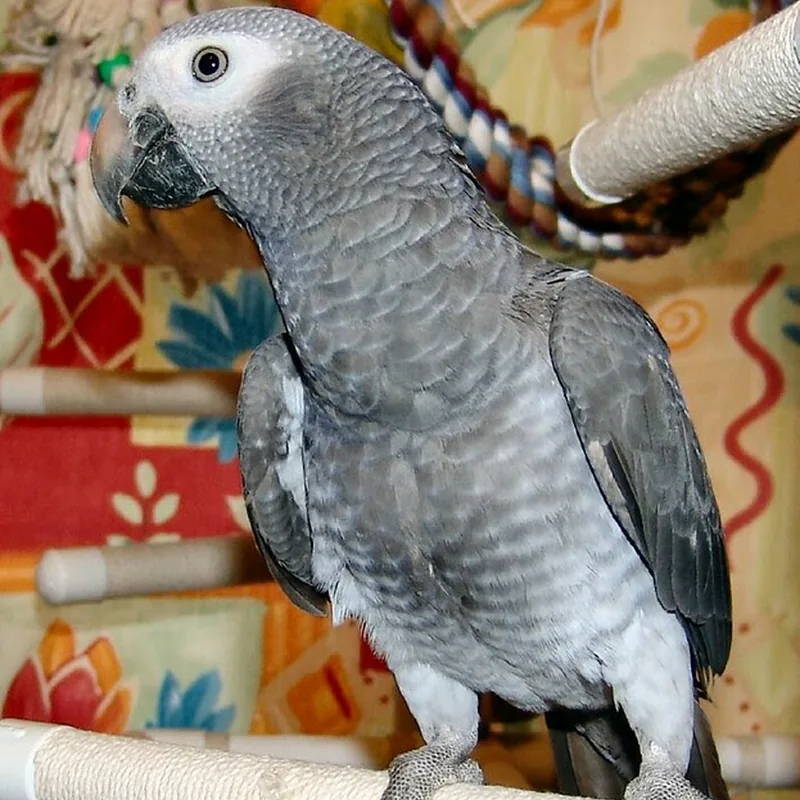 Timneh
 Timneh hen who watches a room for a while before she decides to join it.
Ships nationwide · $185 airport · $350 home
Ask about EvieCongos are the larger of the two, with the scarlet tail most people picture when they hear the name, and we have 4 of them including the pair. Bery is grown and settled. Amie is still on formula and finishes weaning in our kitchen. Roys is the busy one, the bird who will dismantle a foraging toy while the others watch.
Congos here run from $1,700, and the companion pair is $3,500 because two birds leave together. The spread inside that range is about age and about which bird has already done the growing, not about a sliding scale we apply to whoever asks. The number on the card is the number you pay.
Nothing on the list in the receipt above is an extra. A bird that has been examined, screened, sexed and papered costs us more to raise than a bird that has only been fed, and pricing those steps separately would let us advertise a smaller headline while charging the same money in the end. We would rather print one figure and stand behind it.
Ask any seller to itemise, and listen for four things: hand-feeding through to weaning, an avian examination before sale, a sexing result on paper and the treaty documentation. If the reply covers only the bird, the rest was either skipped or is coming as a surprise invoice later. Our costs page sets the same arithmetic out across a first year rather than a single purchase.
Timnehs are the smaller subspecies, darker in the body, with a maroon tail and a horn-coloured upper beak instead of the Congo's solid black. Elad and Evie are both here, both weaned, and both priced in the $1,500–$1,600 band.
A different bird that happens to cost less. The price gap follows demand and size, not quality, and the birds themselves differ in temperament: ours tend to start talking earlier and take a room's changes more calmly. Buying one to save money is the wrong reason. Buying one because a steadier, slightly smaller parrot suits your household is the right one.
The same feeding, the same examination and the same paperwork go into a Timneh as into a Congo, so the margin on one is thinner rather than fatter. What moves the price is that fewer buyers arrive asking for them by name, which is a fact about the market and not about the parrot sitting on the perch.
That figure is the floor for this whole aviary, and it exists because below it the arithmetic of raising a bird properly stops working. When you see a Timneh advertised at half of it, the saving is coming out of something — the feeding, the testing, the paperwork, or the truth of the listing itself.
Jins and Jeni are not siblings and were not bred as a pair; they are two hand-raised Congos who grew up side by side, and we offer them together as a companion pair at $3,500 for both. They are listed here as a pair. If you want one of them on their own, ask us and we will talk it through rather than quote a policy.
We call our own way of doing it The Benjamin Home-Raising Protocol: chicks raised in the house rather than a barn, hand-fed on a schedule we keep ourselves, and held back until they are weaned and eating unaided somewhere between twelve and sixteen weeks. It is our name for our practice, not a certificate anybody issued us, and the reason we name it at all is that “hand-raised” has become a word sellers use without doing any of it.
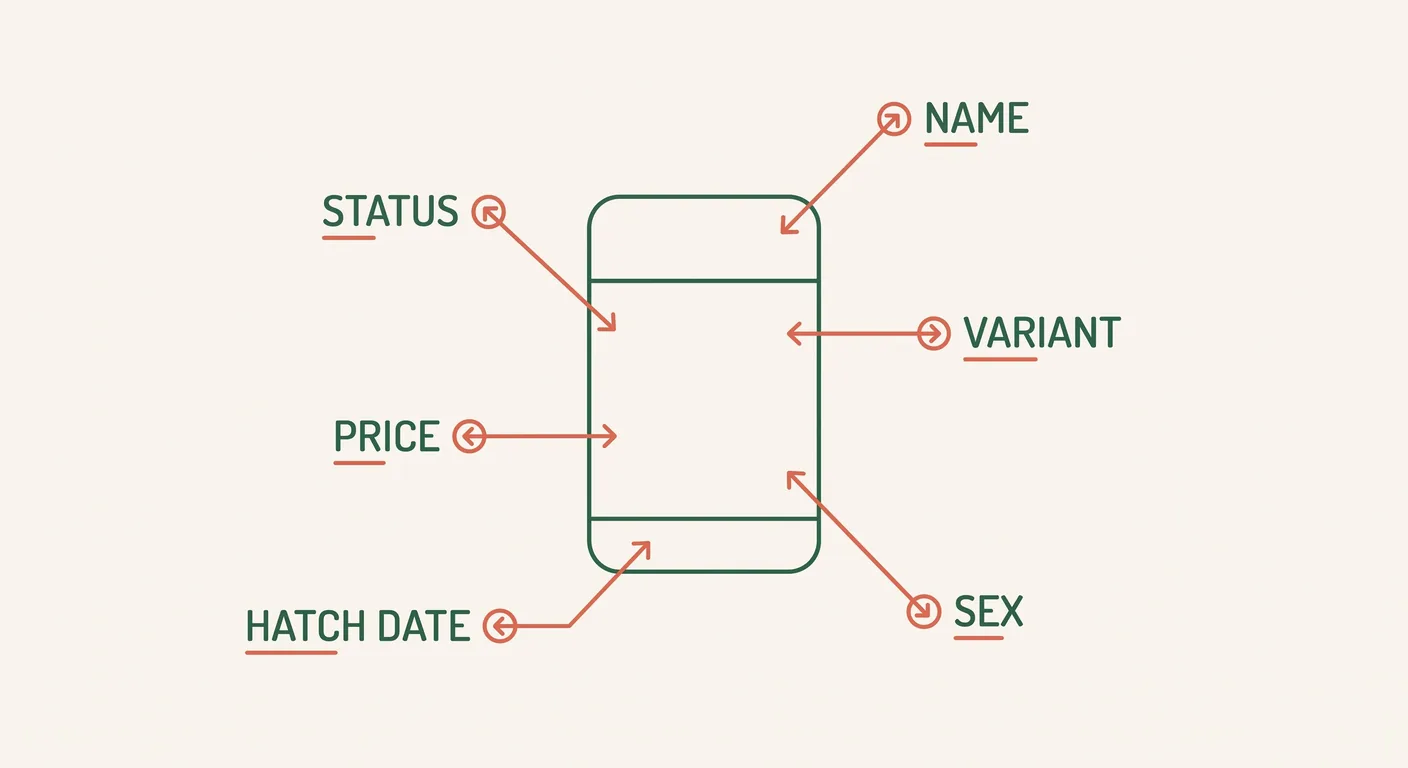
Each card above carries the same six facts, in the same places, so you can compare birds instead of decoding listings. Name, subspecies, sex, price, what travels with the bird, and the delivery tiers. If a detail you need is missing, it is missing from our records too, and we will say so rather than fill the gap with something plausible.

African Grey asking prices ran from $850 to $8,500 on the single August 2026 afternoon we recorded them. That spread is not a market finding its level. Part of it is one seller quoting three different numbers on three platforms on the same day.
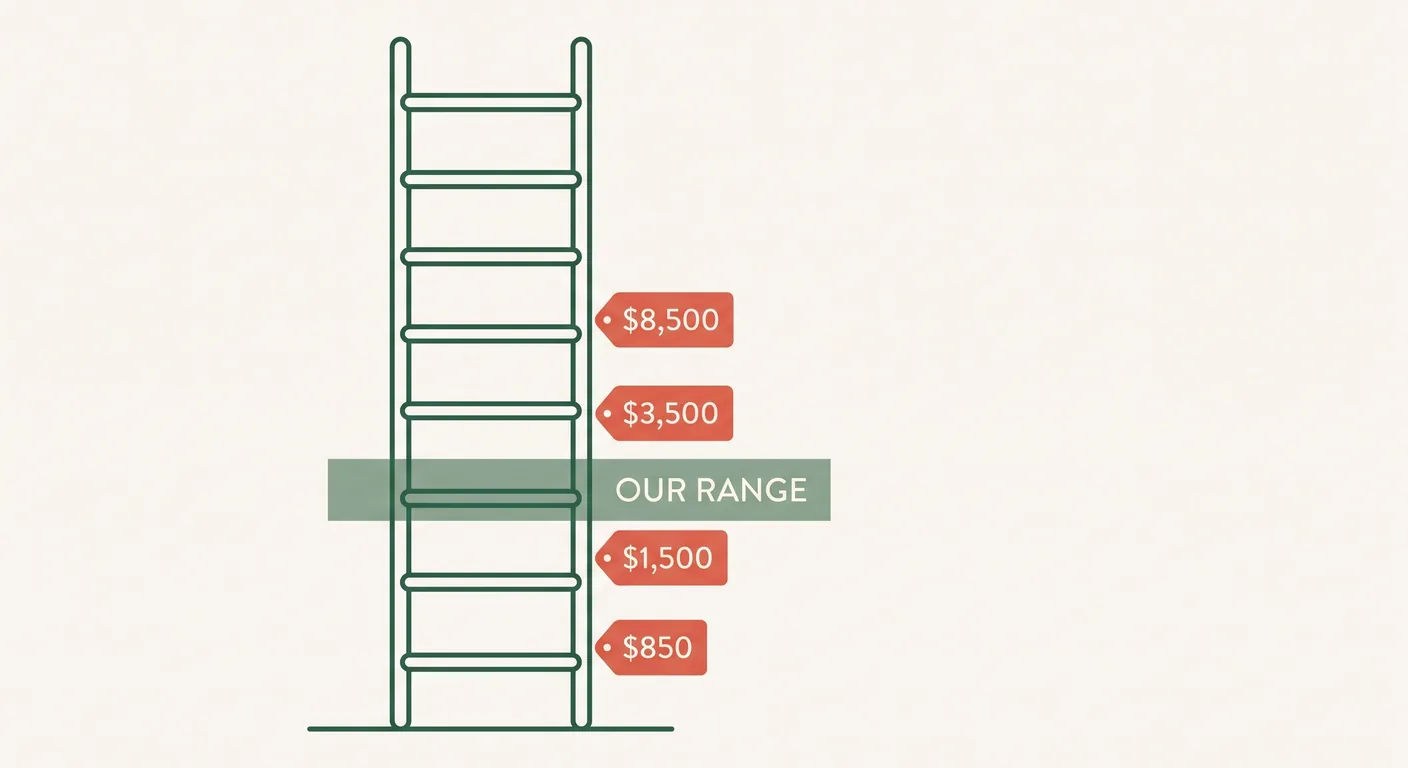
| Where the price came from | Asking price | Recorded | What the price was said to include |
|---|---|---|---|
| A free-hosted “foundation” site | $850 | 10 Aug 2026 | “Free delivery” advertised. No vet record, no sexing certificate, no band named anywhere on the listing. |
| A second free-site seller | $1,500 | 10 Aug 2026 | One flat price for any bird, with no paperwork named and no individual bird shown. |
| A classified listing | $4,500 | 10 Aug 2026 | Same seller as the two rows below, same day, lowest of their three numbers. |
| That seller’s own website | $7,500 | 10 Aug 2026 | Same birds again, priced three thousand dollars above their own classified. |
| An aggregator listing | $8,500 | 10 Aug 2026 | The same seller’s ceiling, on a third platform, on that same afternoon. |
| Google’s AI Overview | $5,000–$8,500 | 10 Aug 2026 | Called “typical”, attached to no seller and no bird, and it also told buyers that anything under $2,000 is fraudulent. |
| Us, on this page | $1,500–$3,500 | Today | Hand-feeding to weaning, the pre-sale avian exam, the screening panel, sexing, the paper folder and the leg ring. |
Third-party figures are readings from one afternoon and will have moved since. Ours are current and sit in the data file this page reads from.
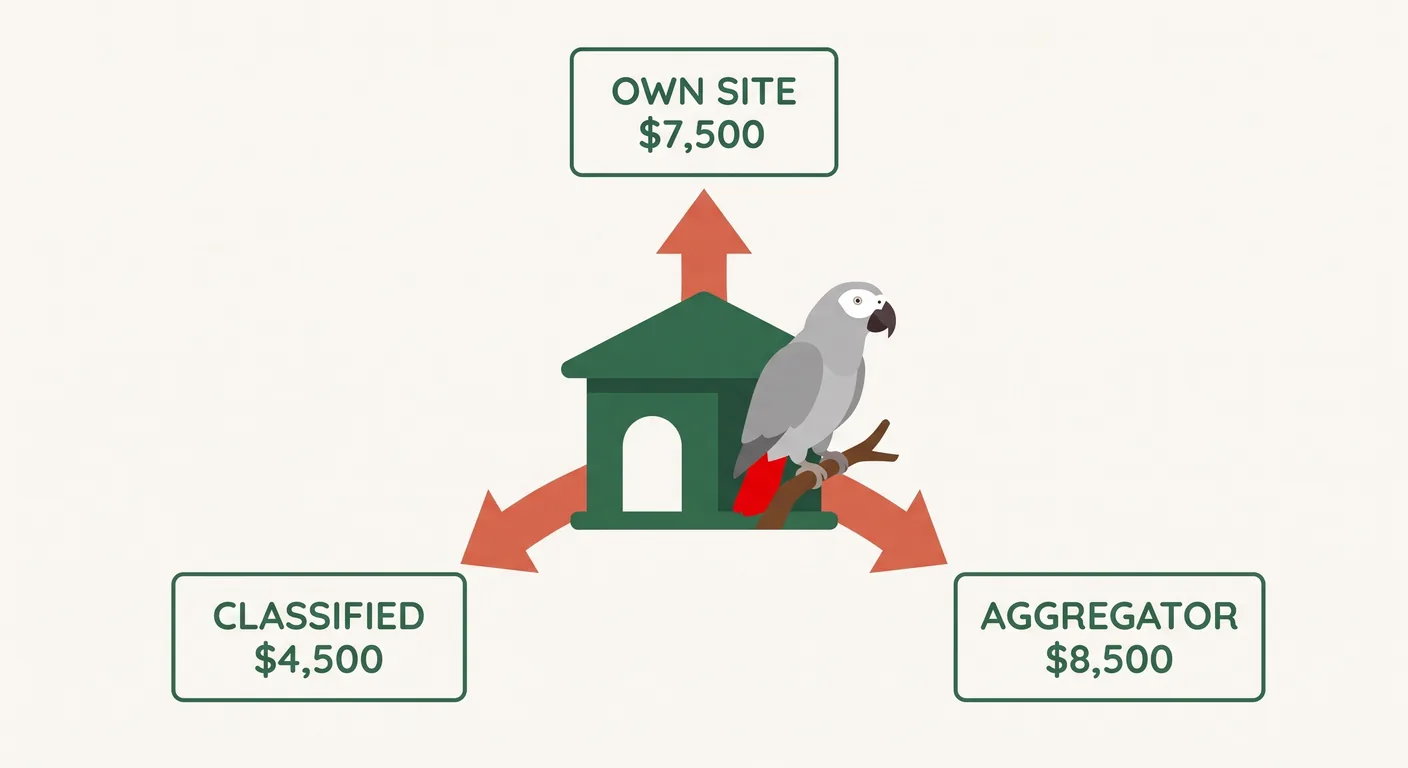
The clearest thing we found was not the cheap end. It was one aviary advertising its birds at four and a half thousand on a classified site, seven and a half on its own website and eight and a half through an aggregator, all live at once. No bird changed. Only the audience did.
Six sources, read on one afternoon, written down as we found them: two free-hosted sellers at the bottom, one seller across three platforms in the middle and upper range, and Google's own overview of this search at the top. We did not average them, because an average of a fiction and a fact is another fiction.

Four thousand dollars is not a discount or a promotion. It is a seller discovering what each platform's buyers will tolerate and pricing accordingly, which is legal, common, and worth knowing about before you take any single listing as the market rate for a parrot.
Classified four and a half thousand. Own site seven and a half. Aggregator eight and a half. Same seller, same afternoon, same photographs of the same birds on all three.
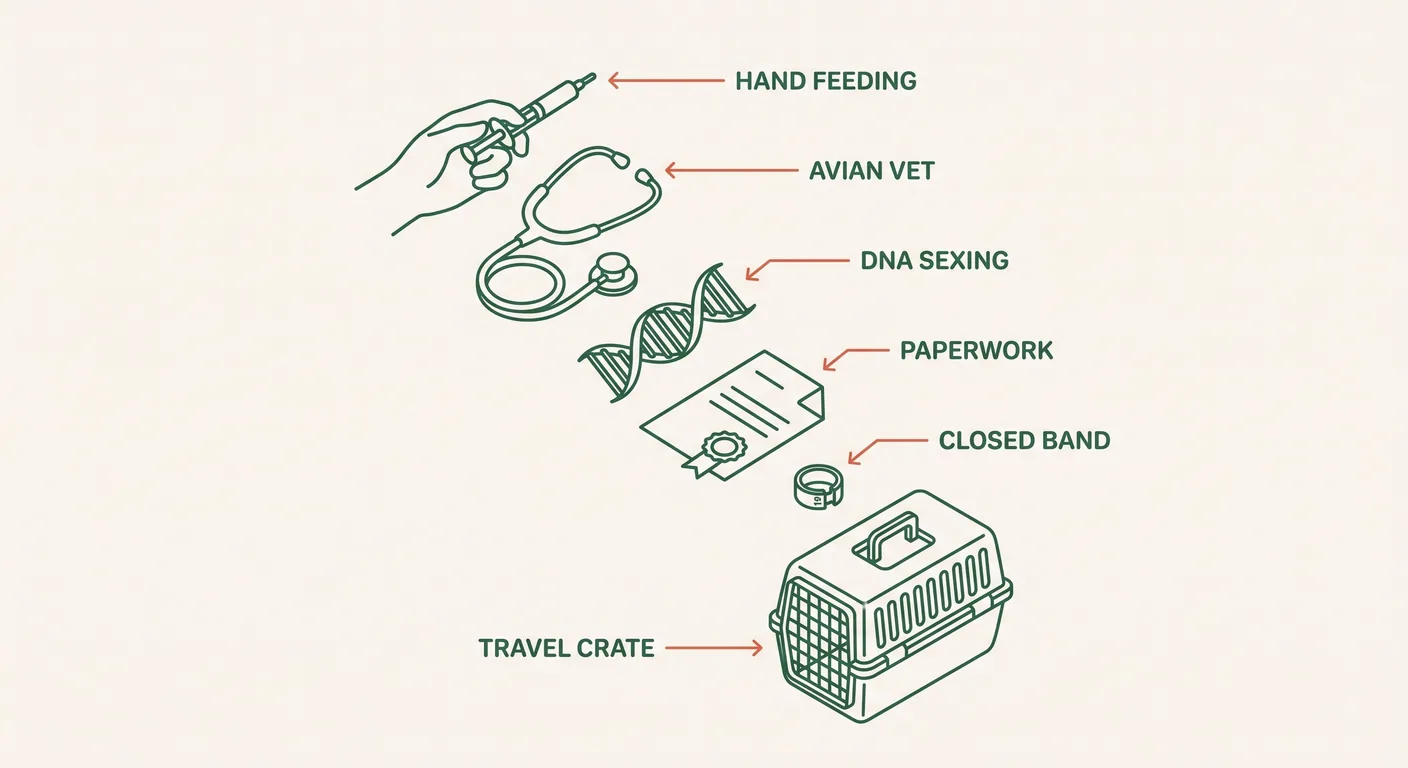
An honest African Grey price covers six real costs: months of hand-feeding, the pre-sale veterinary examination, the screening panel, the sexing assay, the paper folder and the travel crate. They are the reason a floor exists at all. Strip any of them out and the price can fall. So can the bird's chances.
Because the feeding alone outruns it. A chick eats formula for months, somebody is awake for the night feeds, and the veterinary work happens whether or not a buyer appears. At eight hundred and fifty dollars the sums fail before the bird is weaned, which means one of three things is untrue: the bird, the testing, or the seller's existence.
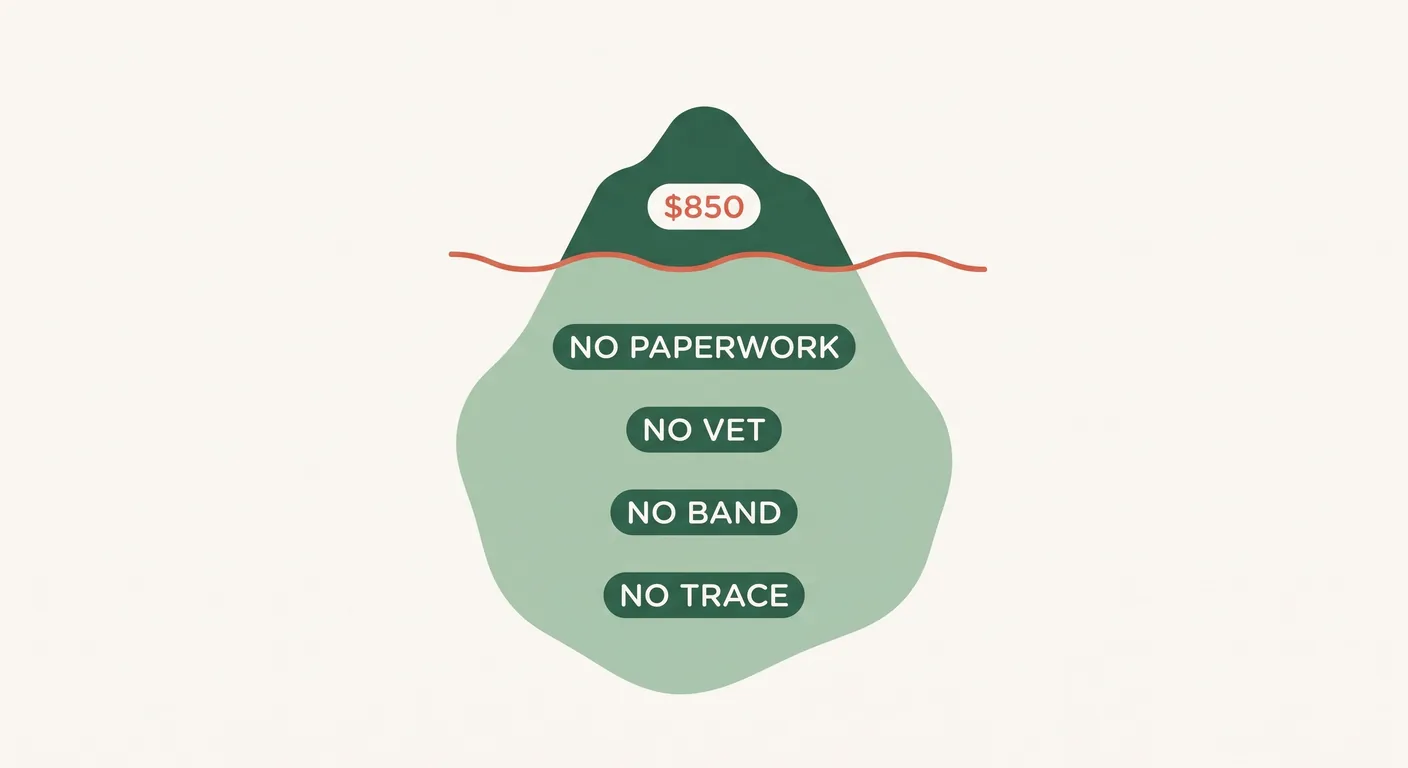
Our floor is $1,500 and it is arithmetic, not positioning. Take the formula, the hours, the examination, the panel, the assay and the paperwork, and that is where a bird stops costing us money to place. A seller beneath it is either subsidising from somewhere or not doing the work.
Both sub-thousand listings we found sat on free website hosts, showed no individual bird, named no veterinary practice and offered delivery free of charge. The pattern repeats because it costs nothing to publish.
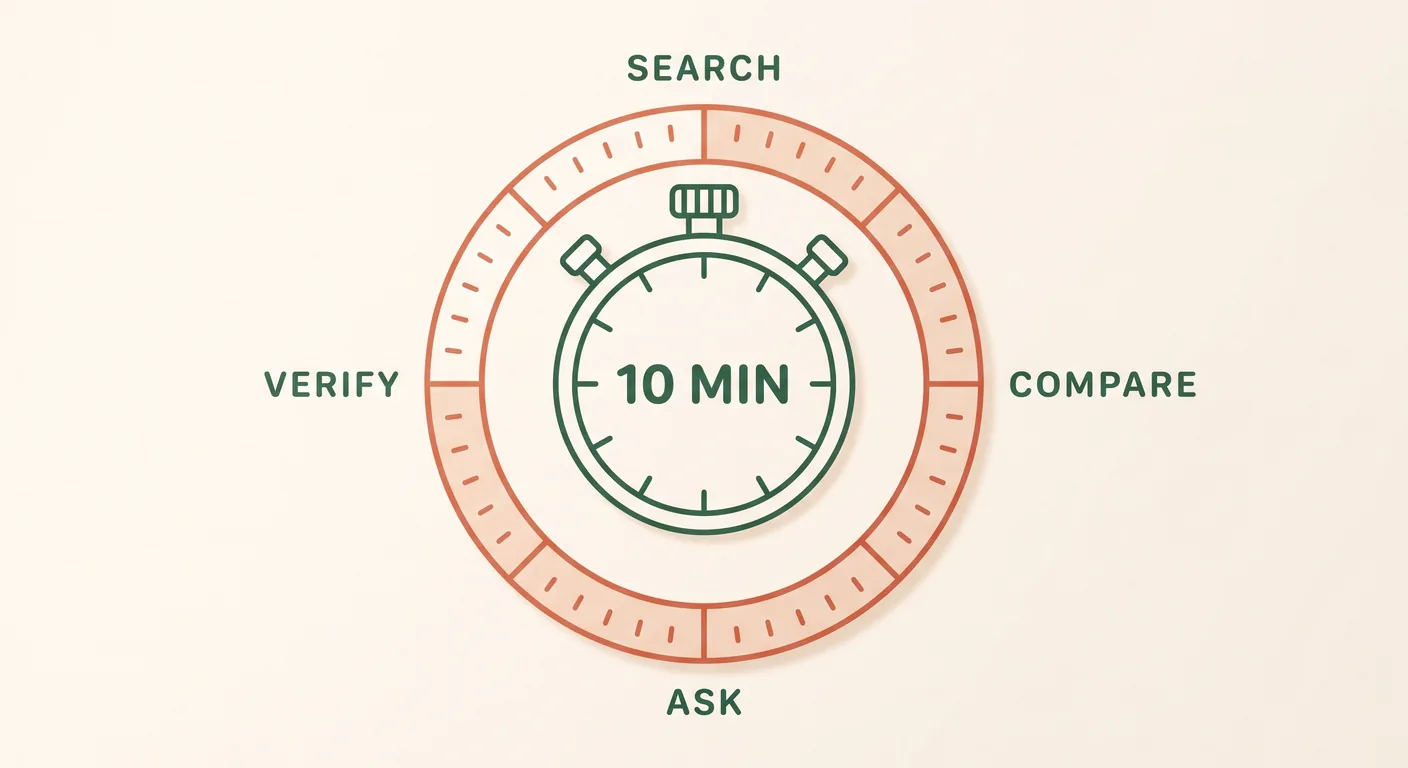
Search the price, compare it against the range on this page, ask the seller to itemise, then ask to see the bird live. Four moves, ten minutes, and they settle most questions before any money moves. Our own credentials page is written so you can run those checks on us.
Who owns the bird right now, can I see it live today, what paperwork comes with it, and how do you take payment. Four questions, and the last one carries the most weight, because a seller pushing you at a wire, a gift card or a cash app has picked the one route with no way back.

Five documents and a banded leg, handed over together, not posted on afterwards. Not one page-one competitor we checked publishes its documentation list, which is odd, because the folder is the part that proves a bird is what the listing says it is.
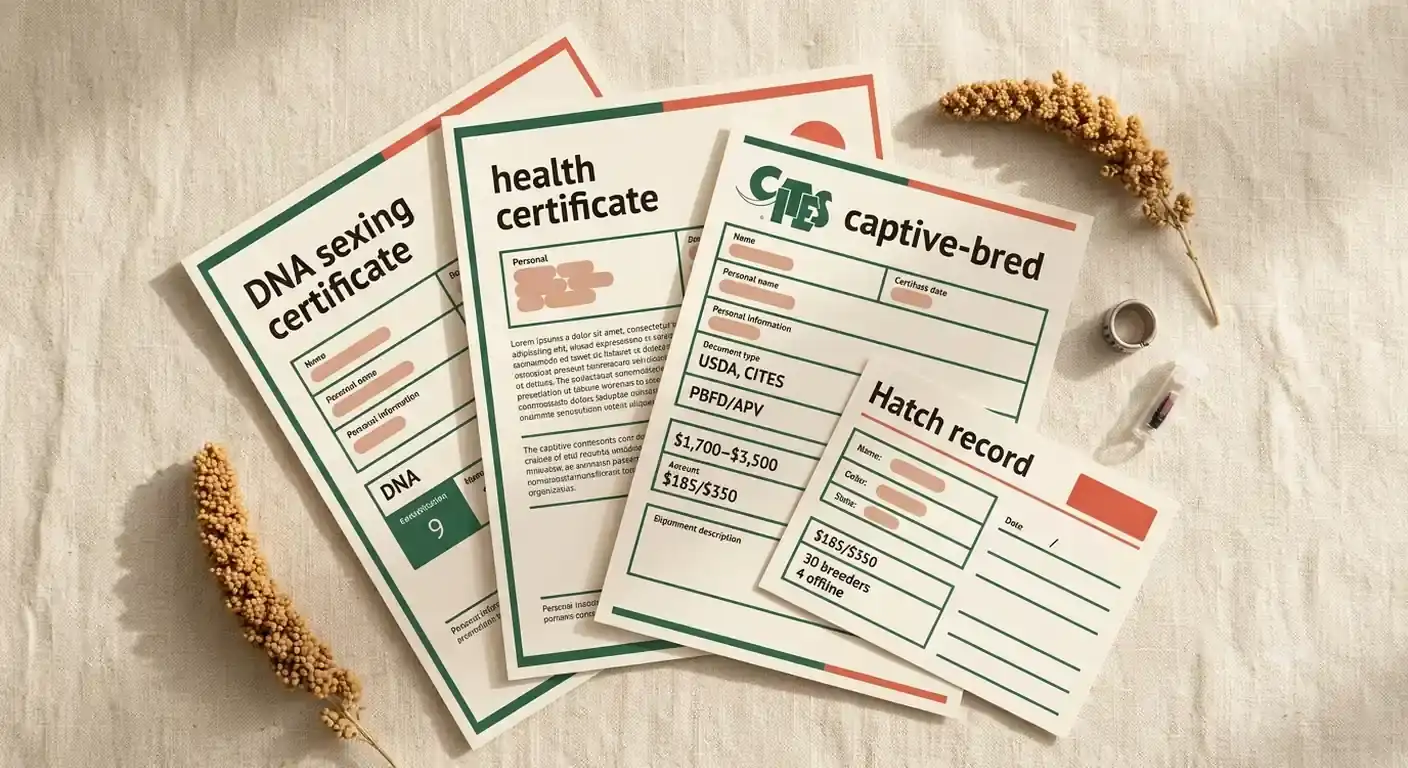
The documents shown are samples with personal fields redacted. Your bird's own paperwork is provided on request.
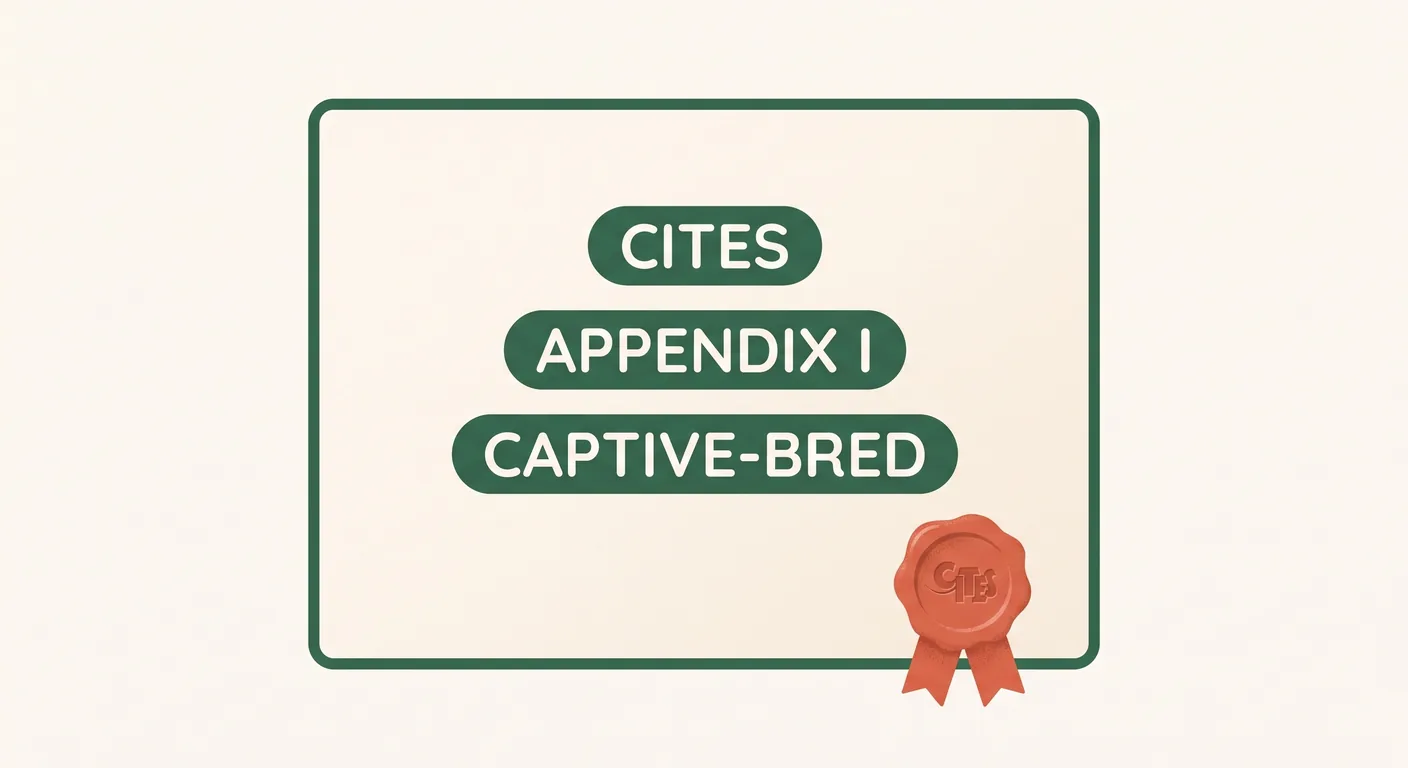
Fact ↗African Greys sit on Appendix I of the CITES treaty, which restricts international commercial trade in wild-caught birds. Ours are bred here, and the certificate in your folder records exactly that, which is what makes owning and transporting one inside this country straightforward.
Because it is the difference between a bird with a lawful history and a bird with none. The paperwork ties your parrot to a captive-bred origin, and a seller who cannot produce it is asking you to take the most checkable fact about your bird on trust. The documentation page walks through each certificate in detail.
The uplisting took effect that month, so any bird offered as pre-treaty stock is either much older than it looks or being described dishonestly. It changed nothing about keeping a captive-bred parrot as a pet and a great deal about importing one.
It does mean international commercial trade in wild-caught birds is barred. It does not mean you need a personal licence to keep a captive-bred bird at home, and it does not make your purchase a grey area. Keep the certificate with the rest of the folder.
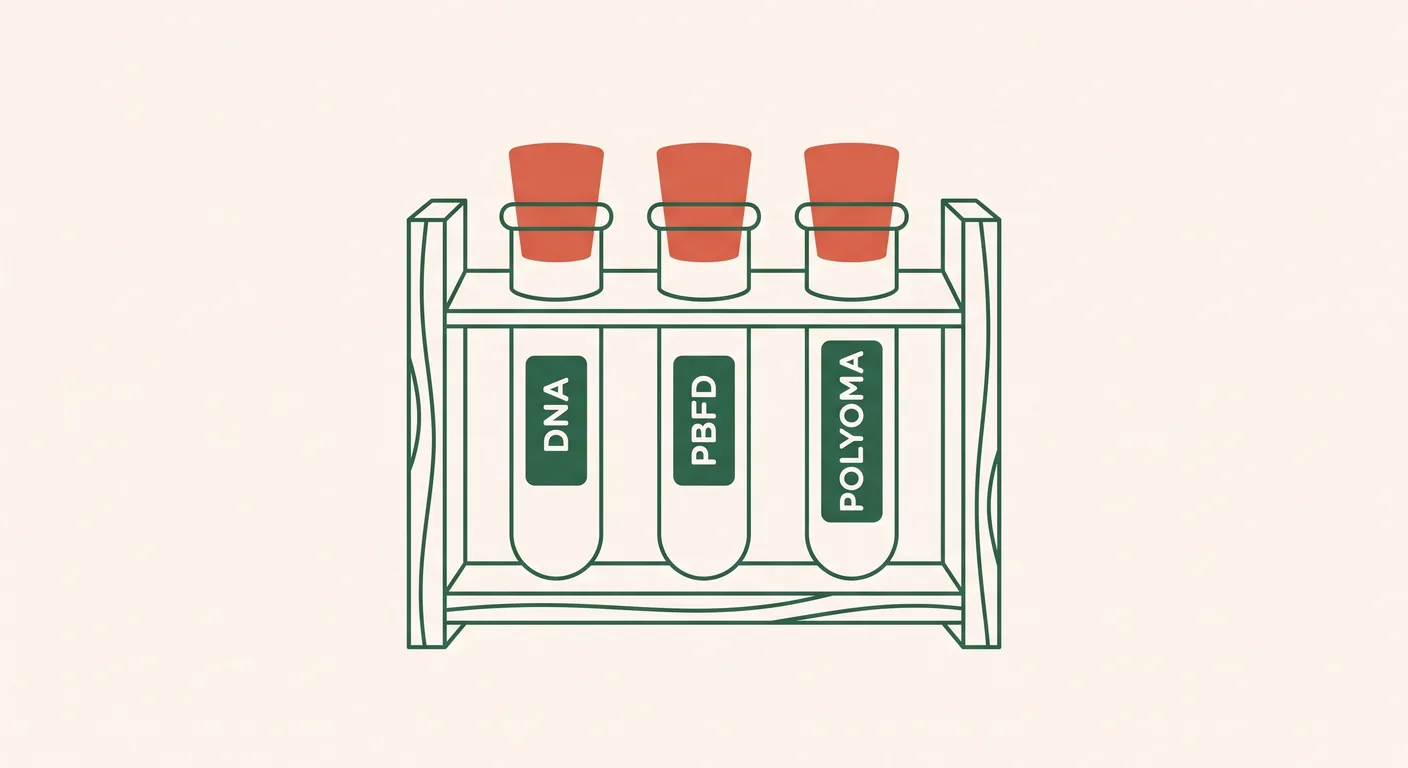
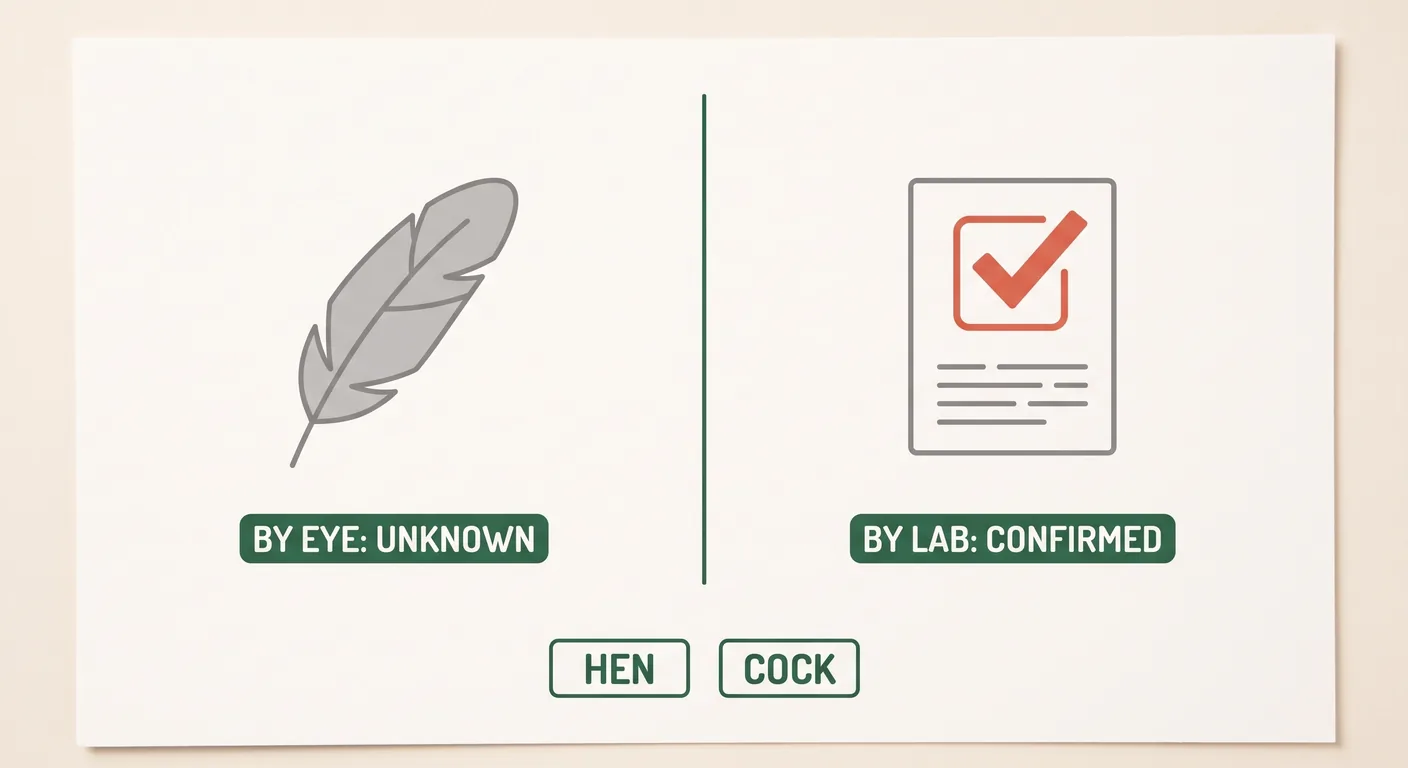
Observed here · 6 birds, since 2014Every bird here is sexed by a laboratory before it is listed, and the same sample type carries the disease panel. You get the certificate with the laboratory's name on it rather than our opinion, which matters for a species that gives no reliable visual clue either way.
From the DNA result, never from the bird's appearance. Hens and cocks look alike at every age, so anyone telling you a bird is female because of its head shape or its tail is guessing. Ours arrive with the assay on paper, tied to the ring number. The testing page explains the method and what the fee covers.
Mark and Teri Benjamin hold a federal USDA licence under the Animal Welfare Act, and the number is yours on request so you can look us up instead of taking our word. That is the point of a licence: it puts a third party between a seller's claim about themselves and a buyer's ability to check it.
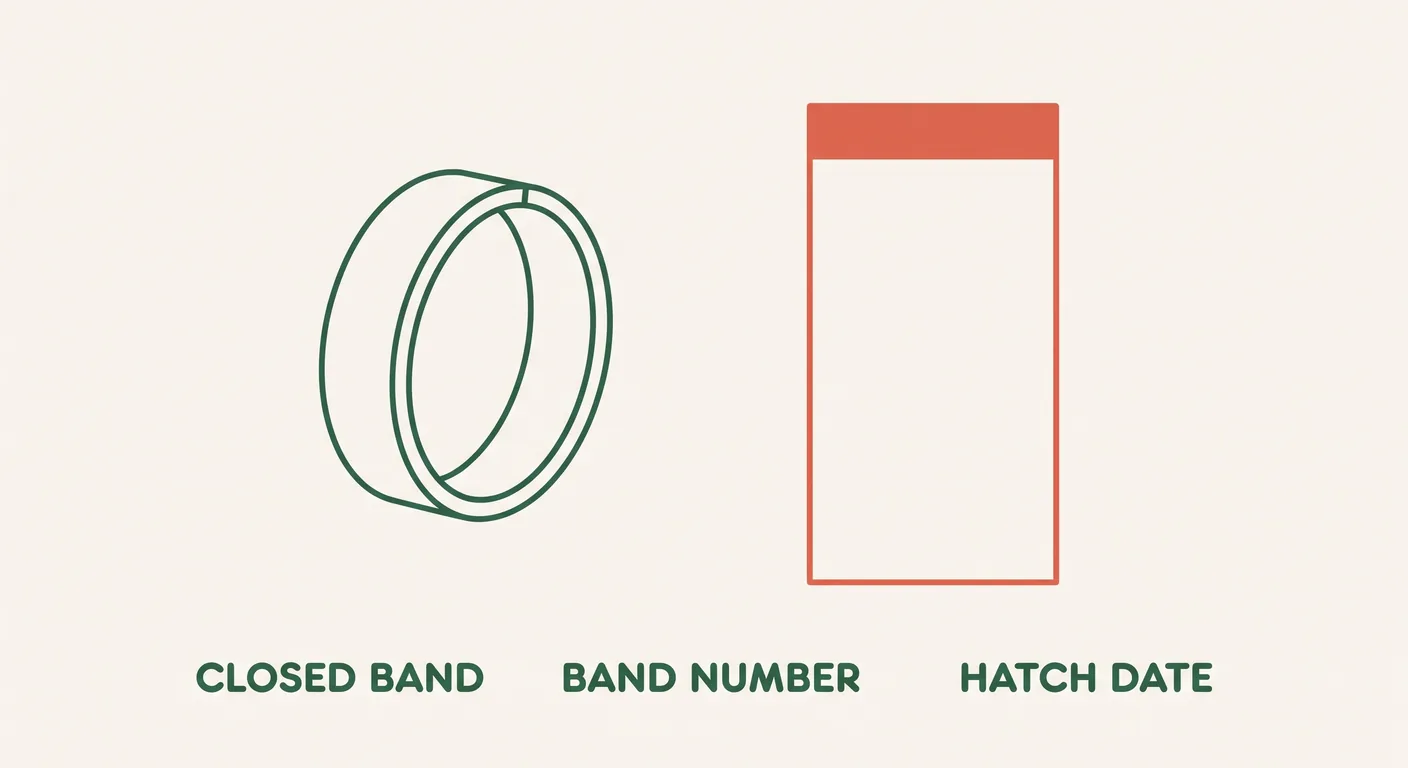
The ring on your bird's leg went on as a chick and cannot be fitted to an adult, so it is the one identifier that cannot be moved between birds. Its number appears on the hatch certificate and on every other certificate in the folder, so you can match paperwork to parrot yourself on the first evening.
Our written guarantee runs 72 hours from arrival, with a separate 24-hour clause for anything caused by the journey. It is short on purpose, and we would rather explain why than let a longer number do the persuading.
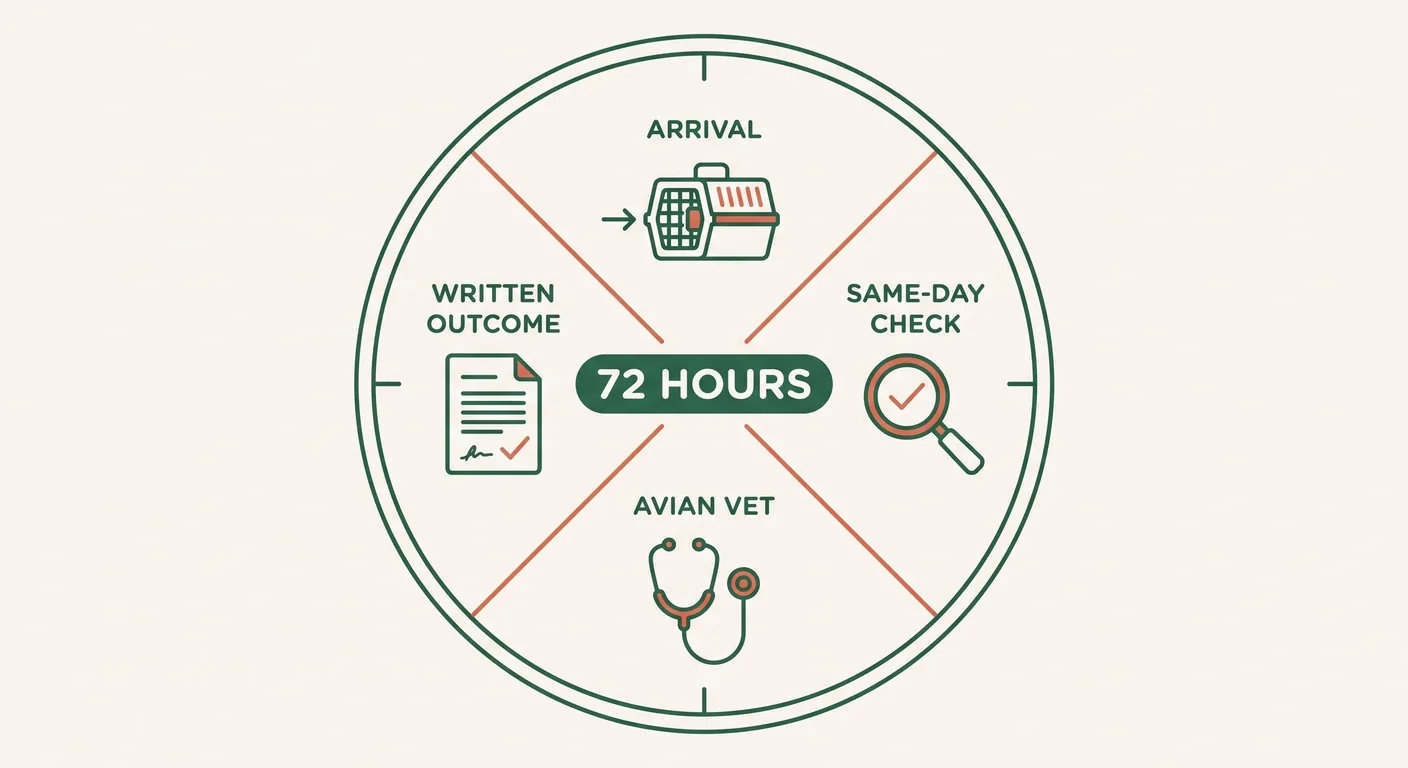
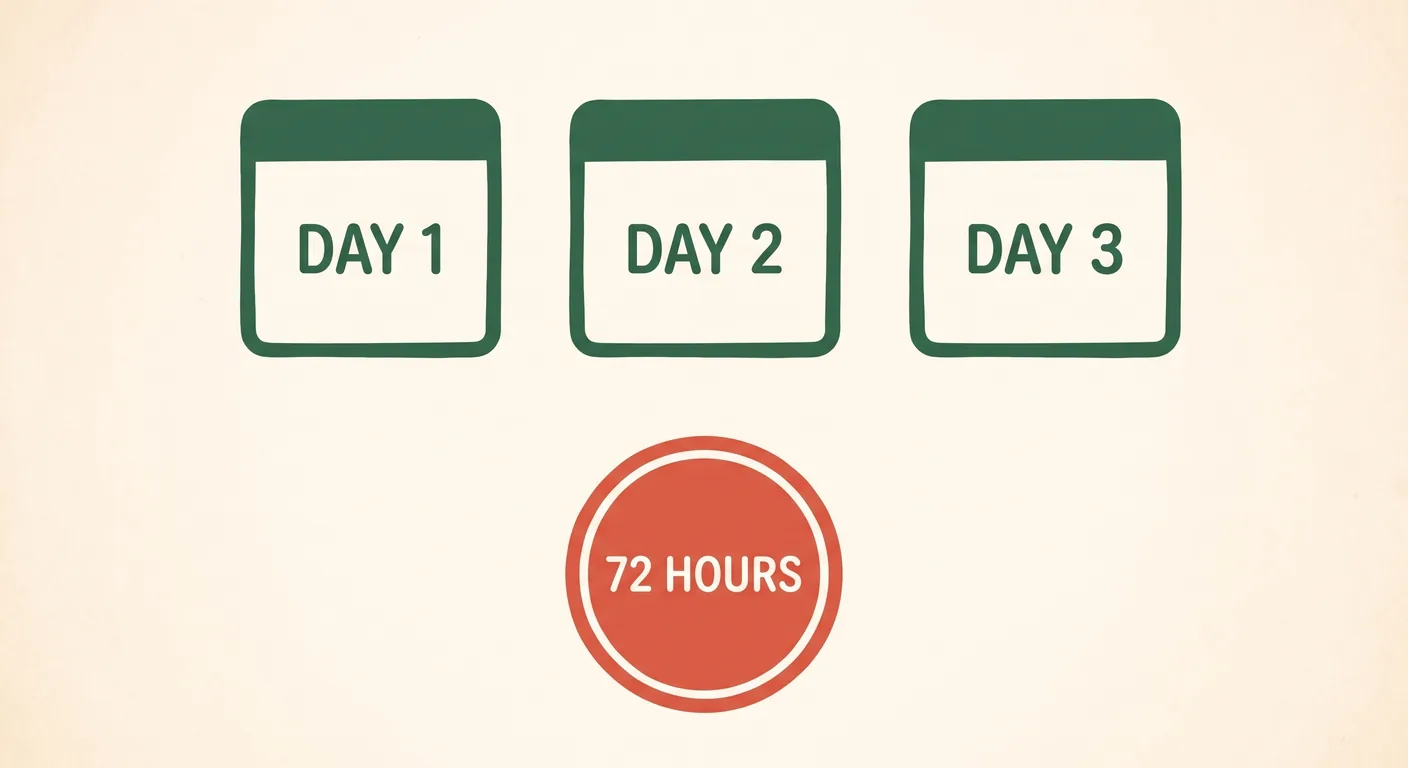
Three days from the moment your bird reaches you, an examination by your own avian vet decides the question, and the remedy is replacement or refund. Book the appointment before the bird travels, because the better avian practices keep a waiting list, and the clock keeps running while you look for one.
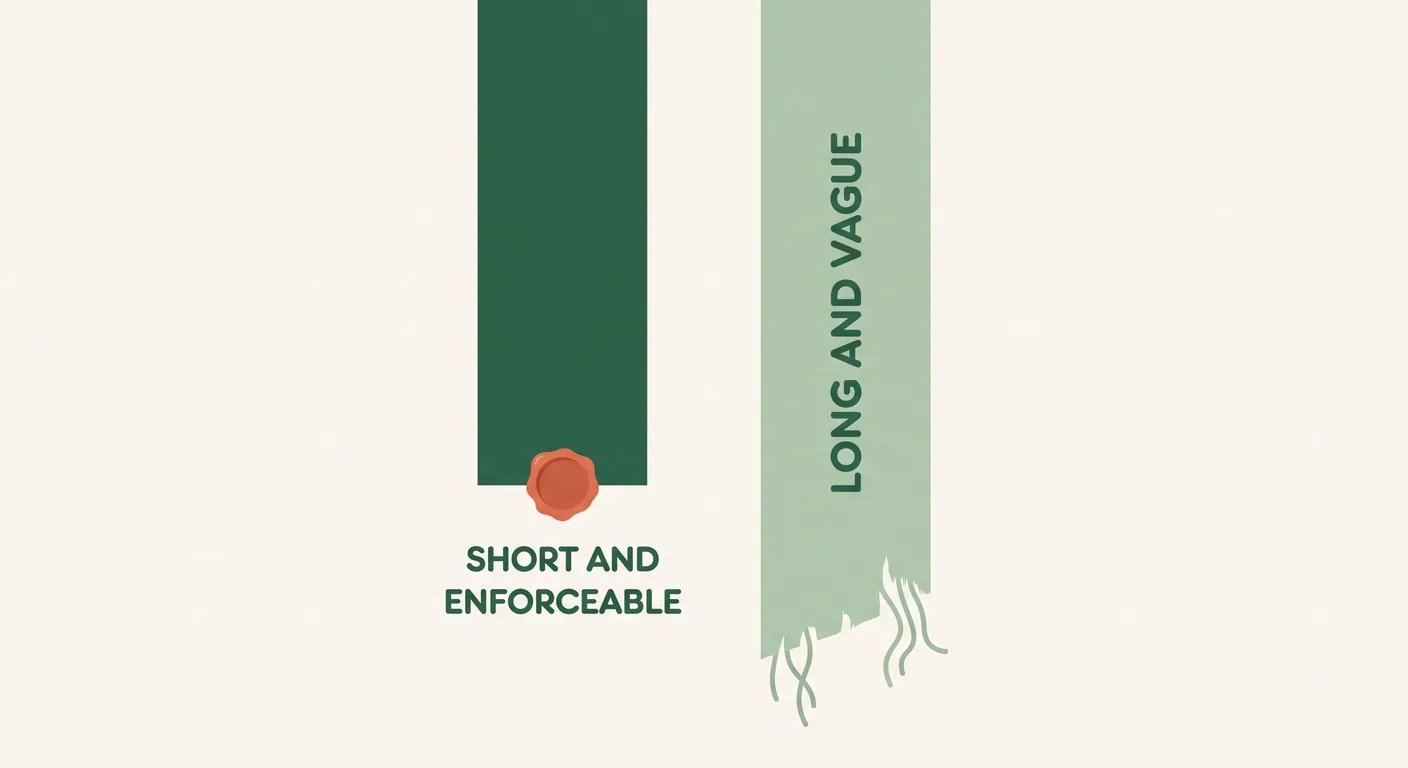
Usually the opposite. A year-long promise sounds generous precisely because almost nobody expects to be asked to honour it, and the sellers advertising the longest windows in our search were the ones we could verify least. A short window that names its terms is worth more than a long one that names none.
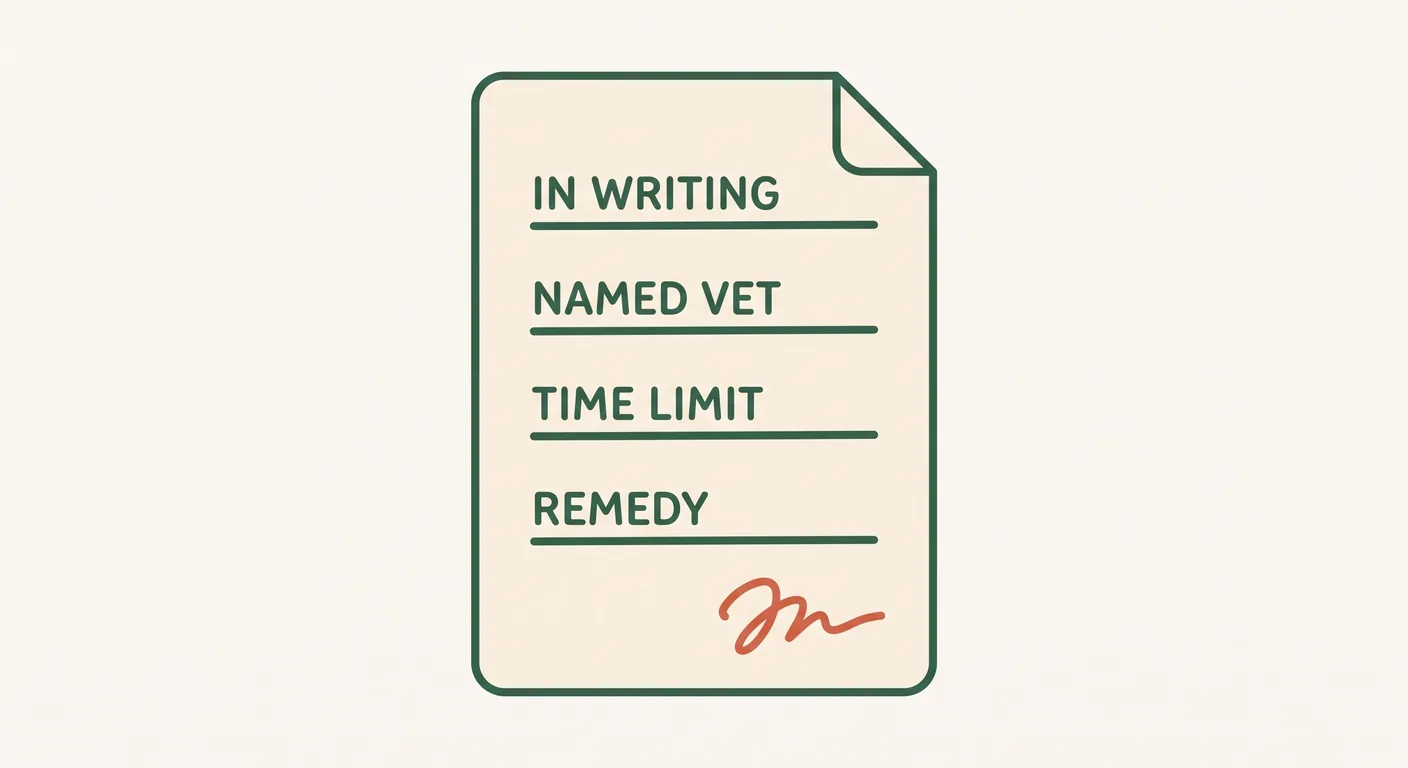
Four things: it is in writing, it names an independent vet as the arbiter, it states a time limit, and it states the remedy. Ours does all four and the full policy carries the wording. A guarantee missing any of them is a sentiment rather than a term.
Any document is only as good as your ability to find the people who wrote it. We are a licensed aviary at a verifiable address with a phone number in the footer, which is the part that makes the rest of it mean anything.
Seventy-two hours from arrival for health, twenty-four for transit, confirmed by your own avian veterinarian, settled as replacement or refund, void on removing the leg ring or on skipping the examination. The document identifies your bird by the ring number, not by its name, so the paperwork section matters more than it looks.
Three routes, three prices, all printed. Shipping is how a bird reaches you, not a reason to buy one, so we treat it as logistics to be explained plainly instead of a headline.
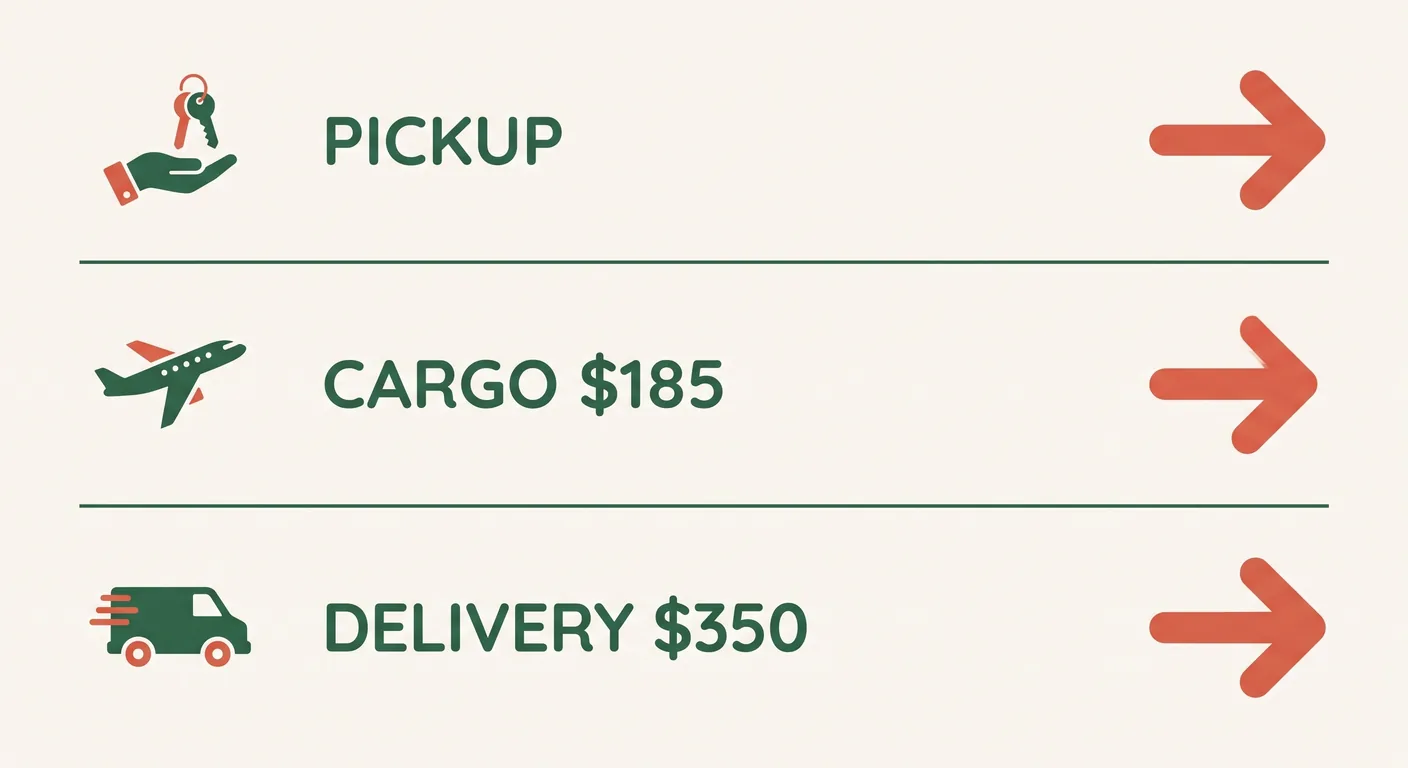
Ships nationwide · $185 airport cargo · $350 home delivery · $750 cabin with a flight nanny · collection here is free within a two to three hour drive.
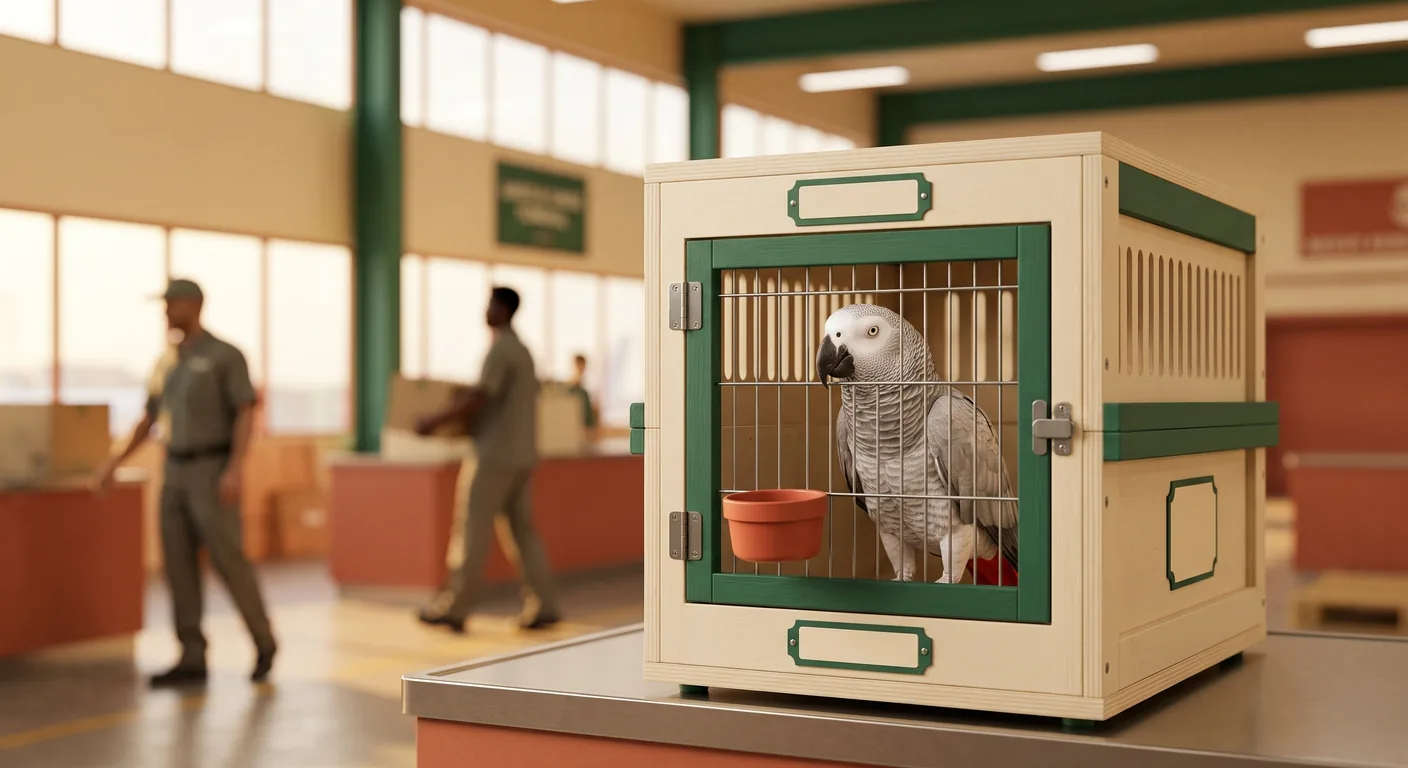
Most buyers choose this one. Your bird flies as manifested live-animal cargo in a crate meeting the airline's live-animal standard, on a direct flight wherever the route allows, and you collect at the cargo desk, not a baggage carousel. Delta, United and American all carry them.
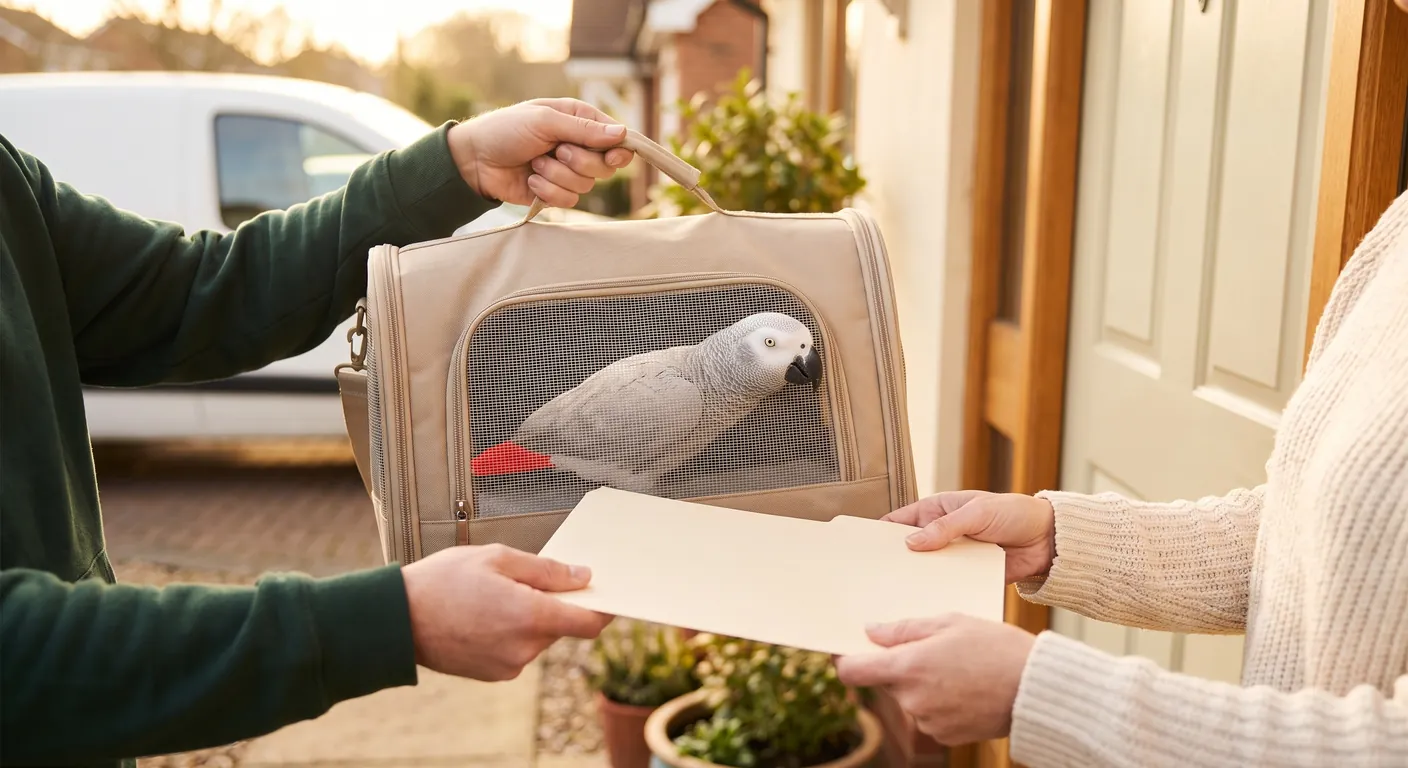
Home delivery brings the crate to the address you give us, on a date we agree first. It suits buyers who would rather not drive to a cargo counter, or who live a long way from one. It costs more because a person makes the journey with your bird instead of the airline.
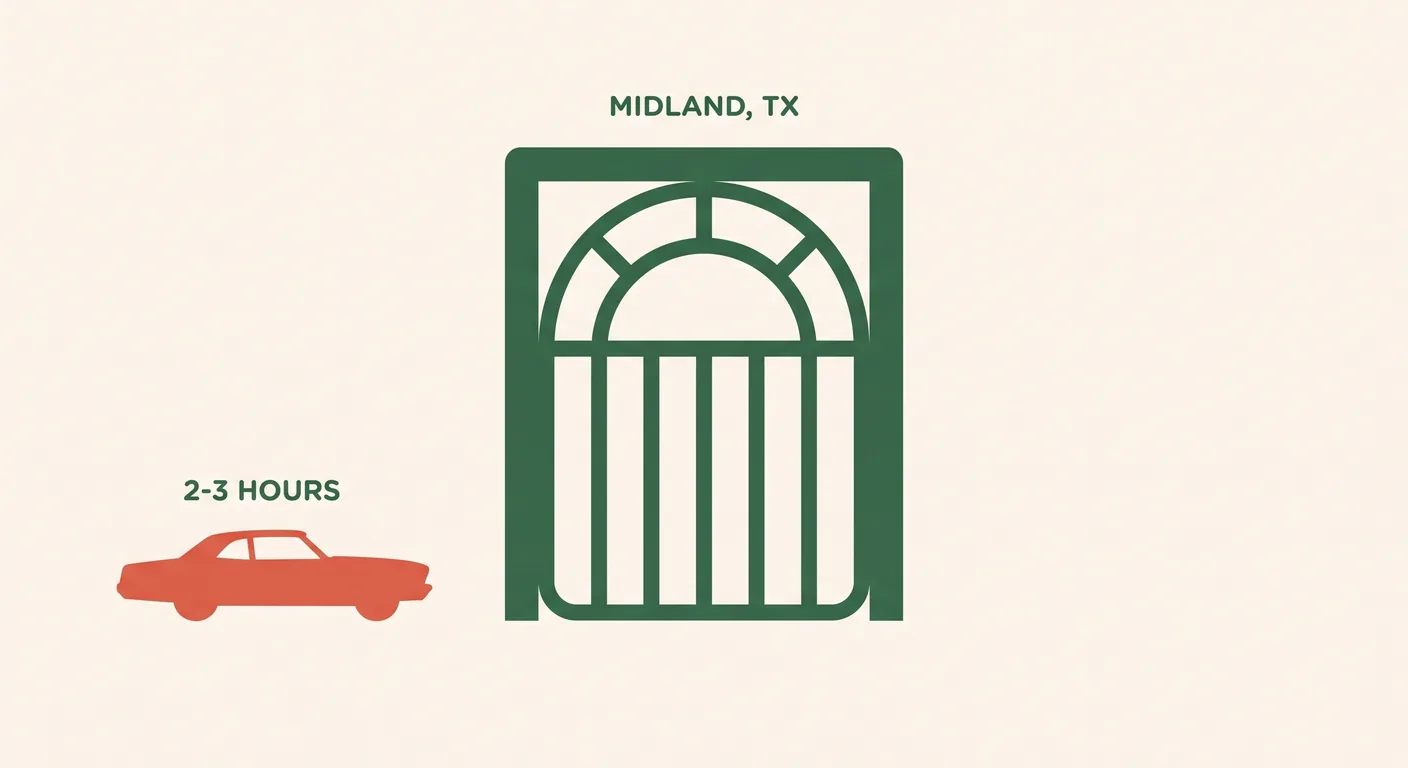
Free, and the gentlest option for the bird, which is why buyers within a few hours of us drive it regularly. You meet the parrot where it grew up, we go through the folder at the table, and nothing about the day involves a crate in a cargo hold. A cabin seat with a flight nanny is the third option at $750, quoted per route because the nanny buys a ticket too.
On a direct routing, the flight itself is a few hours and the whole day usually ends with your bird home the same afternoon. We book around connections rather than through them, because that is where handling and temperature risk stack up.
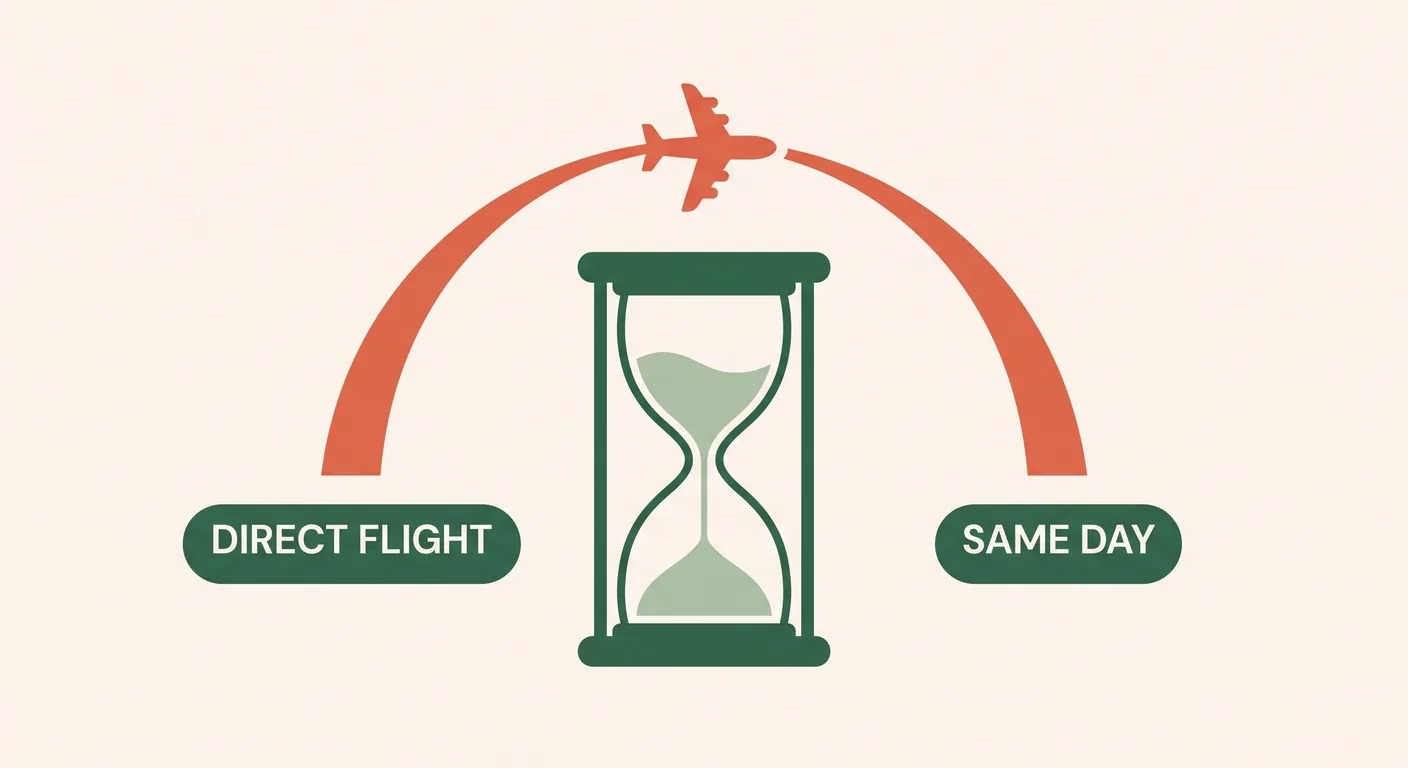
Eight hours is our ceiling from crate to collection, and we will change the date before we accept a routing that breaks it. If your nearest airport only takes connections, we will say so before you pay and look at the other two routes with you.
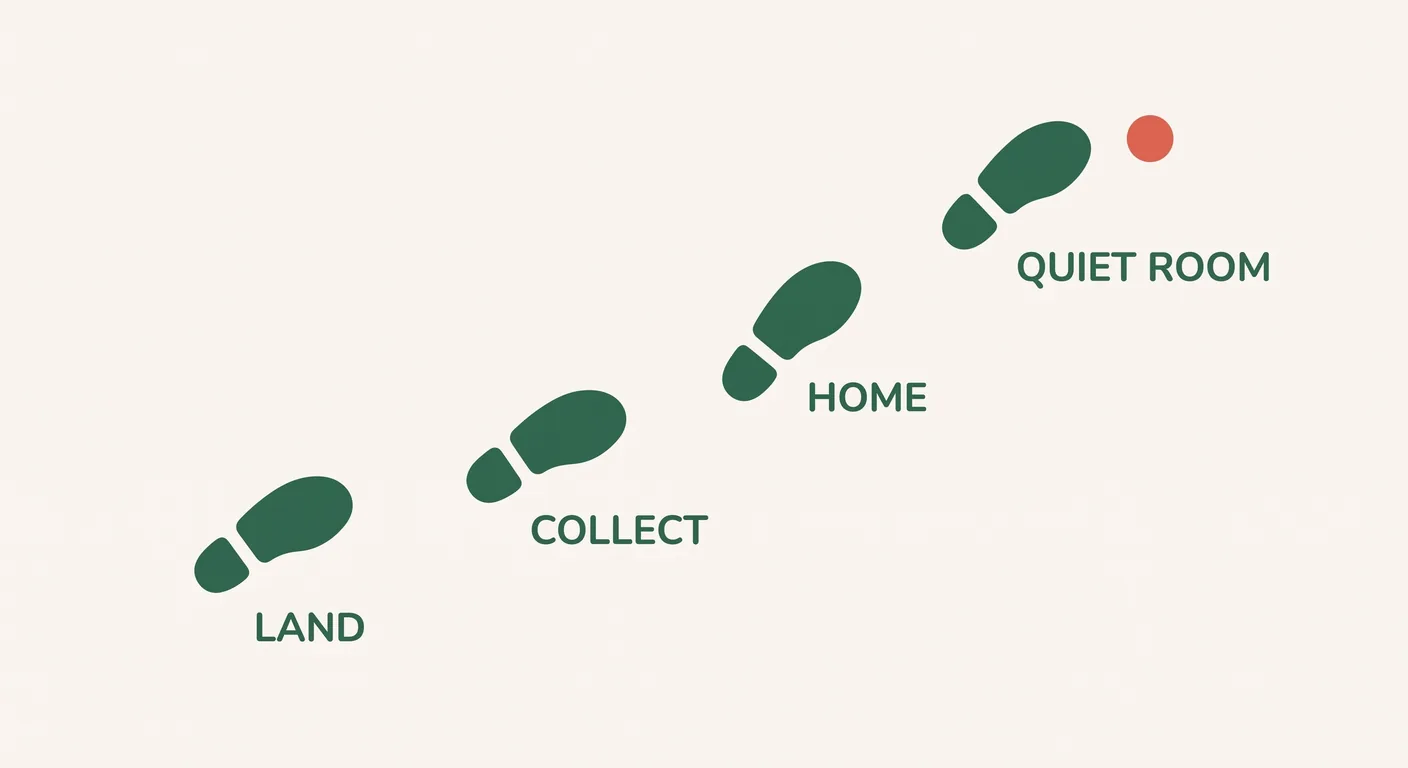
You collect, you bring your bird home, you put the crate in a quiet room and let it open in its own time. Food and water go in straight away, visitors do not. The first evening is for settling, not introductions, and the vet appointment you booked earlier does the rest.
Buyers in these five states ask us three practical questions more than any others. They ask which airport, what the drive looks like at the other end, and whether the paperwork changes at a state line. It does not.
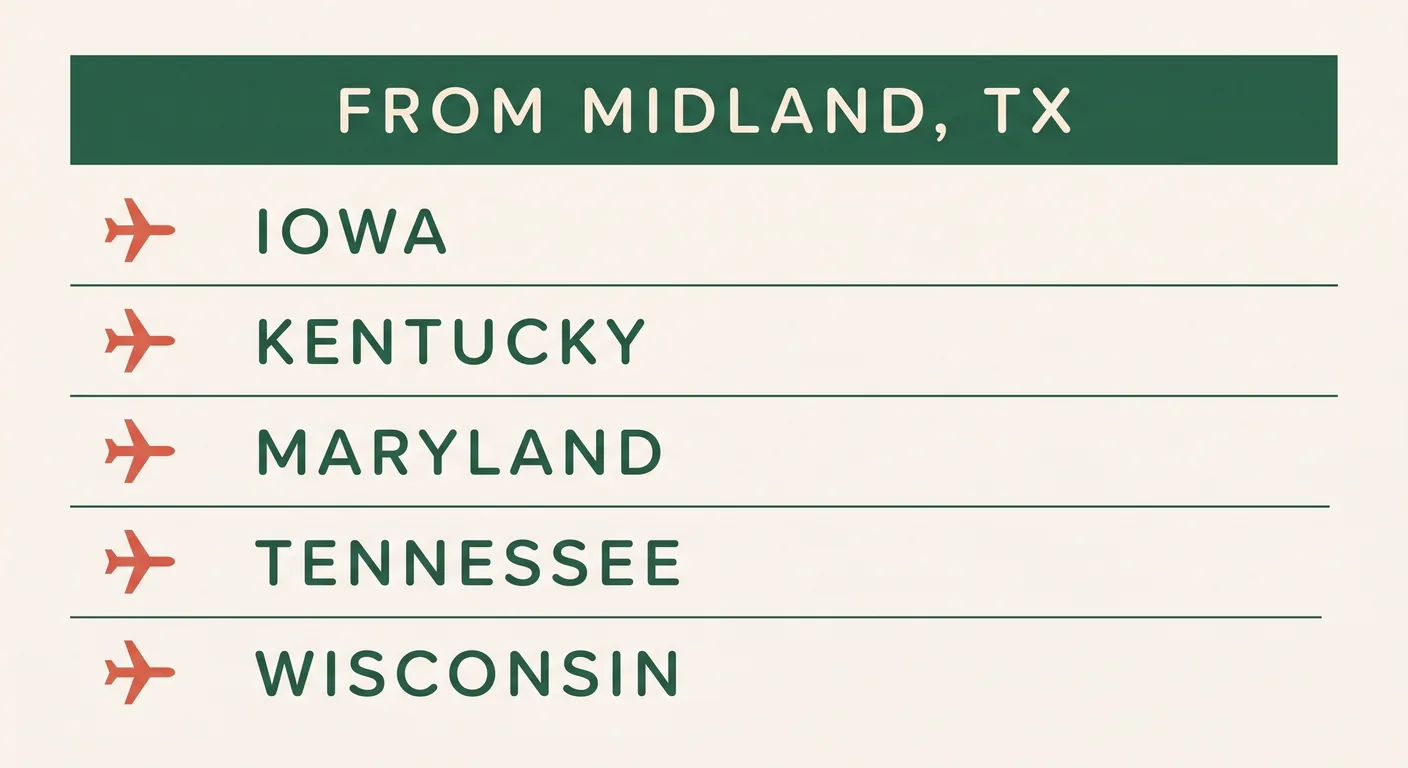
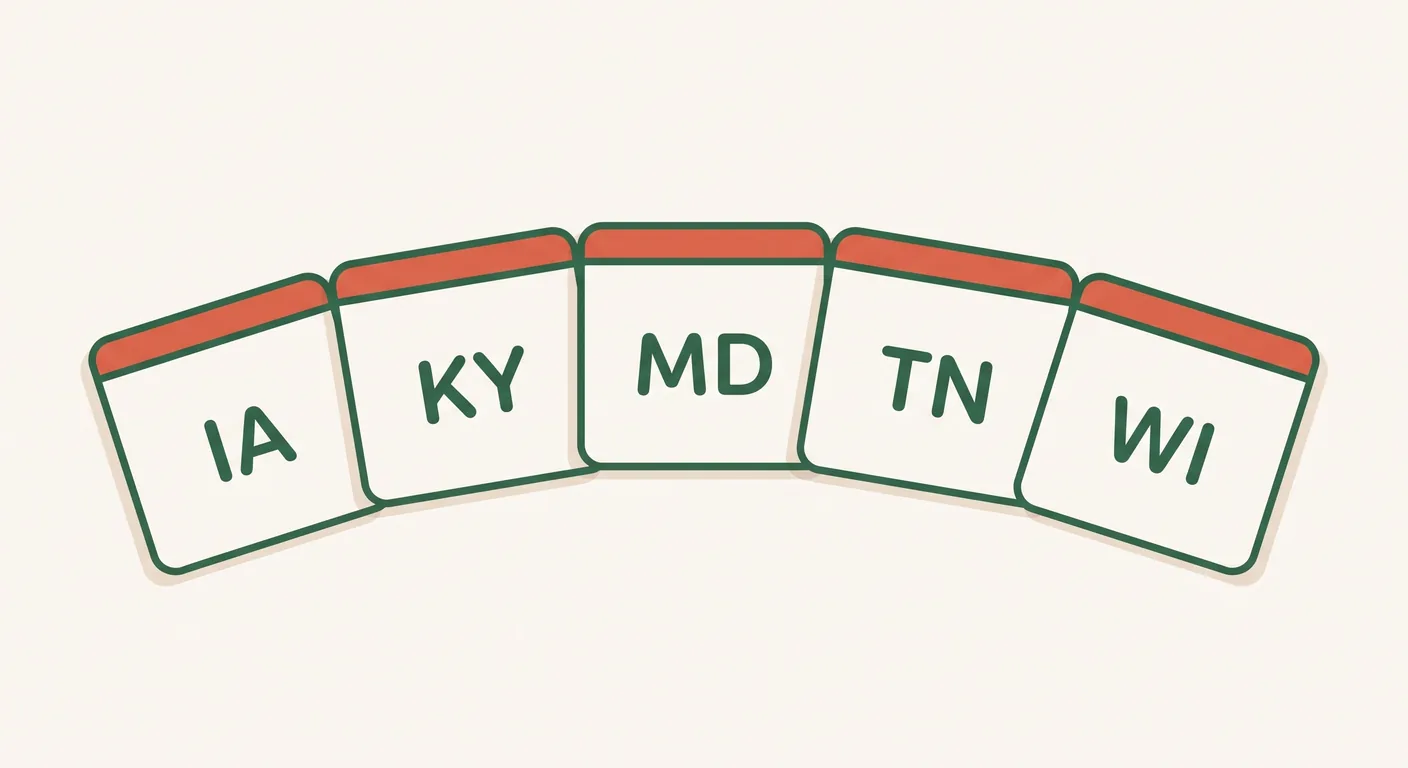
Three questions, in this order: how the bird travels, what arrives with it, and what happens if something is wrong on the first day. The answers are the same whether you are in Des Moines or Baltimore, which is rather the point of writing them on one page instead of five.
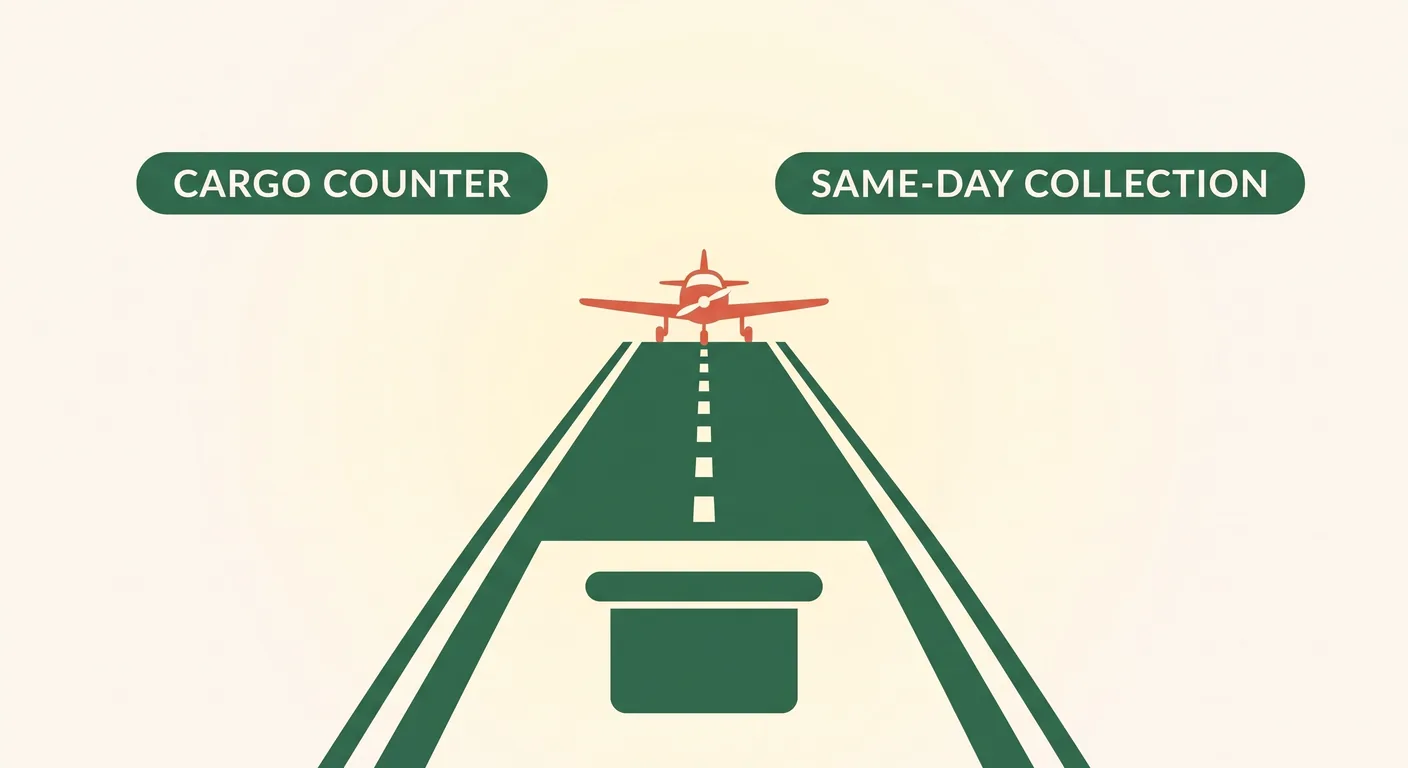
It changes the day rather than the price. A direct route means an afternoon collection; a city served only by connections means we look at home delivery instead. Tell us your city and we will tell you which of the three routes actually works from here.
Fact ↗Both are African Greys, and the two subspecies of Psittacus erithacus differ in size, tail colour and beak more than most buyers expect. Which one suits you is a question about your rooms and your routine rather than about which bird is better.
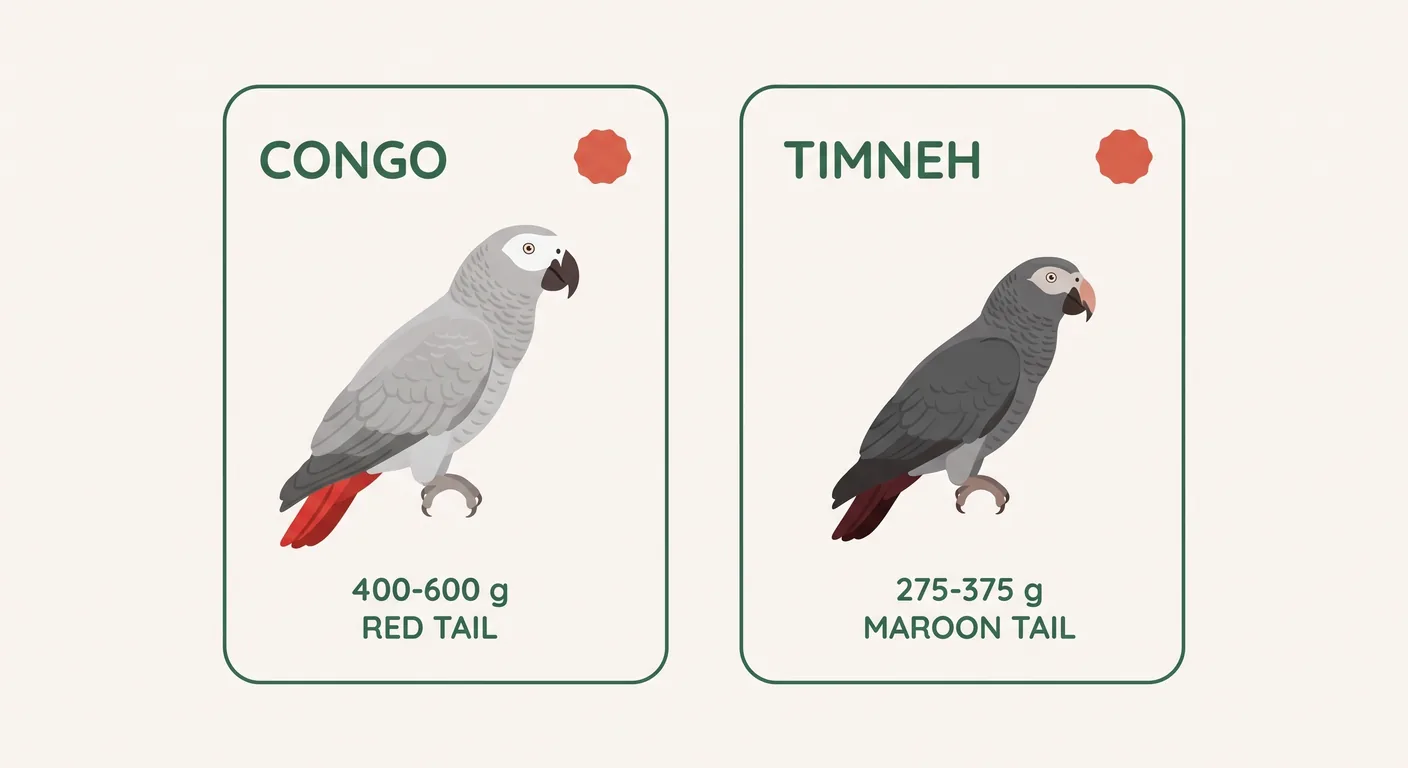
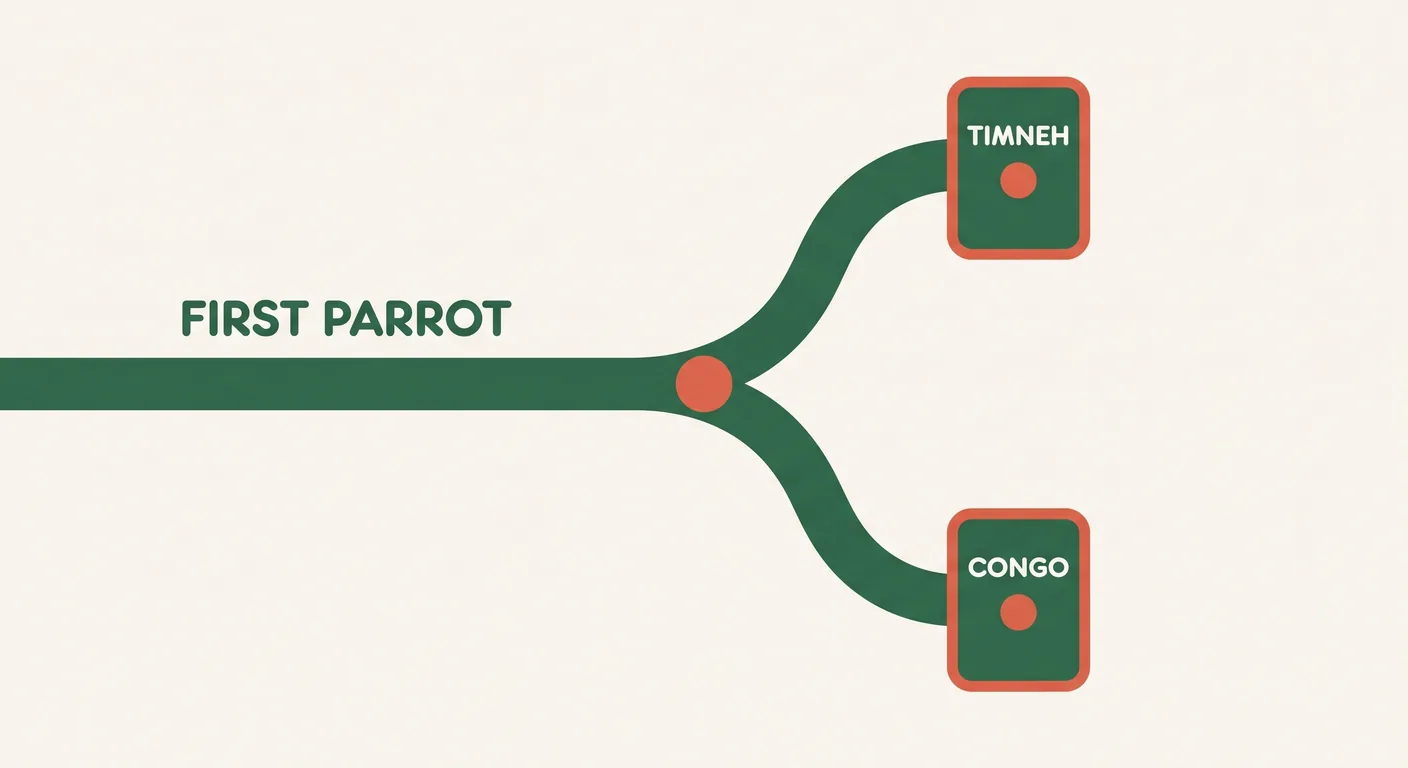
Fact ↗A well-kept African Grey lives 40 to 60 years, so a bird bought this year may still be with your household in the 2080s. That is the fact worth sitting with before the price is. We point most first-time owners at a Timneh, because ours tend to settle faster and take household noise in their stride. That is a tendency, not a rule, and Bery would suit a beginner better than some Timnehs would. The full comparison sets both birds out trait by trait if you want to decide it yourself.
If you already know which one you want
Go straight to the subspecies pages, where each bird is set out on its own with its own photographs and price: Congo African Greys for sale or Timneh African Greys for sale. Buyers looking for a breeder near them can start from the state grid instead.
A fraudulent listing fails the same five tests every time, and running them costs you ten minutes. We publish them knowing they apply to us as much as to anyone else selling a bird online.
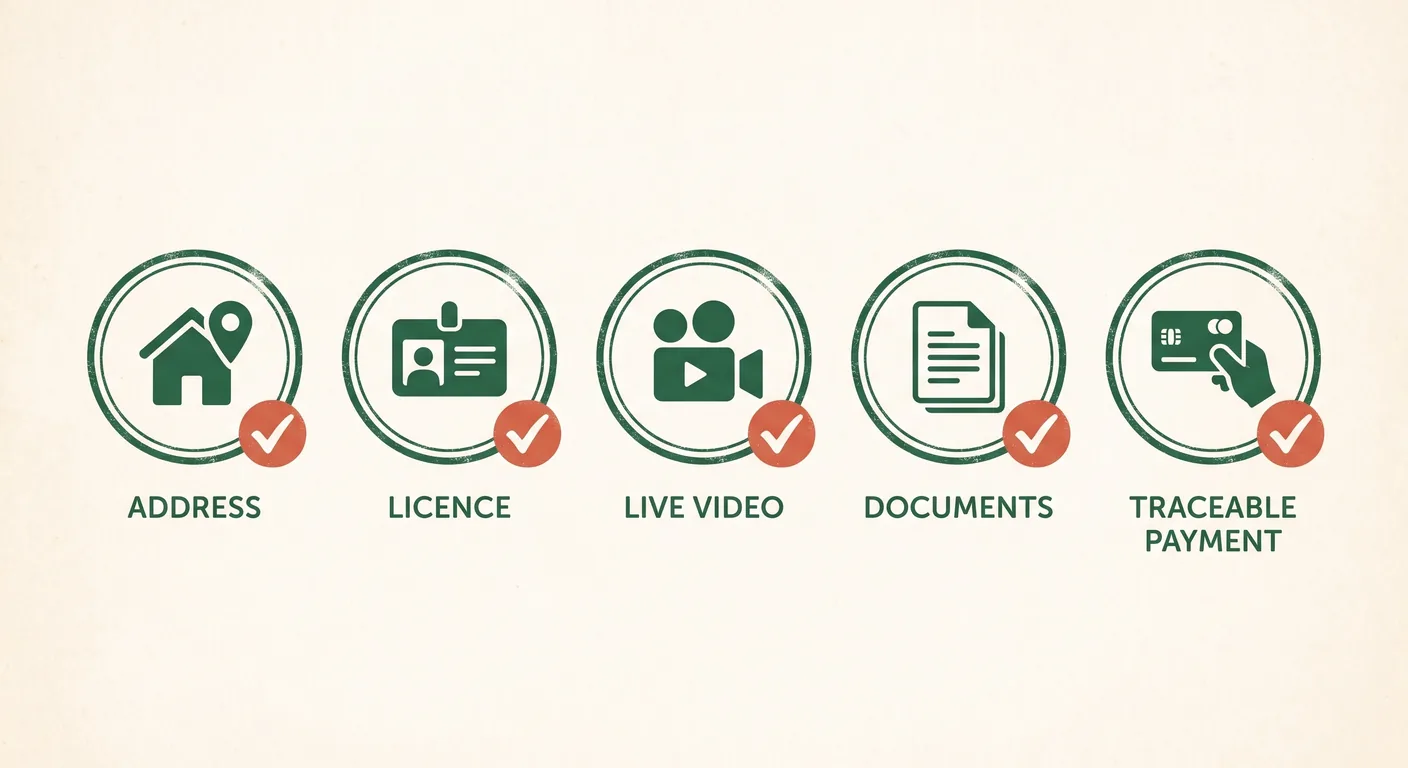
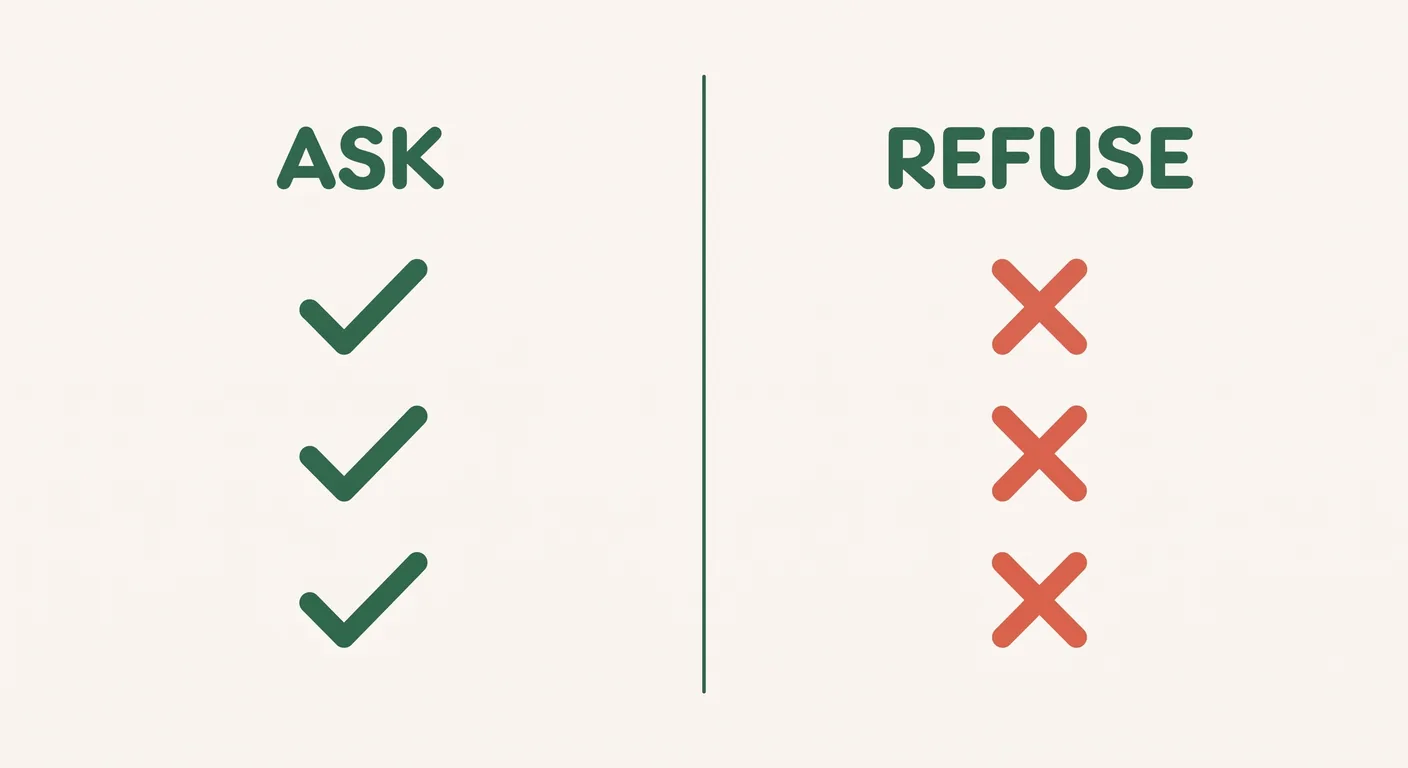
Ask for the address, the licence, the live call and the folder. Refuse a wire transfer, a gift card, a peer-to-peer app and any story about why the bird cannot be seen moving today. The refusals matter more than the questions, because a seller only needs one irreversible payment route to disappear down.
It is the single hardest thing for a fake listing to produce. Ask for the call now, not later, ask the seller to move the bird onto a hand, and ask a question they have to answer live. A recorded clip proves a parrot existed somewhere once; a live call proves this one exists today.
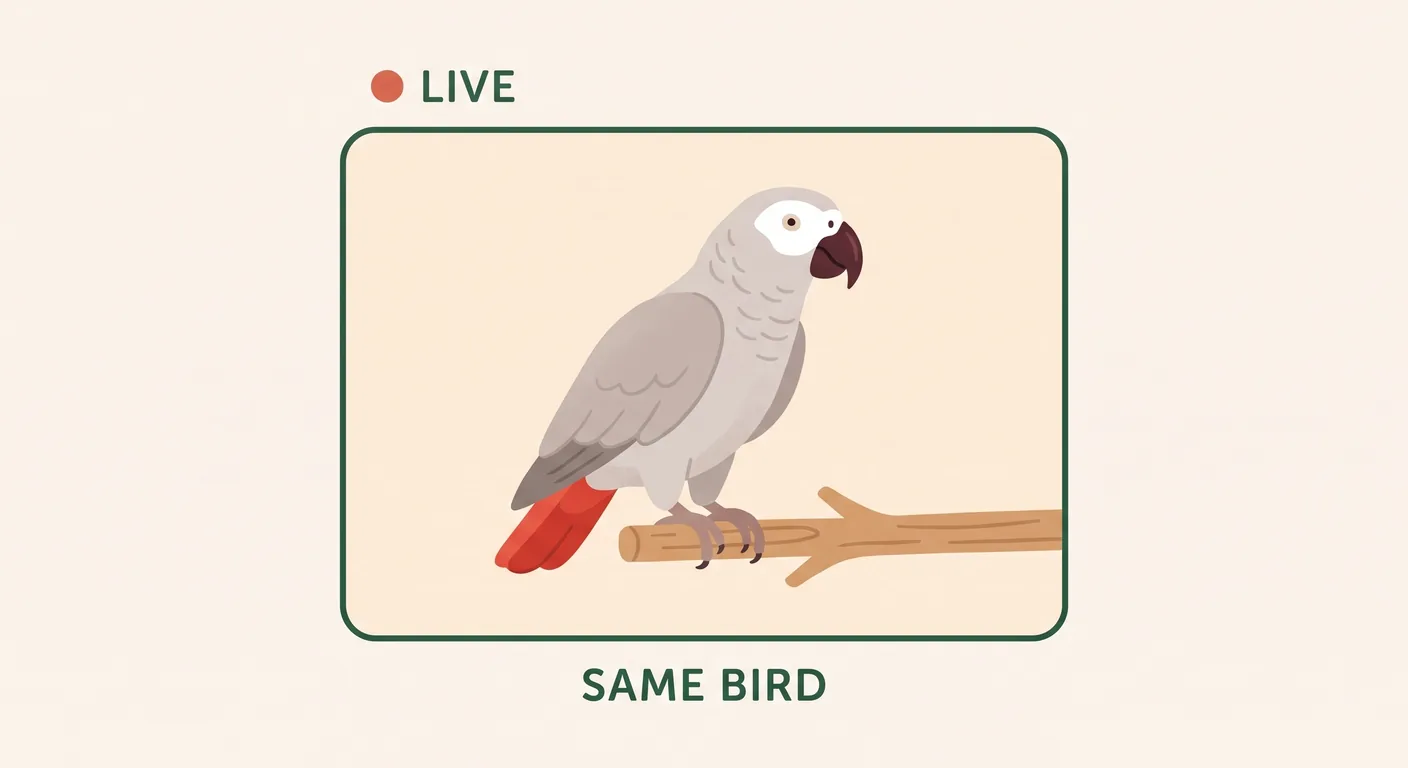
Every other signal can be faked cheaply: photographs, testimonials, a professional-looking site, even a licence number copied from a real aviary. A physical place with people at it is the one thing a fraudulent seller cannot manufacture, which is why our guide to spotting a scam starts there rather than with the price.
Twelve questions, answered the way we would answer them on the phone. Where a question has a number in it, the number comes from the same data file the prices on this page read from.
From the people who hatched it, ideally, and you should be able to find them on a map. We are a family aviary in west Texas, we have six birds available as this page stands, and every one of them was raised in our house, not bought in to resell. A breeder who raised your bird can tell you what it eats, how it behaves at dusk and which of its parents it takes after. A reseller can only tell you the price.
Yes, with one condition: everything you cannot see in person has to be verifiable another way. Ask for a live video call with the specific bird, on the day, not a clip that could be a year old. Ask for the paperwork before you pay, not after. Check the price against what raising a bird actually costs, which is the table further up this page. Pay by a method that leaves you recourse. If a seller resists any of those four, the problem is the seller.
Ours run from $1,500 for a Timneh hen to $3,500 for the companion pair, and the price ladder above shows what else the internet was asking on one day in August. The honest range is wide because birds differ in age, sex and subspecies, but it has a floor. Below roughly two thousand dollars, something in the listing is usually untrue, and Google's own summary of this search pushes buyers the other way by calling eight thousand typical.
After weaning, which for these birds lands somewhere between twelve and sixteen weeks. An unweaned chick is the single most common thing to go wrong in this trade, because hand-feeding is a skill with a real risk of aspiration and crop burn, and a seller who hands that job to a first-time buyer has moved their risk onto you. We finish the job here. When a bird leaves, it eats on its own.
Not as a pet owner in the United States. The treaty listing that governs these birds restricts international commercial trade in wild-caught ones, and it does not stop you owning a bird bred in this country with its papers in order. State and city rules differ on numbers and noise, not on the species, so check locally if you keep several birds, and keep your folder somewhere you can find it.
Three ways, and the section above sets each one out. Airport cargo at $185 is what most buyers choose: your bird flies as manifested live-animal cargo on a direct flight where the route allows, and you collect at the airline's cargo desk. Home delivery at $350 brings the crate to your door. A cabin seat with a flight nanny is $750 and is quoted per route, because the nanny's own ticket sets the cost.
It is, when the bird is old enough, the crate meets the live-animal standard and the flight is direct. Connections are where handling and temperature risk accumulate, so we book around them. Our birds travel fully weaned and vet-cleared, with the health certificate taped to the crate because the airline asks for it. We also cover anything transit-related for twenty-four hours from the moment you take possession.
A paper folder and a ringed bird. The folder holds the written health guarantee, the avian veterinary certificate from the pre-sale examination, the sexing certificate, the treaty paperwork and the hatch record. The ring is already on your bird's leg, and its number appears on the certificates so you can match the documents to the parrot yourself on day one. The paperwork section on this page lists each document and what it proves.
Yes, and we would rather you did. We are two or three hours from a good part of Texas and buyers drive it regularly. If you cannot make the trip, a video call is the next best thing and we will do it whenever you ask. What we will not do is take a deposit from somebody who has never seen the bird move.
A $200 deposit holds a bird and comes off the balance. It is what stops us selling a bird twice while you arrange a flight. If something changes on your side before travel, tell us early and we will talk about it rather than hide behind a policy; if a bird's health changes on our side, you get the deposit back and your choice of the others. Nothing is taken through the form on this page.
No, and the questions on the form are how we decide. We do not sell to pet stores, to commercial breeding operations or to anyone buying to resell cheaply, and we ask directly instead of guessing. We also ask whether you have surrendered an animal before, because a straight answer tells us more than a perfect one. A bird that may live forty years deserves that conversation.
Within a day, and usually the same afternoon. It will be Mark or Teri writing, not a queue, which is also why we answer questions about birds we do not have and routes we cannot fly. If you have not heard from us in twenty-four hours, something went wrong with the email, not with your enquiry, so send it again.
The four questions worth asking every seller are in the price section above, and the five checks are the section before this one. Run both on us. If anything we have written here does not survive the checking, we would rather hear it from you than have you wonder.
Your deposit holds one named bird, the folder is prepared in your name, and we agree a travel date that suits the route, not the calendar. Between reserving and flying we send photographs, because the waiting is the hardest part for most buyers.
Tell us which bird has caught your eye and the city you are in; Mark or Teri will answer within the day. A $200 deposit holds a bird; nothing is taken through this form.
Every bird below is here, weaned or weaning, with its folder already started.
Ships nationwide · $185 airport · $350 home · $750 cabin · free collection here.
Those two facts are enough for us to answer properly: the bird decides the price and the paperwork, your city decides the route. Everything else we can work out in the reply.