African Grey Parrot Price: What $1,700–$3,500 Actually Gets You
Not just a number — what the money buys. The real Congo and Timneh ranges, exactly what's included, and why the cheapest bird is almost always the costliest.
Written by Mark & Teri Benjamin · C.A.Gs African Grey breeders, Midland TX · USDA-licensed since 2014
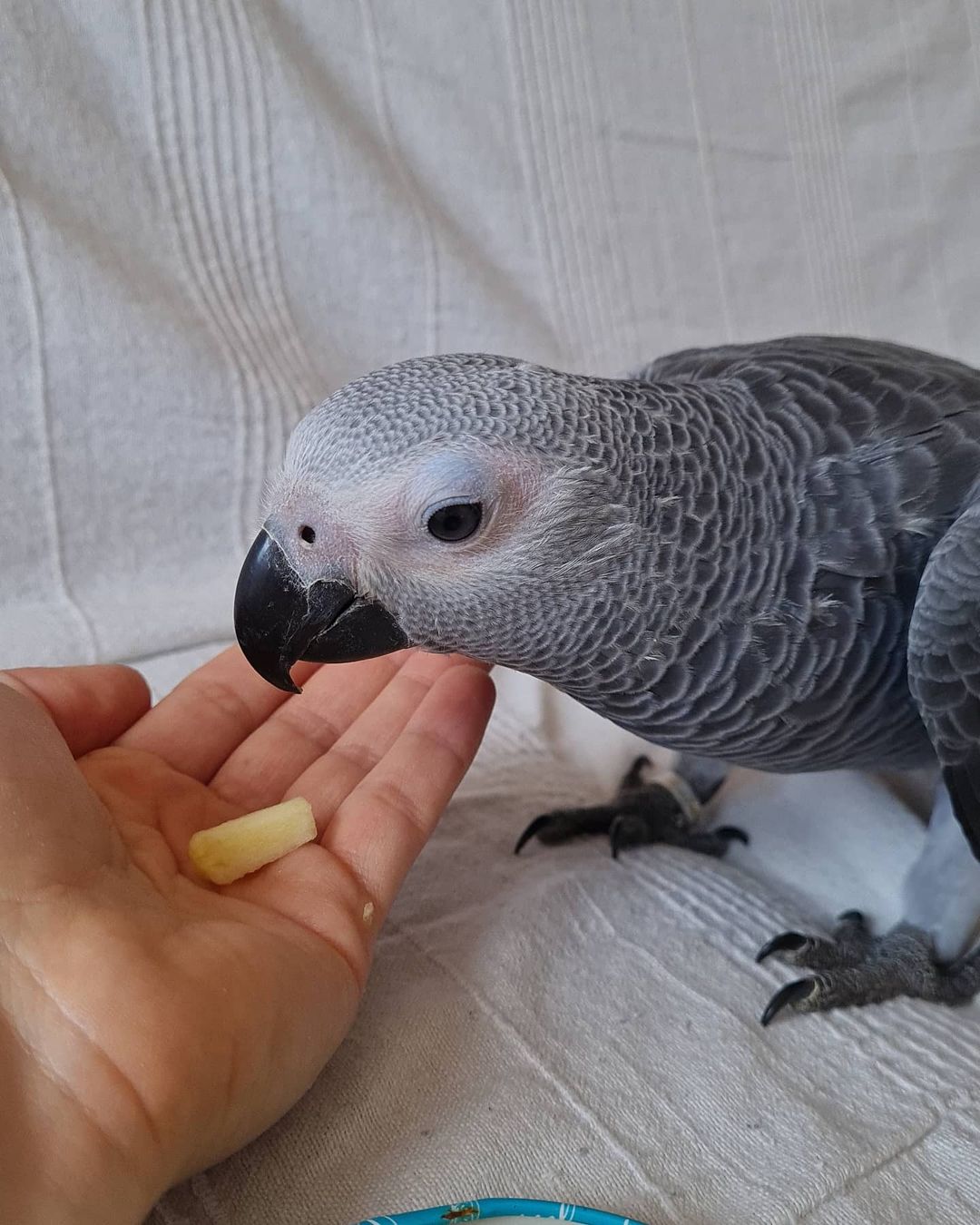
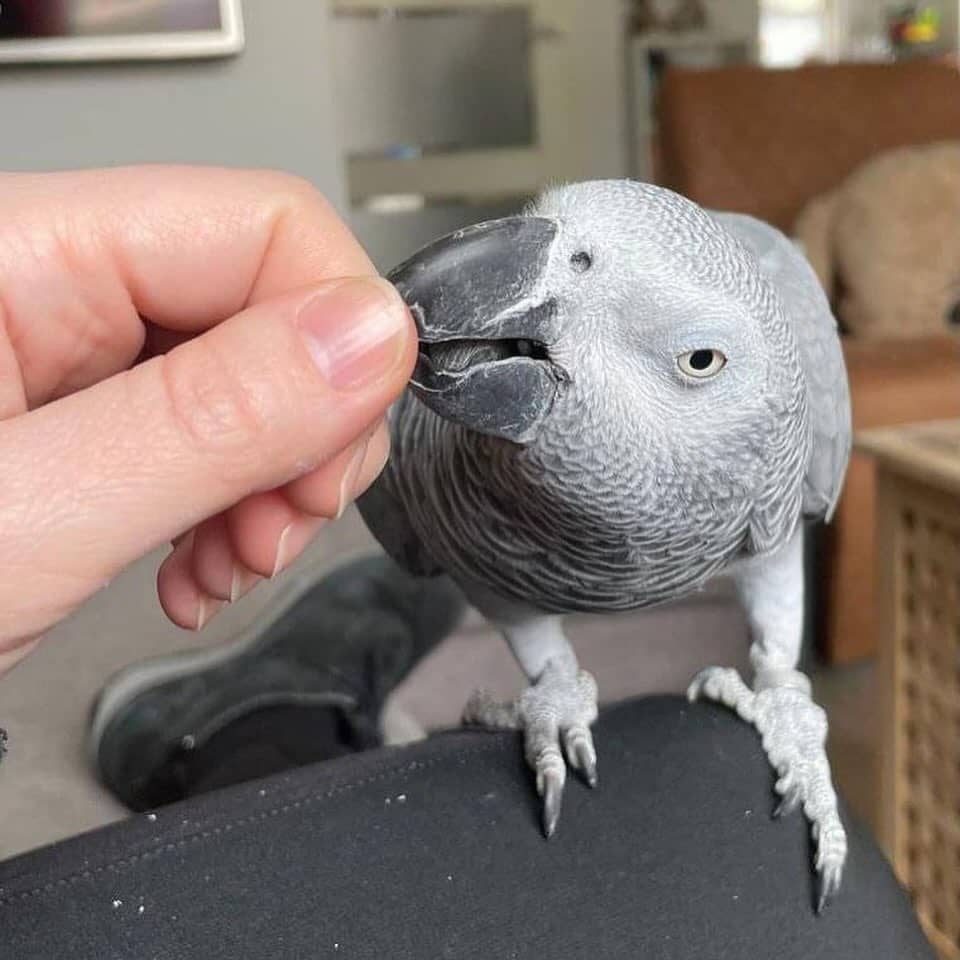
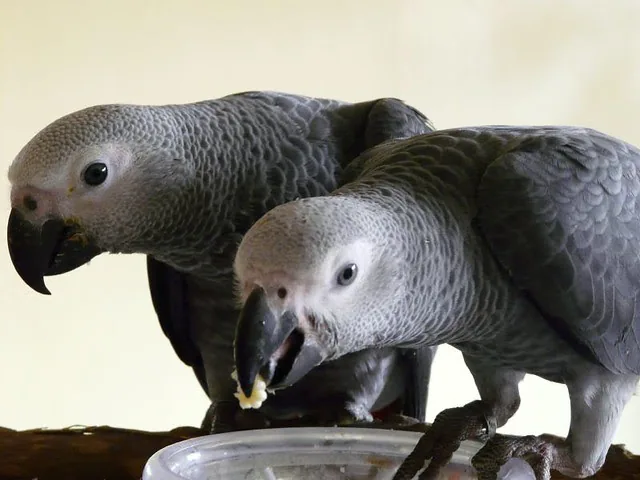
What the price buys — a healthy, documented, hand-raised Grey.
$1,700
Honest Floor
Included
Docs & Tests
40–60 yr
Commitment
$185
Ships Nationwide
Want the full price, in writing, with nothing hidden?
Tell us what you're looking for and we'll send the exact price, what's included, and the birds available now — no pressure.
✓ USDA AWA Licensed✓ CITES Appendix I✓ DNA Sexed✓ Avian Vet Certified✓ Ships Nationwide
On This Page
The short answer
What Does an African Grey Parrot Cost?
A hand-raised African Grey from a real breeder runs $1,700–$3,500: our Congo babies are $2,300–$2,500, a tame adult Congo about $1,700, and a Timneh $1,500–$1,600. That price includes PCR DNA sexing, an avian-vet certificate and CITES Appendix I papers — anything far cheaper usually isn't a bargain, it's a missing bird, missing papers, or a sick one.
Congo range$1,700–$3,500
Hand-raised baby$2,300–$2,500
Timneh$1,500–$1,600
IncludedDNA, CITES, vet cert
How Much Does an African Grey Parrot Cost?
Ask the internet what an African Grey costs and you'll get everything from $500 to $13,000 — forums, marketplaces and cost-guides that never quite agree. Here's the honest version from people who actually raise them: a documented, hand-raised African Grey sits between $1,700 and $3,500 — African Greys are slow to breed and demanding to raise, as the World Parrot Trust's grey parrot profile ↗ makes clear — and where a bird lands in that band comes down to age, subspecies and how much real work went into it.
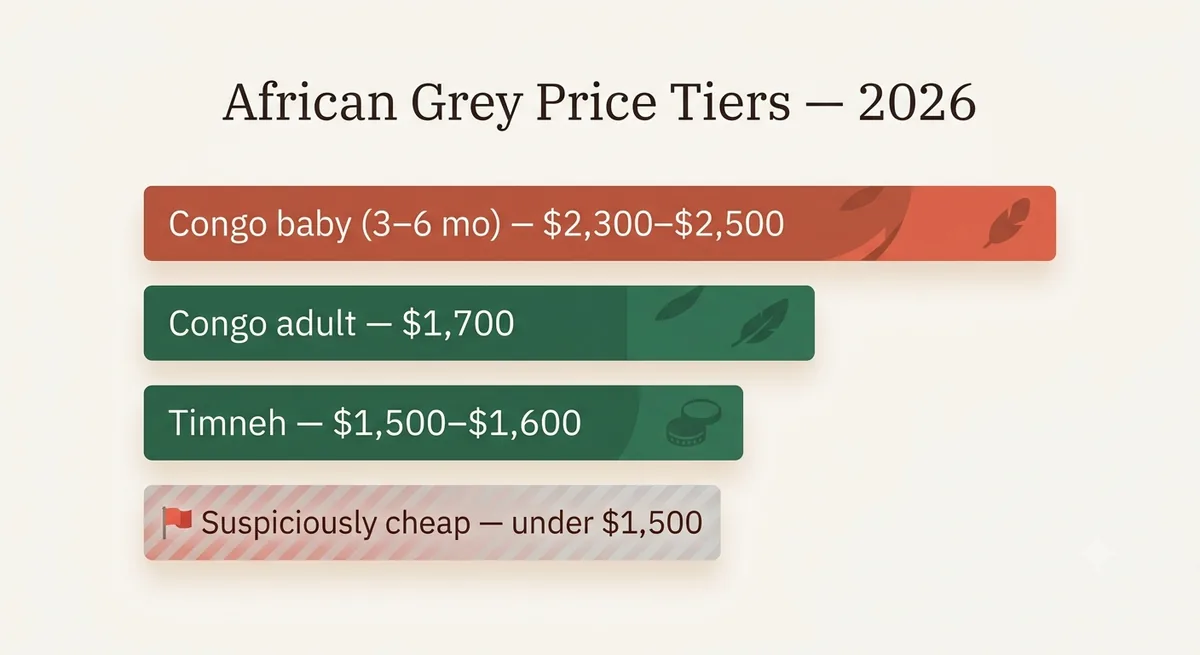
African Grey price tiers — where each bird falls, and the under-$1,500 red flag.
Bird
Typical price
What it is
Congo baby (3–6 mo)
$2,300–$2,500
Hand-raised, weaned, socialised — our main bird
Congo adult
$1,700
Tame, established personality
Timneh African Grey
$1,500–$1,600
Smaller, often an earlier talker
Suspiciously cheap
under $1,500
Red flag — see the cheap-bird section
Breeder verdict: Our hand-raised Congo baby sits at the top on purpose — it's the most work to produce and the easiest bird to bond with. A Timneh is the value pick; anything under $1,500 is a warning, not a deal.
What's the Real Price Range in 2026?
Congo vs Timneh vs Baby vs Adult Pricing
The two subspecies set the floor and the tiers set the rest. A Congo African Grey — the larger, red-tailed bird — runs $1,700 for a tame adult up to $2,500 for a hand-raised baby. A Timneh is a little smaller and a little cheaper at $1,500–$1,600. Babies cost more than adults everywhere, because a weaned, socialised chick is months of daily labour, not a markup.
Why hand-raised babies sit at the top of the range
A hand-raised baby is the most expensive bird to produce and the easiest to live with — and those two facts are connected. Every day from hatching, that chick is hand-fed, handled and gentled, so it arrives bonded to people and ready to train. You're not paying a premium for a younger bird; you're paying for the work that makes it tame.
Breeder note: where our birds fall on that range
We price honestly and narrowly: $2,300–$2,500 for a hand-raised Congo baby, $1,700 for a tame adult, $1,500–$1,600 for a Timneh. We'd rather quote a fair, fixed figure than dangle a low headline price and claw it back in "extras" — the papers, testing and support are all already in it.
Why Do African Grey Prices Vary So Much?
The Factors That Move the Price
Most of the spread you see online is the difference between a documented breeder bird and an undocumented one — and because the African Grey is, in the wild, a species the World Wildlife Fund flags as heavily trapped ↗, captive-bred documentation is exactly what keeps a legitimate bird legitimate. Age, subspecies, how socialised the bird is, the testing and paperwork behind it, and the breeder's track record all move the number — and the gap between a $1,700 papered Grey and a $700 "bargain" is exactly the gap in everything that protects you.
Age, socialisation, testing and breeder reputation
A hand-raised, fully tested baby from an established aviary costs more than an unweaned, untested bird from an unknown seller — and it should. The cheaper bird hasn't skipped a markup; it's skipped the DNA test, the vet check, the weeks of weaning and the lifetime support. You pay the difference later, usually at the vet.
Breeder note: what we won't cut to hit a price
There are corners we won't cut to advertise a lower number: the PCR DNA test, the avian-vet certificate, the full weaning, and the time each chick spends being socialised. Cut those and the price drops — but so does everything that makes the bird healthy and tame, which defeats the entire point of buying one.
What Do You Actually Get for $1,700–$3,500?
This is the question competitors never answer. They'll tell you a number; almost none tell you what the number buys. Here at C.A.Gs every figure is an all-in price — the documentation, the health testing and the support are part of the bird, not upsells bolted on at checkout. Here's the line-by-line.
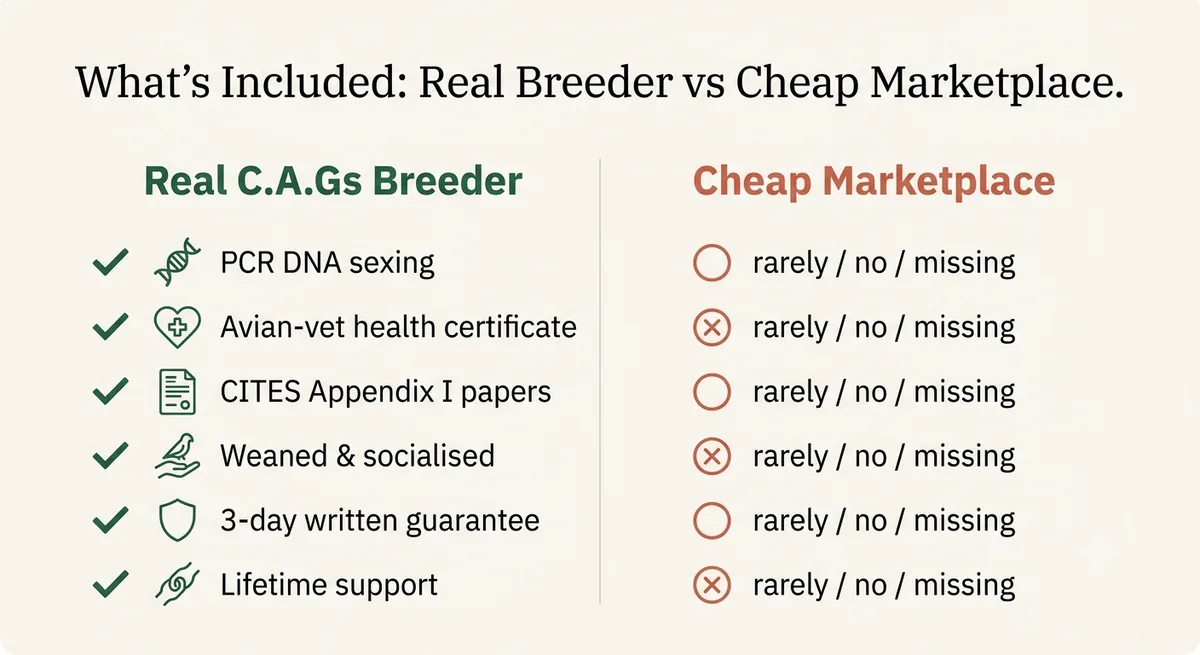
What the price includes — and what a cheap marketplace leaves out.
What you get
Real C.A.Gs breeder
Cheap marketplace
PCR DNA sexing certificate
Included
Rarely
Avian-vet health certificate
Included
Almost never
CITES Appendix I papers
Included
Often missing
Weaned & hand-socialised
Yes
Often sold unweaned
3-day written health guarantee
Yes
No
Lifetime breeder support
Yes
None
Breeder verdict: The price gap between a real breeder and a cheap marketplace is exactly this column of inclusions — testing, papers, weaning and support. That's what you're buying, not just the bird.
What's Included With Every C.A.Gs Grey?
Documentation, Testing and Health
Every Grey leaves us with a full paper trail: a PCR DNA-sexing certificate, an avian-vet health certificate, CITES Appendix I captive-bred documentation, a hatch certificate and closed band, and a 3-day written health guarantee. None of it is optional or extra — it's the difference between a documented companion and a bird you simply hope is healthy and legal.
PCR DNA sexing, avian-vet certificate and CITES papers
The PCR DNA test tells you, for certain, whether your Grey is male or female — not a guess. The avian-vet certificate is a real exam by a member of the Association of Avian Veterinarians ↗, not a glance. And because African Greys are CITES Appendix I, the captive-bred paperwork is what makes owning and transporting one fully legal. A seller who can't produce all three is selling you risk.
Citation: CITES Appendix I captive-bred status
African Greys are listed on CITES Appendix I (uplisted in 2017), so every bird must be captive-bred with documentation to be legally owned and shipped. The CITES convention text ↗ sets the framework, and our birds are captive-bred in the USA with the papers to prove it — never wild-caught.
What Hidden Labour Are You Paying For?
Hand-Feeding, Weaning and Socialisation
The biggest line item you'll never see itemised is time. A hand-raised Grey represents months of feeding a chick by hand every few hours, weaning it onto solid food, and handling it daily so it grows up trusting people. That labour is the whole reason our birds arrive tame and trainable — and it's the single hardest thing for a cheap seller to fake.
The months of daily work behind a tame chick
From hatching to going home, a baby Grey is handled, talked to and gentled every single day. By the time it ships it already reads a hand as safe and a person as family — the foundation that makes training work and the reason a well-raised bird is worth more than a bargain one.
Breeder note: the real cost of hand-raising
People are sometimes startled that a bird costs as much as it does until they watch what a clutch actually takes — the 2am feeds, the weeks of weaning, the daily socialising. The price isn't a markup on a wild animal; it's the honest cost of raising a healthy, human-bonded companion the right way.
Why Is a Cheap African Grey the Most Expensive Mistake?
Nothing on this page matters more than this section, so we'll be blunt and we won't joke about it: the cheapest African Grey listing is almost never the cheapest bird. A suspiciously low price is the single most reliable sign of a sick, undocumented, unweaned — or entirely imaginary — bird, and the savings vanish the moment reality arrives.
Low-price red flag
What it usually means
Priced under $1,500
No papers, unweaned, or a scam
No CITES / DNA / vet certificate
Illegal, untested, or wild-caught risk
Won't do a live video call
The bird may not exist
Wants wire, gift card or crypto
Irreversible — classic advance-fee scam
No verifiable address or licence
Nobody to hold accountable
Breeder verdict: Any one of these is a reason to walk away. Two or more is a scam in progress — keep your money.
What Does a Suspiciously Low Price Really Mean?
The $1,500 Price-Floor Red Flag
A legitimate, documented, hand-raised African Grey simply costs more than $1,500 to produce, so a price below that floor is doing something other than being generous. Usually it means the paperwork doesn't exist, the bird was never properly weaned or vetted, or the listing is bait for an advance-fee scam where you pay "shipping" for a bird that never ships. The Better Business Bureau's scam tracker ↗ logs these advance-fee pet cons by the thousand.
Sick, unweaned or undocumented — the cheap-bird risks
The three cheap-bird outcomes all end at the same place. A sick bird means avian-vet bills that dwarf the saving. An unweaned chick can die in an inexperienced home. An undocumented Grey can't be legally proven captive-bred. You didn't save money — you bought a problem with a discount sticker on it.
Myth
A cheaper African Grey is the same bird for less money — a smart buy if I can find one.
Fact
It's almost never the same bird. The price difference is the testing, papers, weaning and support that were skipped. A cheap Grey is a different, riskier purchase wearing a lower number — and the gap reappears, with interest, at the vet or in a scam you can't reverse.
How Do You Spot a Price Scam?
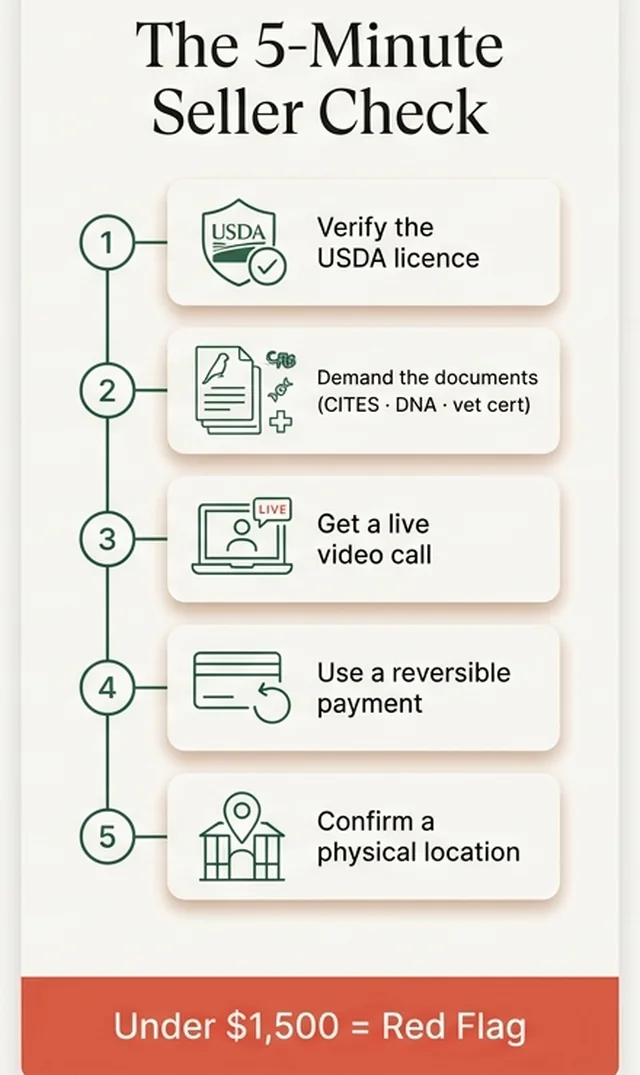
The 5-Minute Seller Check
Before you send a deposit to anyone, run this five-step check. It takes about five minutes and it's the cheapest insurance in birds. If a seller fails any single step, that's your answer — and the more they resist, the clearer the answer gets.
Run this five-step check before you pay anyone — under $1,500 is a red flag.
1. Verify the licence. Ask for the USDA licence and breeder details, and confirm they're real before anything else.
2. Demand the documents. CITES Appendix I papers, a PCR DNA certificate and an avian-vet certificate — see them before you pay.
3. Get a live video call. Ask to see the actual bird, live, on video. A refusal almost always means there's no bird.
4. Use a reversible payment. Never wire money or send gift cards or crypto. Use something you can dispute and claw back.
5. Confirm a physical location. Verify the address and that the bird is genuinely where the seller says it is.
Licence, papers, video call, reversible payment, location
Those five are deliberately simple. As the FTC's guidance on avoiding pet scams ↗ documents, the cons rely on you skipping the boring checks in the excitement of a "deal." A real breeder will happily clear every one — we'd rather you ran this check on us than lost money to someone who couldn't. For more, our full guide to avoiding African Grey scams walks through the cons in detail.
Breeder note: the calls we tell every buyer to make
We tell buyers to phone the avian vet on the health certificate and to verify the USDA licence — even when the bird is ours. A legitimate breeder has nothing to hide and everything to gain from you checking; the only person who fears a five-minute verification is the one running a scam.
What Does an African Grey Really Cost Beyond the Purchase Price?
The sticker price is the start, not the whole bill. A Grey needs a proper cage, a vet, good food and a steady stream of toys it will destroy with great enthusiasm. None of it is extravagant, but it's real — and the buyers who thrive are the ones who budgeted for it before the bird arrived, not after. For the full breakdown see our complete African Grey cost-of-ownership guide; here's the short version.
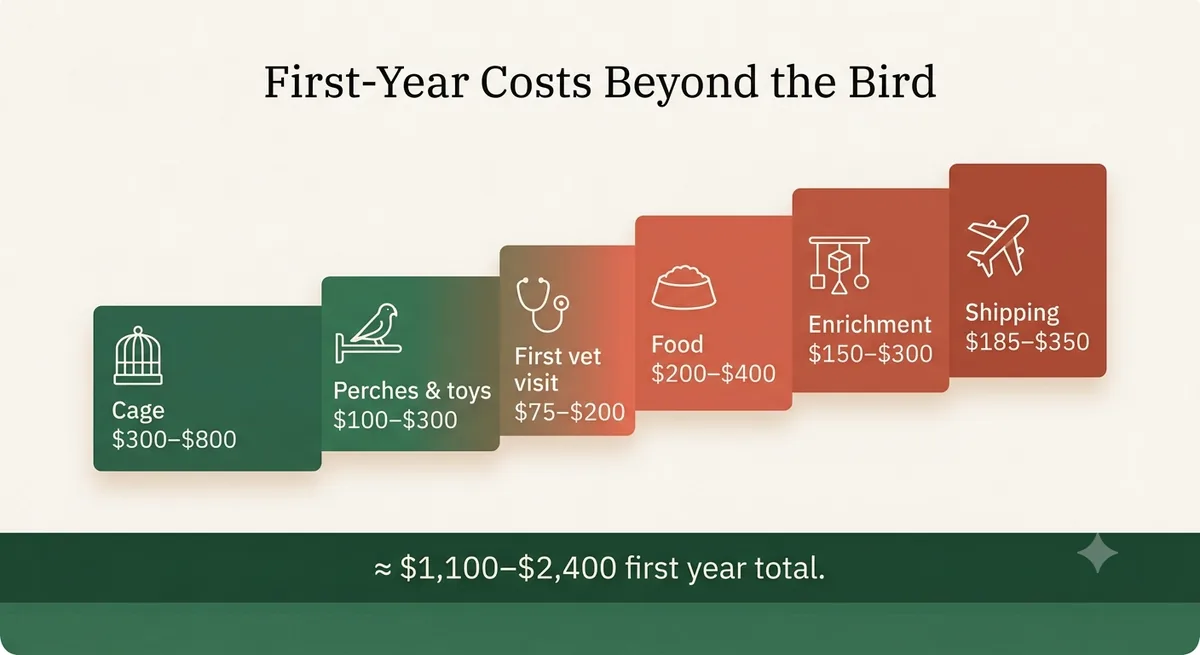
First-year setup beyond the bird — roughly $1,100–$2,400.
First-year item
Typical range
Large cage
$300–$800
Perches & toys
$100–$300
First avian-vet visit
$75–$200
Pelleted food (year)
$200–$400
Enrichment (year)
$150–$300
Shipping (airport/home)
$185–$350
Breeder verdict: Budget roughly $1,100–$2,400 of first-year setup on top of the bird. The cage is the one place not to economise — a Grey lives in it for decades.
What Are the First-Year Setup Costs?
Cage, Perches, Vet and Food
The big first-year items are a large, safe cage and its perches, a first avian-vet wellness visit, and a few months of good pelleted food and fresh produce. Buy the cage right the first time — a cramped or unsafe one costs more in stress, vet bills and replacement than simply buying well at the start.
A realistic first-year budget
Add it up and a sensible first year beyond the bird runs about $1,100 on the lean end to $2,400 if you go premium on the cage and setup. Shipping belongs in that first-year figure too: our Greys travel on IATA Live Animals Regulations-compliant ↗ flights — $185 to your nearest airport, $350 home. That's the honest number competitors' "just the price" headlines leave out — and knowing it up front is exactly what separates a happy owner from an overwhelmed one.
What Does It Cost Every Year After That?
Food, Vet and Toy Replacement
Once you're set up, the running costs settle down: pelleted food and fresh produce ($200–$400), an annual avian-vet wellness check ($75–$200), and a steady replacement of toys a Grey will happily shred ($100–$250). Call it $400–$1,100 a year for a healthy bird in a normal year.
Budgeting for the unexpected vet bill
The line everyone forgets is the one that bites: the unexpected vet bill. African Greys hide illness, and an emergency avian visit can run into the hundreds fast. Keep a small buffer ($0–$500 a year, realistically) so a sick bird is a phone call, not a financial crisis — it's the kindest insurance you can give a 40–60 year companion.
Breeder note: the 40–60 year commitment
We say it to every buyer: an African Grey can outlive the decade you're planning around — they live 40 to 60 years. The purchase price is a rounding error against a lifetime of food, vet care and time. Buy the bird because you want the relationship for the long haul, not because the number on day one felt affordable.
Is an African Grey Worth the Price?
Honestly? For the right home, an African Grey is worth every dollar — and for the wrong one, no price is low enough. Worth isn't really about the figure; it's about whether you want a brilliant, demanding, decades-long companion that talks back. If you do, the question stops being "is it expensive?" and becomes "which Grey, and what should I budget?"
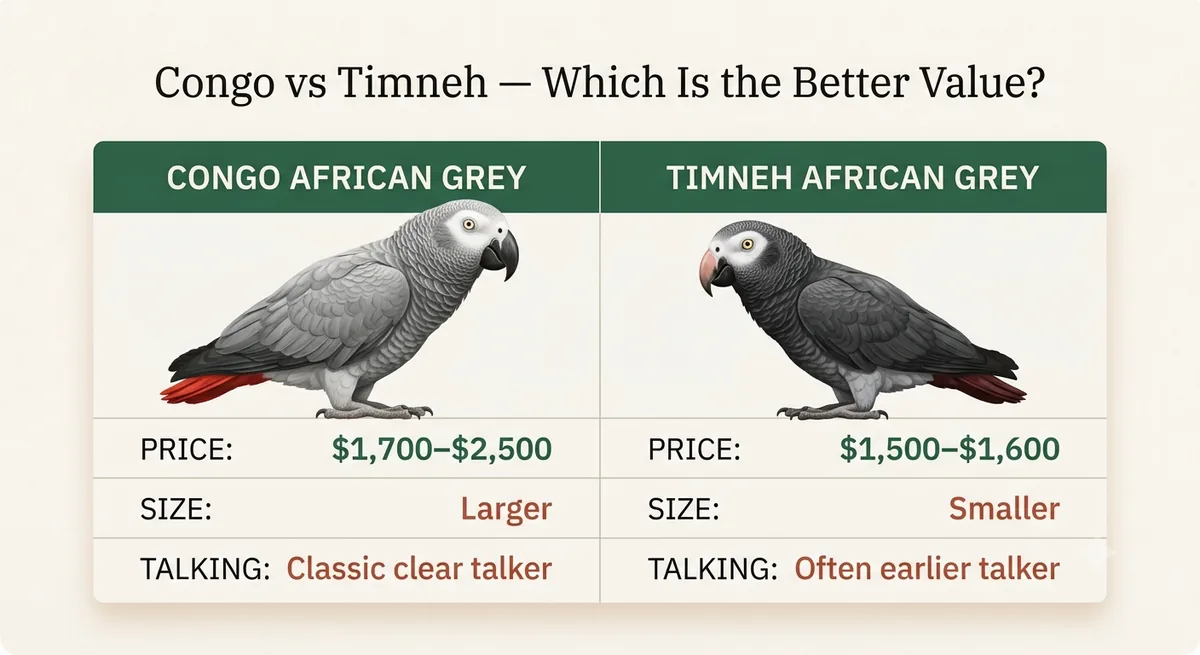
Congo vs Timneh — Which Is the Better Value?
Congo vs Timneh — larger and clearer, or smaller, cheaper and often earlier to talk.
On pure value the Timneh wins on price and tends to settle and start talking a little sooner; the Congo costs a touch more for its size and famously clear speech. But the gap is modest and the documentation is identical, so the better value is simply the bird whose temperament fits your home — not the cheaper line on a spec sheet.
What Should You Budget for an African Grey?
You want a hand-raised baby that bonds and talks early
Budget $2,300–$2,500 for a Congo baby, plus roughly $1,000 of first-year setup. You're paying for months of hand-feeding and daily socialising — the work that turns a chick into a confident, tame talker.
You're experienced and open to an adult
A tame adult Congo runs about $1,700. You skip the baby premium and get an established personality — just insist on the same PCR DNA, CITES and avian-vet paperwork a baby comes with.
You want a real Grey but you're cost-conscious
A Timneh ($1,500–$1,600) is the value pick — a little smaller, often an earlier talker, every bit a true African Grey, and fully documented.
You've found one well under $1,500
Stop. A price that low almost always means no papers, an unweaned or sick bird, or an outright scam. Run the 5-minute seller check before you send a cent.
What Do You Get From a Breeder Who Prices Honestly?
You get a price with nothing hidden behind it. Here at C.A.Gs every Grey is hand-raised in Midland, Texas and sold at one fair, fixed figure that already includes PCR DNA sexing, an avian-vet certificate and CITES Appendix I paperwork — captive-bred in the USA, weaned, socialised, and backed by lifetime support and a written health guarantee.
Which of Our Greys Are Available Now?
Each bird below is priced exactly as described — no "extras," no surprises. PCR DNA-sexed, vet-checked, CITES-documented and ready to reserve with a $200 deposit:
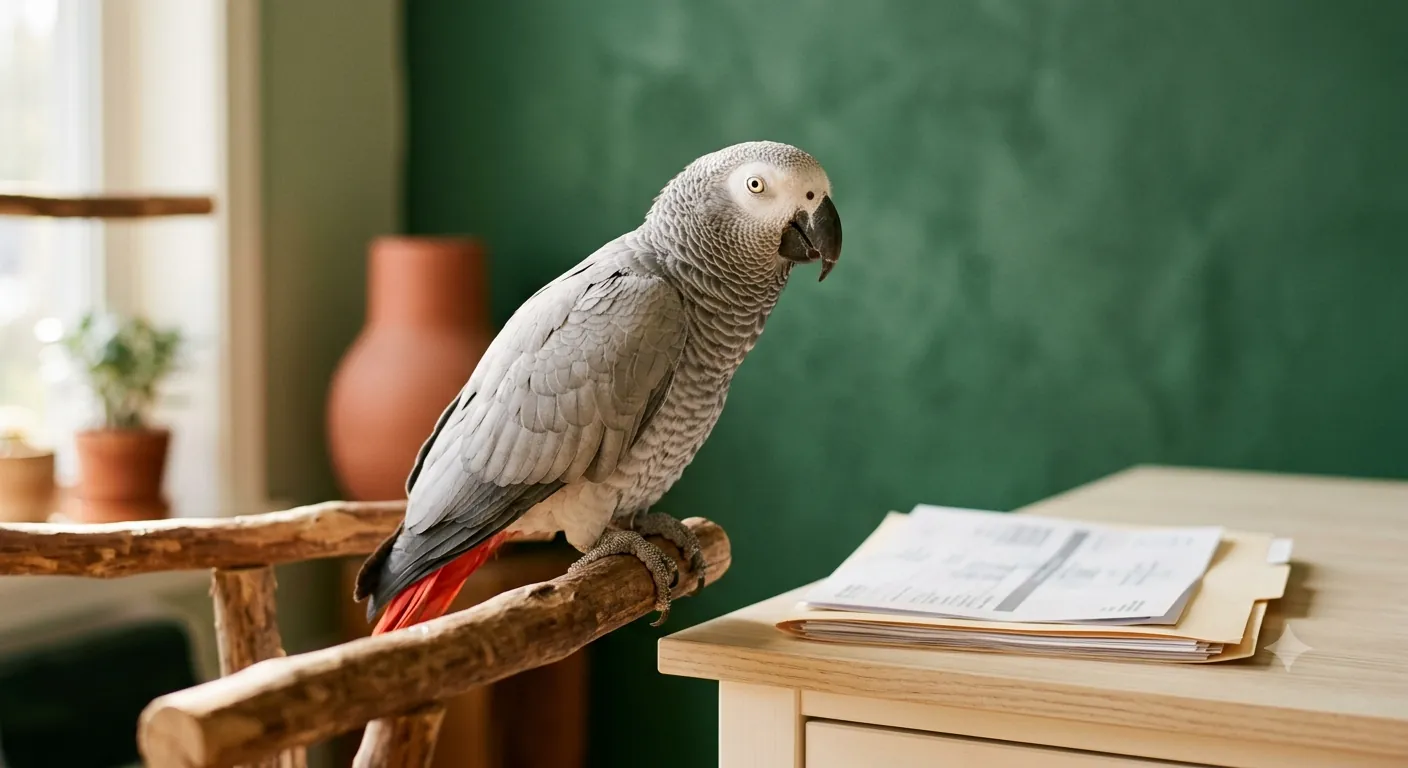
New Arrival Midland, TX
Amie
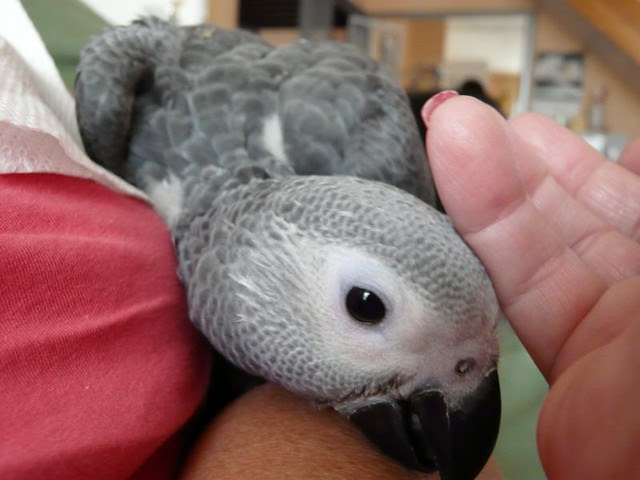
Female · 3 mo · Congo African Grey
"Hand-raised, fully documented, ready to reserve."
Premium hand-raised female, 3 months old. PCR DNA-sexed, vet-checked, CITES-documented — the full $2,500 inclusion list.
— Written by Mark & Teri Benjamin, the breeders behind C.A.Gs · USDA-licensed African Grey aviary, Midland, TX
African Grey Price: Frequently Asked Questions
Why are African Greys so expensive?
Because the price reflects months of hand-feeding, daily socialising, PCR DNA sexing, an avian-vet health check and CITES Appendix I documentation — not just a bird. African Greys are slow to breed and labour-intensive to raise well, and the figure you pay a real breeder buys a healthy, tame, fully papered companion rather than a gamble. The cheap ones look like a bargain right up until the vet bill or the missing paperwork arrives.
How much is a baby African Grey?
A hand-raised Congo African Grey baby (3–6 months) from us runs $2,300–$2,500. That's the upper end of our range on purpose: a weaned, socialised baby is the most labour to produce and the easiest bird to bond with and train. A tame adult Congo sits lower at about $1,700, and a Timneh runs $1,500–$1,600.
Is a cheap African Grey a scam?
Very often, yes. A Grey priced well under $1,500 usually means one of three things: no real paperwork (no CITES, no DNA, no vet certificate), an unweaned or unwell bird, or a pure advance-fee scam where the bird doesn't exist at all. A legitimate, documented, hand-raised African Grey simply costs more to produce than that, so an unusually low price is a warning, not a win.
What's included when you buy from C.A.Gs?
Every Grey ships with a PCR DNA-sexing certificate, an avian-vet health certificate, CITES Appendix I captive-bred documentation, a hatch certificate and closed band, a 3-day written health guarantee, and lifetime breeder support — all in the price, never an add-on. The bird is weaned, hand-socialised and captive-bred in the USA.
Congo vs Timneh — which is better value?
Both are true African Greys and both talk beautifully. A Timneh ($1,500–$1,600) is the value pick — a little smaller, often an earlier talker, and calmer settling into a new home. A Congo ($1,700–$2,500) is larger with the classic red tail and tends toward clearer pronunciation. Choose on temperament and household fit; the price gap is modest and either is documented identically.
Are African Greys worth the money?
For the right owner, yes — but go in clear-eyed. You're buying a 40–60 year relationship with one of the most intelligent companion animals on earth, not a low-maintenance pet. Factor the lifetime cost honestly, and an African Grey is worth every dollar; underestimate the commitment and no price is low enough.
How much does an African Grey cost per year?
Plan on roughly $400–$1,100 a year after the first: pelleted food and fresh produce ($200–$400), an avian-vet wellness check ($75–$200), toy and enrichment replacement ($100–$250), and a buffer for the unexpected vet bill ($0–$500). The first year runs higher once you add the cage and setup.
Can I pay a deposit to hold a bird?
Yes. A $200 deposit reserves a specific bird, and the balance is settled before it travels. We confirm the payment method during reservation, send updates while the bird finishes weaning, and ship nationwide — $185 to your nearest airport or $350 home delivery, on IATA-compliant Delta, United or American flights.
New hand-raised clutches and honest pricing before they're listed — socialised families first.


 New Arrival Midland, TX