Health Guide · Symptoms & When to Call a Vet · Midland, TX
10 Common African Grey Health Problems (Symptoms, Causes & When to Call a Vet)
African Greys hide illness until it's serious. Here are the 10 problems we see most, the early warning signs, and a clear rule for when to monitor at home versus call an avian vet now.
Written by Mark & Teri Benjamin · C.A.Gs African Grey breeders, Midland TX · USDA-licensed since 2014
Good health starts with a known-healthy, well-cared-for bird.
PCR
Disease-screened
Vet
Checked before travel
USDA
Licensed since 2014
Lifetime
Breeder support
Want a health-tested African Grey to start with?
Ask us anything about African Grey health, or about our vet-checked, disease-screened birds available now — no pressure.
✓ USDA AWA Licensed✓ CITES Appendix I✓ DNA Sexed✓ Avian Vet Certified✓ Ships Nationwide
On This Page
Watch for these first
Warning Signs Your African Grey May Be Sick
African Greys hide illness as a survival instinct, so by the time signs are obvious a bird is often already unwell. The earliest, most reliable warning signs are a drop in appetite, fluffed feathers, unusual sleepiness, quieter-than-normal behaviour, and any change in droppings or breathing. Any of these warrants a call to your avian vet — sooner rather than later.
AppetiteEating less / not at all
PostureFluffed up, sitting low
BreathingTail-bobbing, open beak
DroppingsColour / consistency change
EnergySleeping far more than usual
FeathersPlucking or poor condition
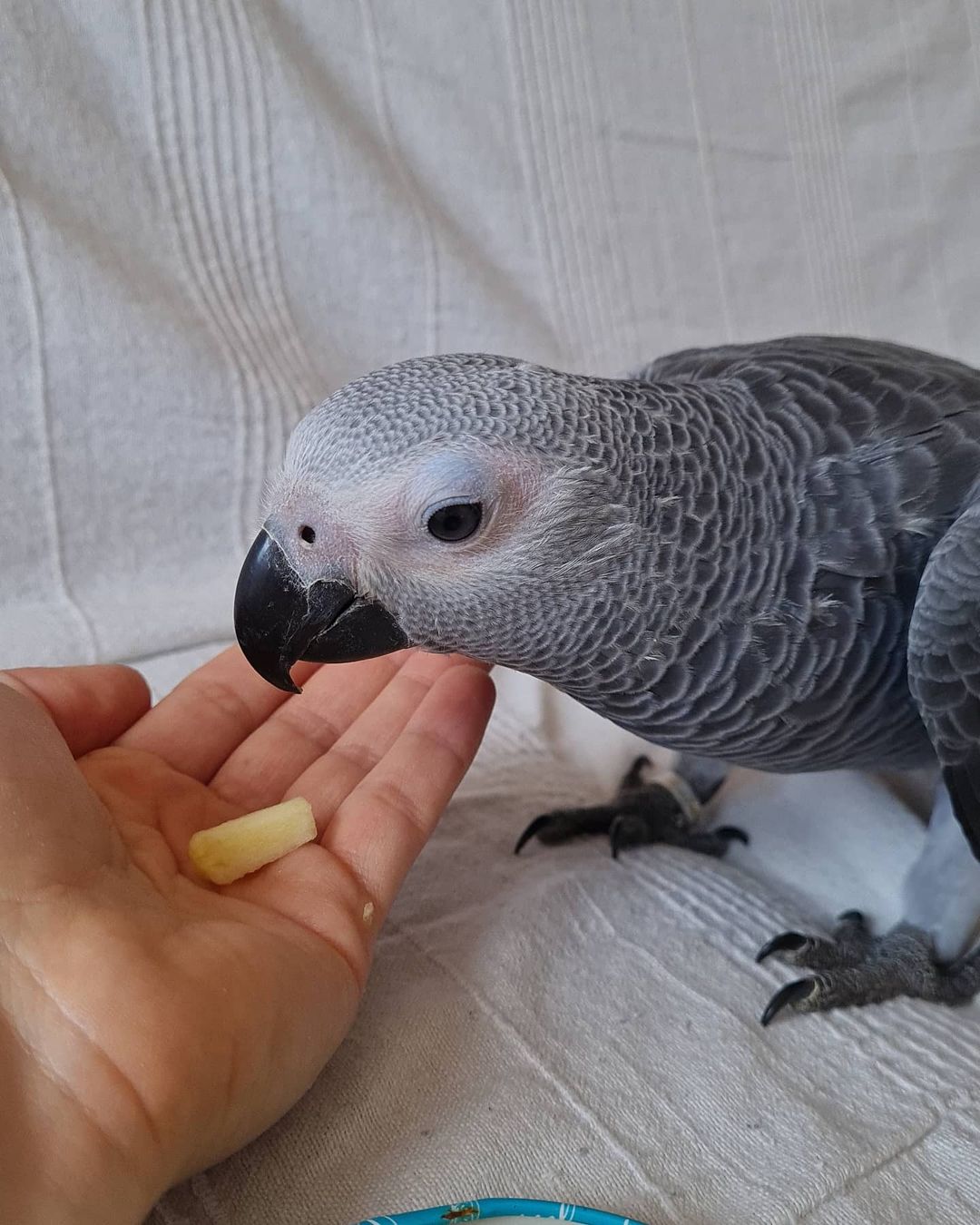
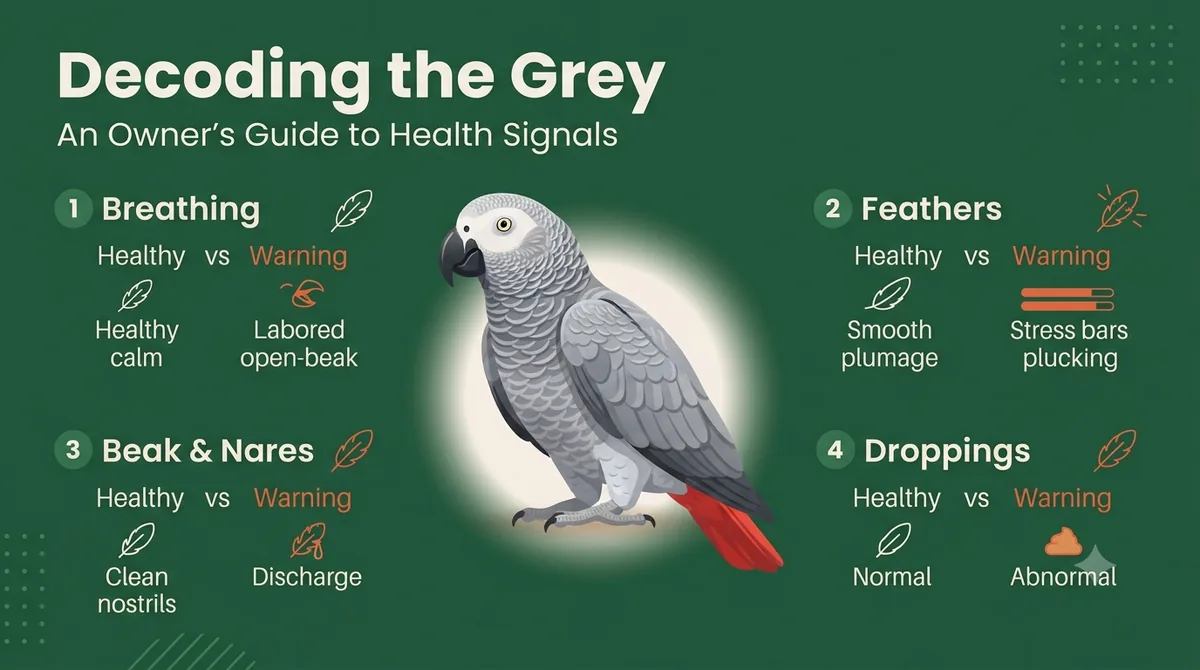
Decoding the Grey — the healthy-versus-warning read on breathing, feathers, beak and droppings.
Why African Greys Face Unique Health Risks
African Greys aren't more fragile than other parrots, but they do carry a couple of species-specific tendencies worth understanding before you interpret any symptom. Knowing these makes you far quicker to spot trouble.
The Calcium Sensitivity No Other Parrot Shares
More than any other companion parrot, African Greys ↗ are prone to hypocalcemia — low blood calcium. It's the single most important reason a Grey's diet and lighting have to be right from the start, and why "weakness" or "tremors" in a Grey should always put calcium near the top of your suspect list.
Why a Grey Hides Illness Until It's Serious
Like all prey animals, parrots mask weakness so they don't look like an easy target — and Greys are especially good at it. That instinct is why subtle changes matter so much: a slightly quieter, slightly less hungry Grey may be further along than it appears, so early action beats waiting every time.
The 10 Most Common African Grey Health Problems
Here are the ten we see and hear about most, each with its typical symptoms, causes and the action to take. Use the symptom checker below to move from "something's off" to "how urgent is this" — then let an avian vet make the actual diagnosis.
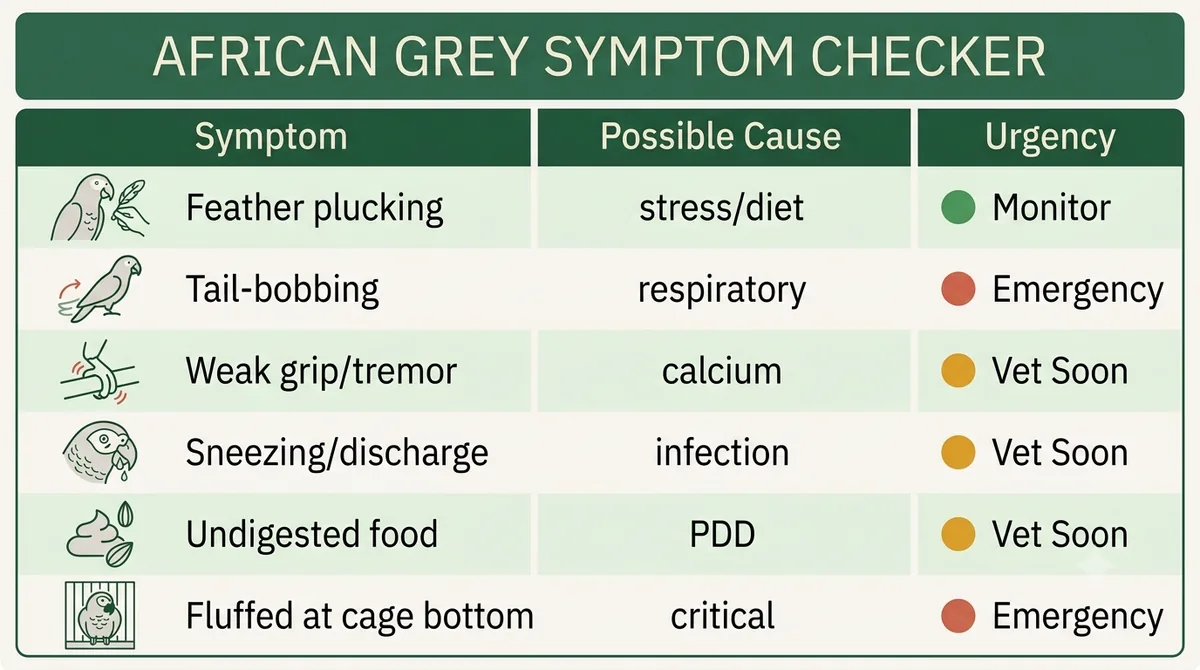
The symptom checker — match a sign to its likely cause and urgency, then call your vet.
Symptom
Possible cause
Urgency
Feather plucking / chewing
Stress, boredom, diet, skin or hormonal issue
Vet soon
Tail-bobbing / laboured breathing
Respiratory infection or aspergillosis
Emergency
Weak grip, tremors, unsteadiness
Hypocalcemia (low calcium)
Emergency
Sneezing, eye or nasal discharge
Irritant or infection (e.g. psittacosis)
Vet soon
Undigested food in droppings
PDD / digestive-nerve disease
Vet soon
Fluffed and sitting at the cage bottom
Critically ill — a bird this sick is an emergency
Emergency
Breeder verdict: Use this to judge urgency, not to self-diagnose. Anything marked 'Emergency' means contact an avian or emergency-exotics vet now; 'Vet soon' means book within a day or two.
1. Hypocalcemia (Calcium Deficiency)
The signature African Grey health problem. Low blood calcium causes weakness and, untreated, seizures — and it's largely preventable with correct diet and lighting.
Symptoms of Hypocalcemia
Watch for muscle weakness, a poor or trembling grip, unsteadiness or falling off the perch, and in severe cases seizures. Because these escalate quickly, calcium problems sit high on the urgency scale.
Early signs vs. emergency signs
Early: a bird that seems a little clumsy, grips less firmly, or tires fast. Emergency: tremors, collapse or seizures — a bird actively seizing needs an avian or emergency vet immediately, not in the morning.
Breeder note: the subtle change we tell new owners to watch for
The first thing we ask owners to watch isn't dramatic — it's grip. A Grey that starts gripping your finger a little less confidently, or slips on a perch it used to own, is worth a calcium conversation with your vet before anything worse appears.
Causes and Prevention
The usual cause is a seed-heavy diet plus no UV-B light, which leaves the bird short on the vitamin D3 needed to absorb calcium. Prevention is a quality pelleted base, calcium-rich leafy greens, and UV-B lighting — with any supplement used only under avian-vet guidance, since too much calcium is also harmful. Our cage-setup guide covers safe lighting placement.
2. Feather-Destructive Behavior (Plucking)
The most visible and distressing problem owners face — and one of the most misunderstood. It is never normal grooming.
Behavioral vs. Medical Causes
Behavioural causes include boredom, too little interaction, and stress; medical causes include skin infection, allergy, parasites, hormonal changes, liver disease and nutritional deficiency. Because the two overlap, plucking always warrants a vet exam to rule out disease before it's treated as purely behavioural.
Why plucking is never "just grooming"
Normal preening tidies feathers; plucking removes or destroys them, leaving bald patches or damaged shafts. A Grey doing that is telling you something is wrong — physically, emotionally or both — and the sooner the cause is found, the better the outcome.
Breeder note: what we check first when a Grey starts plucking
Before assuming a behaviour problem, we look at the basics that quietly cause it: hours of real interaction per day, diet quality, sleep (a solid 10–12 hours of dark), and any recent change in the home. Fixing those, alongside a vet check, resolves more plucking than any single "cure."
3. Psittacosis (Chlamydiosis)
A bacterial infection caused by Chlamydia psittaci — the CDC-tracked disease psittacosis ↗ — with signs including nasal or eye discharge, lethargy, lime-green droppings and weight loss. It's treatable by an avian vet, usually with a course of doxycycline.
Why It Matters to You Too (Zoonotic)
Psittacosis is zoonotic — it can infect people, causing flu-like respiratory illness — which is exactly why testing and sourcing matter. If you keep birds and develop respiratory symptoms, tell your doctor you have parrots.
Testing every new bird
Every newly acquired Grey should be tested, and ideally quarantined from other birds until cleared. Sourcing from a breeder who health-screens reduces the odds you ever meet this one.
Citation: avian-vet guidance on psittacosis
For clinical detail, the Association of Avian Veterinarians ↗ and your avian vet are the authorities — psittacosis is well understood and manageable when caught and treated properly.
4. Aspergillosis (Respiratory Fungal Infection)
A fungal infection of the respiratory tract from Aspergillus mould spores, often linked to damp substrate, mouldy food or poor ventilation. Signs include laboured breathing, tail-bobbing, voice changes and lethargy — any breathing difficulty is an emergency. Prevention is a dry, clean, well-ventilated (not draughty) environment and never feeding mouldy produce.
5. Proventricular Dilatation Disease (PDD)
A serious disease linked to avian bornavirus that affects the nerves controlling digestion. The hallmark sign is passing undigested food and losing weight despite eating normally. There's no cure, only veterinary management, so early diagnosis and sourcing from tested stock matter.
6. Beak & Feather Disease (PBFD)
Caused by a psittacine circovirus, PBFD ↗ damages feathers and beak and suppresses the immune system, leaving birds prone to secondary infections. It's contagious via feather dust and droppings, which is why every C.A.Gs Grey is PCR-tested for it — screening new birds before contact with a flock is the key safeguard.
7. Vitamin A Deficiency
Common in seed-heavy diets, vitamin A deficiency shows up as poor feather quality, mouth or sinus issues and greater infection risk. It's prevented the same way as most Grey nutrition problems — a formulated pellet base plus vitamin-A-rich vegetables like sweet potato, carrot and dark leafy greens.
8. Obesity & Fatty Liver Disease
Too many seeds and nuts and too little exercise lead to obesity and, over time, fatty liver disease (hepatic lipidosis). Signs can be subtle — reduced stamina, poor feather condition — so prevention through diet and daily out-of-cage activity is far easier than treatment.
9. Heavy-Metal (Zinc / Lead) Toxicity
Chewing galvanised wire, cheap cage hardware or certain toy parts can cause zinc or lead poisoning — an emergency. Signs include weakness, vomiting, bloody droppings and seizures; treatment is time-sensitive chelation therapy at the vet. Prevention is stainless-steel caging and verified bird-safe toys only.
10. Respiratory Infections & Air-Sac Disease
Birds have a complex air-sac system, so respiratory infections can spread and worsen fast. Sneezing, discharge, wheezing, tail-bobbing or open-beak breathing all point here — mild signs mean vet soon, any real breathing difficulty means emergency. Clean air (no smoke, aerosols or non-stick fumes) is the best prevention.
Myth
A little feather plucking is just an African Grey grooming or a harmless habit.
Fact
Plucking is never normal grooming. It's a reliable sign of an underlying problem — medical, nutritional, environmental or emotional — and it tends to worsen the longer the cause goes unaddressed. Treat the first bald patch as a reason to book an avian-vet exam, not something to wait out.
When Should You Call an Avian Vet Immediately?
Not every symptom is an emergency, but a few always are. Use this simple three-tier rule to decide how fast to act — and when in doubt with a bird, act sooner, because they decline quickly.
Monitor
Note it, watch closely, and improve the underlying factor (diet, enrichment, cleanliness). If it doesn't resolve in 24–48 hours, escalate to your avian vet.
Vet soon
Book an avian-vet appointment within a day or two. Birds hide illness, so 'a bit off' is often further along than it looks — don't wait for it to worsen.
Emergency
Call an avian or emergency-exotics vet now. Laboured breathing, bleeding, collapse, seizures, or a bird fluffed at the cage bottom are life-threatening and time-sensitive.
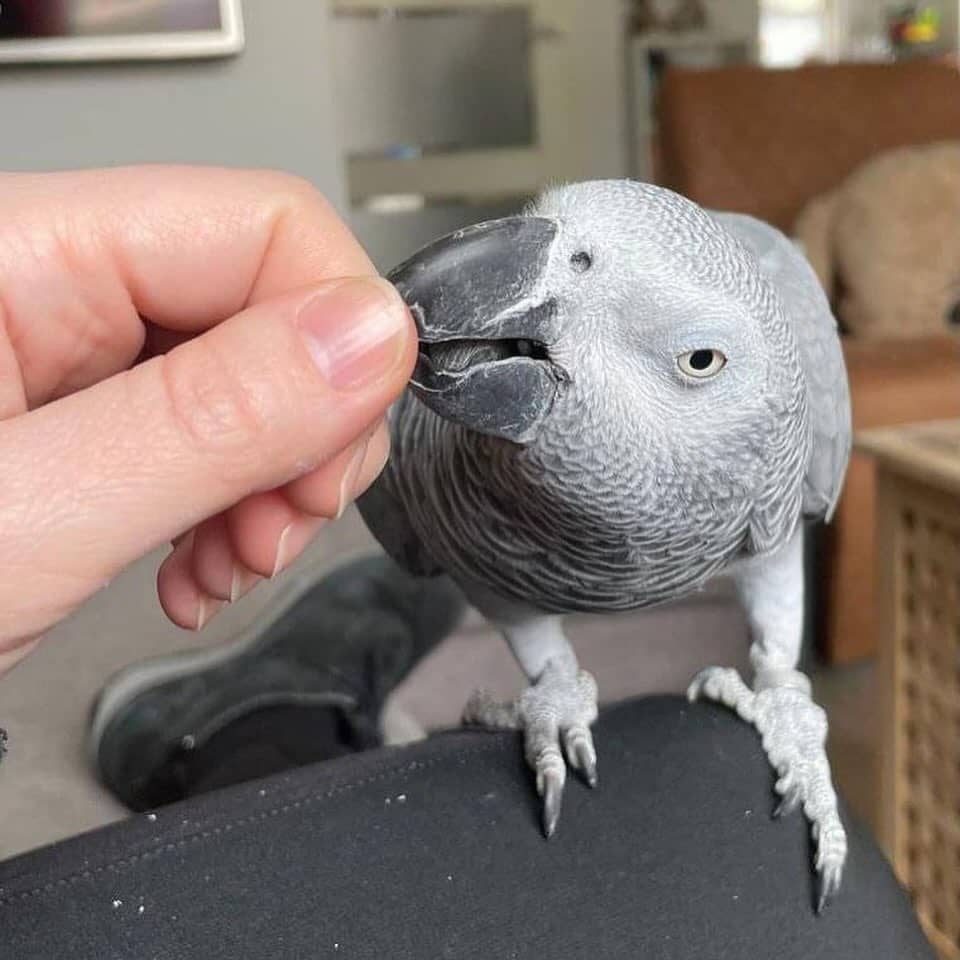
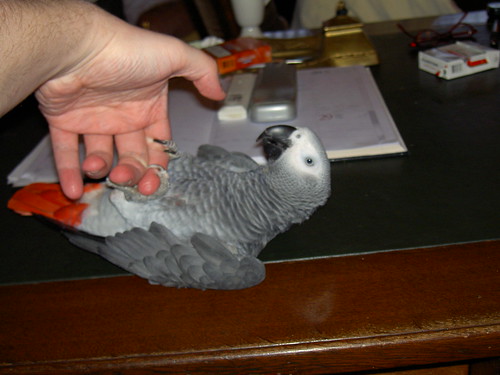
A hands-on check catches trouble while it's still small — know the signs below.
Labored Breathing or Tail-Bobbing
A resting bird whose tail pumps with each breath, or that breathes with an open beak or visible effort, is in respiratory distress. This is a top-tier emergency — call an avian or emergency-exotics vet immediately.
Bleeding or Injury
Active bleeding — from a broken blood feather, a nail, or a wound — needs prompt control and a vet. A small bird has very little blood to spare, so treat any significant bleeding as urgent.
Collapse, Seizures or Sitting at the Cage Bottom
A bird that collapses, seizes, or sits fluffed and unable to perch at the bottom of the cage is critically ill. These are the clearest "go now" signs on this page.
The "Cage-Bottom" Emergency
A perching bird chooses the floor of its cage only when it's too weak to do otherwise. It's one of the most serious signs in aviculture and should never be given a "wait and see."
What to do in the first 10 minutes
Keep the bird warm, quiet and contained; don't force food or water; and phone your avian or nearest emergency-exotics vet on the way, so they're ready when you arrive. Warmth and a fast, calm transport are what you can control.
Citation: AAV on avian emergencies
Having an avian vet identified before a crisis is the advice every authority gives; the Association of Avian Veterinarians ↗ can help you find a qualified one near you. Save the number in your phone today, not during the emergency.
How Do You Prevent African Grey Health Problems?
Most of the problems above share the same handful of preventable roots. Get these four things right and you avoid the large majority of what sends Greys to the vet.
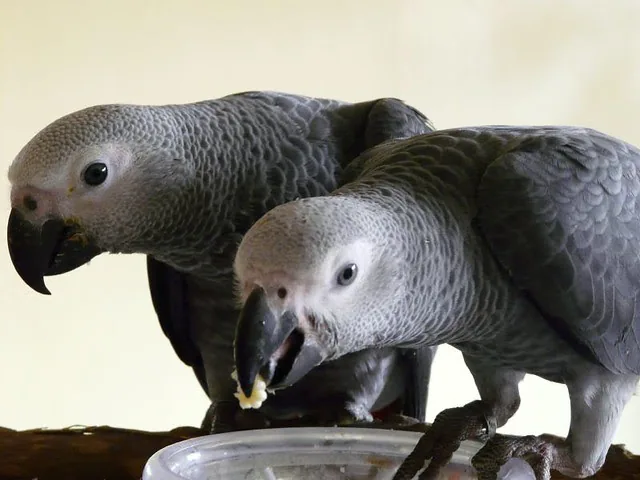
Prevention starts at the source — health-tested, well-raised birds.
Diet and Calcium
A quality formulated pellet as the base, plus fresh vegetables and calcium-rich leafy greens, prevents the deficiencies behind hypocalcemia, vitamin A problems and obesity. A seed-only diet — which the World Parrot Trust ↗ warns against for Greys — is the single most common dietary cause of Grey illness — our price guide factors ongoing quality food into the real cost of ownership.
UV-B Lighting and Vitamin D3
Because Greys need UV-B exposure to make the vitamin D3 that lets them use calcium, proper avian lighting (or safe natural sunlight) is preventive medicine, not a luxury. It's one of the cheapest ways to protect a Grey's long-term health.
A Safe, Clean Environment
A dry, clean, well-ventilated space free of mould, smoke and toxic fumes prevents aspergillosis, respiratory disease and poisoning in one stroke.
Cage Materials and Air Quality
The cage itself is a health decision: the wrong metal or a smoky kitchen can quietly harm a Grey over time.
Why stainless steel and no PTFE/Teflon fumes
Use stainless-steel caging to avoid zinc and lead toxicity, and never run non-stick (PTFE/Teflon) cookware near birds — its fumes are among the household hazards poison-control experts ↗ rank as rapidly fatal to parrots. Keep the air free of smoke, aerosols and scented plug-ins too.
Breeder note: the setup we start every chick on
Our chicks begin life on a pelleted, calcium-aware diet with proper lighting, in a clean stainless-steel environment — so the preventable problems are designed out before a bird ever reaches its new home. That head start is a real part of what "health-tested and well-raised" means.
Mental Stimulation and Routine
Because so much Grey illness is stress- and boredom-driven, daily interaction, foraging and a predictable routine are genuine preventive care — not just enrichment. A mentally satisfied Grey is a physically healthier one.
See Our Health-Tested Hand-Raised African Greys
Good health is far easier to keep than to recover, and it starts at the source. Every African Grey we place is examined by an avian vet, PCR-screened for PBFD and polyomavirus, and sent home with its health documentation — so you begin with a known-healthy, well-raised bird rather than an unknown one.
New Arrival Midland, TX
Amie
Female · 3 mo · Congo African Grey
"Hand-raised, health-tested, ready to reserve."
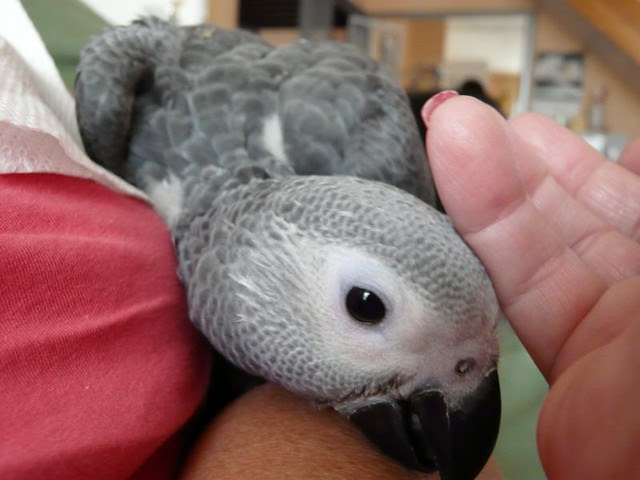
Premium hand-raised female, 3 months old. PCR DNA-sexed, vet-checked and disease-screened, CITES-documented — captive-bred in the USA with the full paper trail.
— Written by Mark & Teri Benjamin, the breeders behind C.A.Gs · USDA-licensed African Grey aviary, Midland, TX. This guide is educational and not a substitute for veterinary care.
African Grey Health Problems: Frequently Asked Questions
What are the most common health problems in African Grey parrots?
The most common African Grey health problems are hypocalcemia (calcium deficiency), feather-destructive behaviour (plucking), psittacosis, aspergillosis, proventricular dilatation disease (PDD), psittacine beak and feather disease (PBFD), vitamin A deficiency, obesity and fatty liver disease, heavy-metal toxicity, and respiratory infections. Several are preventable with correct diet, lighting and a clean environment — but any suspected illness needs an avian vet, because Greys hide sickness until it's serious.
Why is my African Grey plucking its feathers?
Feather plucking is never normal grooming — it always signals an underlying problem. Common causes include boredom or too little daily interaction, nutritional deficiency (especially vitamin A and calcium), skin infection or allergy, hormonal changes, internal parasites, and chronic stress. Because medical and behavioural causes overlap, an avian-vet exam is needed to rule out disease before assuming it's behavioural.
How do I know if my African Grey is sick?
African Greys instinctively hide illness, so watch for subtle early signs: eating less, fluffed feathers for more than a few hours, sleeping far more than usual, quieter than normal, changes in droppings, discharge from eyes or nares, or any change in breathing. Tail-bobbing, open-beak breathing, or a bird sitting fluffed at the bottom of the cage are emergencies — call an avian vet immediately.
Can African Greys make people sick?
One African Grey illness, psittacosis (caused by Chlamydia psittaci), is zoonotic — it can pass to humans and cause flu-like respiratory illness. This is exactly why every new bird should be tested and why sourcing from a reputable, health-screening breeder matters. Good hygiene and prompt avian-vet care keep the risk low; tell your doctor you keep birds if you develop respiratory symptoms.
How often should an African Grey see an avian vet?
At minimum, an annual well-bird exam with a qualified avian vet. A newly acquired bird should be seen within about 72 hours for a baseline check, which may include bloodwork and disease screening. Crucially, find your avian vet before you bring a bird home — not during an emergency, when the nearest bird-treating clinic may be hours away.
Why are African Greys so prone to calcium deficiency?
African Greys are unusually susceptible to hypocalcemia compared with other parrots. Calcium is only usable if the bird also has vitamin D3, which Greys synthesise through UV-B light exposure — so a seed-heavy diet plus no UV-B is a common recipe for deficiency. Signs include weakness, tremors and, in severe cases, seizures. Prevention is a balanced pelleted diet, leafy greens, and UV-B lighting; supplement only under avian-vet guidance.
What is the most urgent African Grey health emergency?
Any breathing difficulty — tail-bobbing, open-beak breathing, wheezing — is a top emergency, as are collapse, seizures, active bleeding, and a bird fluffed and unable to perch at the cage bottom. These are life-threatening and time-sensitive; contact an avian or emergency-exotics vet immediately rather than waiting to 'see how it goes.'
Are C.A.Gs African Greys health-tested before they go home?
Yes. Every C.A.Gs Grey is examined by an avian vet and screened, including PCR testing for PBFD and polyomavirus, before it travels, and goes home with its health documentation. Health testing at the source doesn't replace your own avian-vet relationship, but it means you start from a known-healthy, documented bird rather than an unknown one.
African Grey health tips, prevention checklists and new hand-raised clutches — straight to your inbox.

 New Arrival Midland, TX